
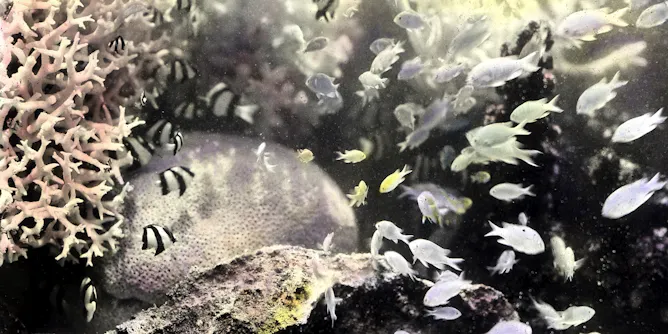
In the days before scuba technology, the celebrated photographer sought to capture the beauty of the reef by placing corals in an aquarium and shooting them. But under stress, they released algae.
Articles on Great Barrier Reef
Displaying 101 - 120 of 310 articles

Corals, mangroves and seagrass habitats have been affected by extreme weather events, and some may never recover.
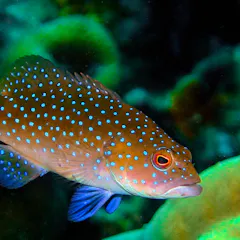
Strictly enforced no-take marine areas benefit everyone, from the fish to fishers.
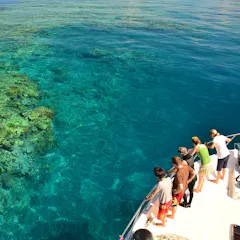
Severe coral bleaching may have been the crucial factor in bringing home the reality of climate change for many people.
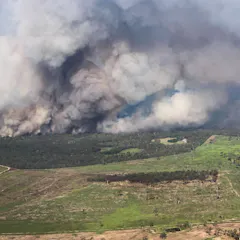
Australia’s environment took a beating in 2018, as temperatures rose, rainfall declined, the health of rivers and ecosystems worsened, and floods, droughts and bushfires all took their toll.
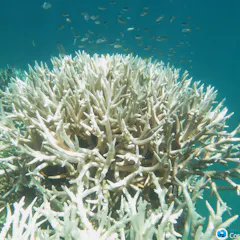
After repeated bleaching in 2016 and 2017 corals on the Great Barrier Reef are producing far fewer offspring.
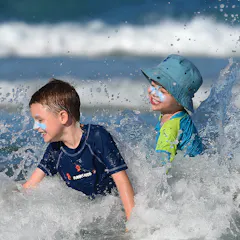
Despite bans around the world, there’s no empirical evidence sunscreens cause coral bleaching.
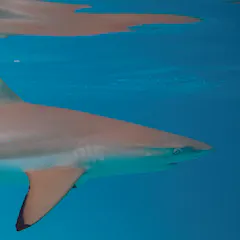
Banning fishing in no-take marine reserves on the Great Barrier Reef does not protect sharks as well as received wisdom would tell you.
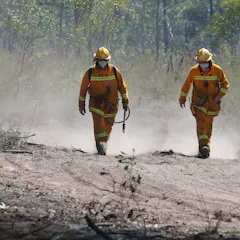
Australia is facing an increase in extreme heat, fire danger weather, floods and marine heatwaves, according to the latest biennial snapshot from the Bureau of Meteorology and CSIRO.
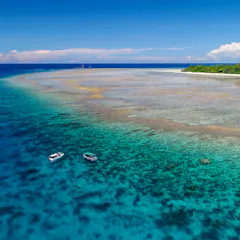
Coral reefs are in trouble, but other marine species are also feeling the strain but are off the conservation radar.
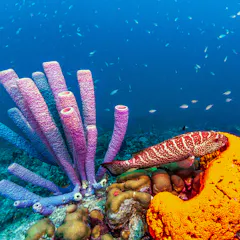
Marine sponges are ancient organisms that have survived mass extinctions. Many are more tolerant of climate change and may dominate over corals in future reef systems.

Federal Labor has pledged to withdraw the A$443 million given to the Great Barrier Reef Foundation. But the foundation’s decisions are led by science, and free of undue influence, its chief scientist says.
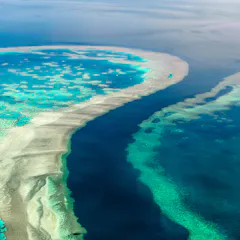
The $444 million awarded to the Great Barrier Reef Foundation has been criticised as a politically calculated move. But governments have been asking what the reef can do for them ever since colonial times.
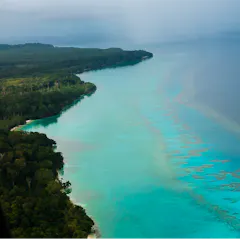
What would you do if you saw a fisher breaking the law? Would you report the offender to the police? Confront them? Or would you do nothing? These choices affect the future of marine protected areas.
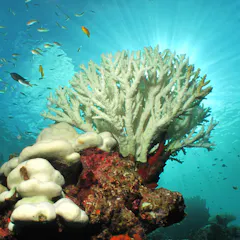
Scientists have used ‘tree rings’ in coral to identify centuries of stress.
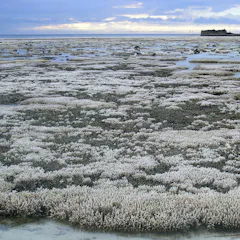
Climate mitigation efforts are unlikely to be enough to save critical ecosystems like the Great Barrier Reef. We may need to consider more radical environmental engineering.
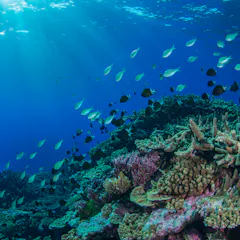
The 2016 heatwave that caused mass bleaching on the Great Barrier Reef didn’t just kill corals - it also significantly changed the makeup of fish communities that call these reefs home.
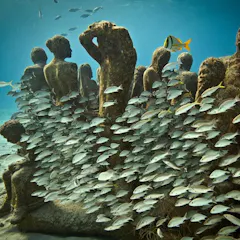
Not everything humans put in the ocean is garbage. From walls of tyres to sunken sculptures, reef restoration is both a science and an art.
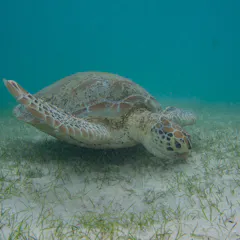
New research highlights the role of sea turtles and dugong in the dispersal of seeds and maintenance of seagrass meadows, an important marine habitat and the primary food source for both animals.
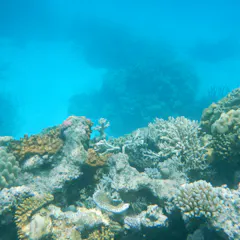
The federal government’s new $500 million funding package for the Great Barrier Reef seems predominantly focused on the tactics that are already being tried, without much success.
Top contributors
-

Adjunct Principal Research Fellow, College of Science and Engineering, James Cook University
-
Professor, School of the Environment, The University of Queensland
-
Distinguished Professor, James Cook University
-
Professorial Fellow, ARC Centre of Excellence for Coral Reef Studies, James Cook University
-
Professorial Fellow, University of Canberra
-
UNESCO Chair on Climate Change Variability of Natural and Cultural Heritage and Professor in Physics, James Cook University
-
Associate professor, James Cook University
-
Professor, Conservation Planning, ARC Centre of Excellence for Coral Reef Studies, James Cook University
-
Honorary Fellow in Economics, The University of Queensland
-
Research Program Director, Australian Institute of Marine Science
-
ARC Future Fellow and Associate Professor in Climate Science, ARC Centre of Excellence for 21st Century Weather, The University of Melbourne
-
Adjunct Associate Professor in Marine Science, James Cook University
-
Professor of Marine Biology, James Cook University
-
Adjunct Professorial Research Fellow, Partner Investigator, ARC Centre of Excellence for Coral Reef Studies, James Cook University
-
ARC Laureate Professor, The University of Melbourne and James Cook University, The University of Melbourne