

Despite the fact that rare diseases aren’t actually so rare, it appears they suffer from a branding problem in Canada.
Articles on Genomics
Displaying 141 - 160 of 220 articles
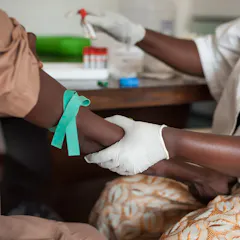
Gene sequences can be manipulated to prevent certain diseases and improve public health.
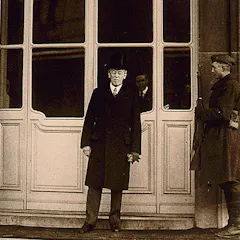
While negotiating the end of the First World War at the Versailles Peace Conference, U.S. President Woodrow Wilson collapsed. Was it a neurological disorder associated with the Spanish Flu?

Police have powerful new genetic tools. How are we going to regulate their use? A Genetic Data Protection Act is one solution to ensure confidence in the way DNA is accessed and used.
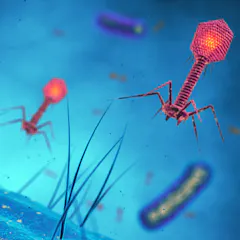
Gene editing through CRISPR may have greater consequences than climate change or unleashing the energy of the atom.

A unique model of journalism based on academic research and fact-based analysis is now being published in both of Canada’s official languages

Chinese researcher, Jainkui He claims to have created the world’s first genome-edited twins. Such action would pose unknown risks to the lives of these children and to humanity as a whole.

The US went crazy for Seabiscuit when he won his famous 1938 match race against War Admiral. Now researchers are investigating the thoroughbred’s DNA to see what made him such an unlikely success.
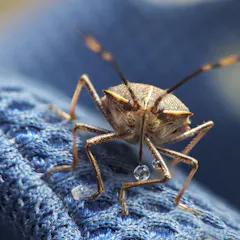
With the onset of cooler temperatures and shorter days, some insects pack-up and migrate to warmer climates. Others, including stink bugs, take up residence in our homes.

New genetic knowledge about cane toads could give us the knowledge we need to throw some more roadblocks in front of this persistent invader as it marches across Australia.
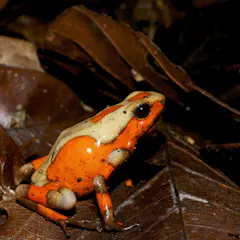
With their jewel-like colours, Colombia’s poison frogs are coveted by collectors. Does naming their species help protect them or make them a target for trophy hunters?

There are many reasons why scientists collaborating with artists makes sense, now more than ever.

By sequencing the genomes of other species, we can better understand our place in natural history.
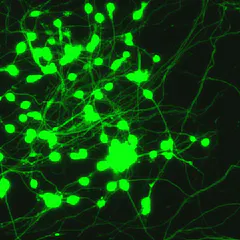
Figuring out what causes diseases like autism, schizophrenia and depression is tricky. Now Stanford University researchers are turning blood into brain cells to study these diseases in a dish.

Recent discoveries of ancient viruses are helping scientists understand their origins.
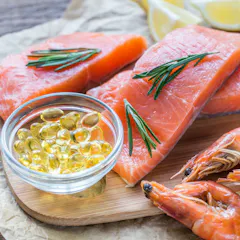
A new study shows that most young adults know about the connection between omega-3 fats and brain and heart health. Despite this, only two out of five reported buying or eating omega-3 foods.

A public genealogy data base was used to track down the so-called “Golden State Killer,” raising concerns about the privacy of using public sites to fill out our family trees.

When you send off a cheek swab to one of the private genome companies, you may sacrifice not just your own privacy but that of your family and your ancestors.

A health and human rights researcher, therapist and professor explains why racial justice is a public health issue.

Canada’s female scientists are superstars in their fields yet most Canadians have never heard of them. On International Day for Women in Science, it’s time to give them the recognition they deserve.
Top contributors
-

Distinguished Research Professor, Emerita, Dalhousie University
-
Emeritus Robert Reford Professor and Professor of Medicine, McGill University
-
Lecturer, University of Cambridge; Anglia Ruskin University
-
Professor in Molecular Archaeology, Department of Archaeology and Classical Studies, Stockholm University
-
Executive Director, Melbourne Genomics Health Alliance
-
Group Leader, Genomics and Bioinformatics, Australian Centre for Ancient DNA, Adelaide University
-
Professor of English, York University, Canada
-
Professor, Chemistry and Biochemistry, Laurentian University
-
Vanier Scholar and Ph.D. Candidate in Microbiology and Immunology, Dalhousie University
-
Distinguished Research Professor, Dalhousie University
-
Assistant Professor/Canada Research Chair in emerging viruses, University of Manitoba
-
Honorary Fellow, Department of Pathology, The University of Melbourne
-
Associate Professor and Canada Research Chair, Department of Chemistry and Biochemistry, University of Lethbridge
-
Junior Fellow, MacEachen Institute for Public Policy and Governance; Medical Student, Dalhousie University
-
Associate Professor | Director, DNA Zoo Australia, The University of Western Australia