
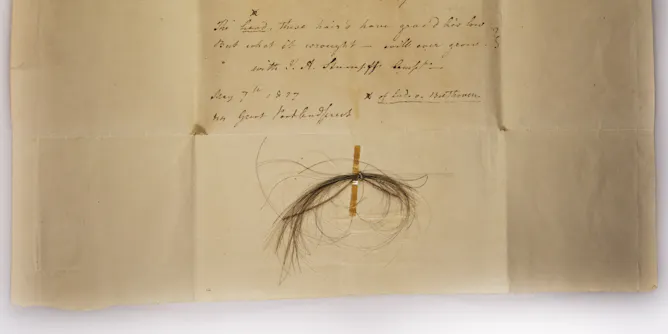
Beethoven was afflicted with health conditions for much of his adult life, and wished for their cause to be discovered and made public.
Articles on Genomics
Displaying 61 - 80 of 220 articles

45,000 years ago, people first started arriving in what’s known as Europe today. We thought a worsening ice age made them disappear – but it seems some lineages survived.
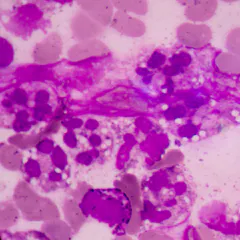
The new M1UK strain of strep A has a dangerous ability to make the disease trigger more toxin release in the body.
DNA analysis reveals a large migration of people into Scandinavia during Viking times.
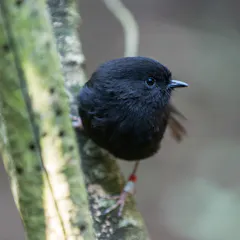
Inbreeding usually leads to an accumulation of genetic defects, but evolution on a small archipelago may have helped the severely inbred Chatham Island black robin to avoid this fate.
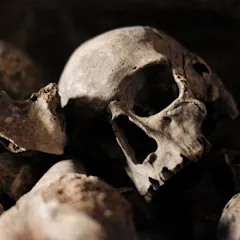
New genetic research shows humans’ famed ability to adapt our behaviour and develop new tools and techniques has not always been enough to survive when times have grown tough.
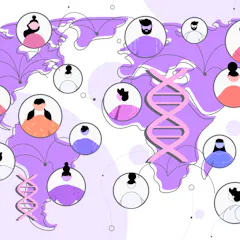
Existing genetic data and sequencing tools are overwhelmingly based on people of European ancestry, which excludes much of the rich genetic variation of the world.
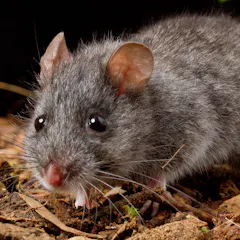
The smoky mouse was already fighting extinction when a devastating bushfire season decimated 90% of its habitat. Thankfully, all is not lost.
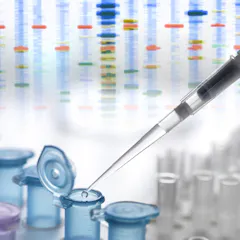
A new study hopes to produce a catalogue of human genetic variation and assess the burden of noncommunicable diseases in 100,000 adults in Nigeria.

From discovering hidden populations of vulnerable newts to dropping “seed bombs”, two new research papers show how genomics and drones help restore threatened ecosystems.
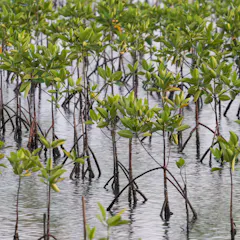
The African BioGenome Project is a pan-African project that seeks to sequence Africa’s endemic and indigenous plants and animals.

Advances in technology have enabled researchers to sequence the large regions of repetitive DNA that eluded the Human Genome Project.
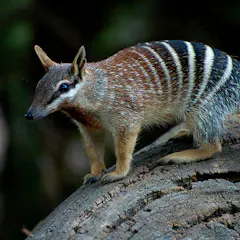
The numbat is one of the Tasmanian tiger’s closest surviving relatives. And its newly sequenced genome raises the possibility of piecing together the genetic code of its extinct fellow marsupial.

Record-breaking technology can sequence an entire human genome in a matter of hours. The work could be a lifeline for people suffering from the more than 5,000 known rare genetic diseases.
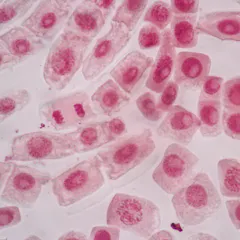
The monumental Earth Biogenome Project has galvanised hundreds of geneticists and bioinformaticists from all over the world.

Researchers have sequenced the genome of the waratah, using a plant that was burned in the Black Summer fires but has since resprouted, offering an emblem of hope for future conservation.
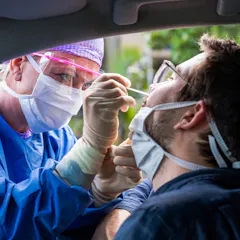
Revolutions in genome sequencing have been used to track COVID-19 in near real time.
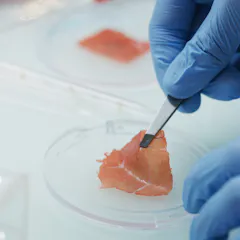
Technological advancements in food production have created new ways to meet the growing demand for protein. Canada’s investment in this industry may create jobs and reduce carbon emissions.
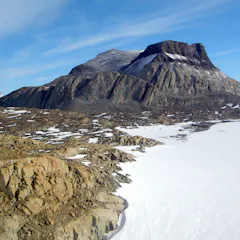
A billion-year-old ‘hydrogen economy’ in the frozen soil of Antarctica provides bacteria with energy, water, and the carbon that makes up their bodies.
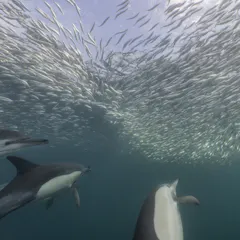
Sardines from the cold waters off South Africa’s Atlantic coast are attracted to cold water upwelling in the Indian Ocean. When the upwelling ends, they are trapped in water that is too warm for them.
Top contributors
-

Distinguished Research Professor, Emerita, Dalhousie University
-
Emeritus Robert Reford Professor and Professor of Medicine, McGill University
-
Lecturer, University of Cambridge; Anglia Ruskin University
-
Professor in Molecular Archaeology, Department of Archaeology and Classical Studies, Stockholm University
-
Executive Director, Melbourne Genomics Health Alliance
-
Group Leader, Genomics and Bioinformatics, Australian Centre for Ancient DNA, Adelaide University
-
Professor of English, York University, Canada
-
Professor, Chemistry and Biochemistry, Laurentian University
-
Vanier Scholar and Ph.D. Candidate in Microbiology and Immunology, Dalhousie University
-
Distinguished Research Professor, Dalhousie University
-
Assistant Professor/Canada Research Chair in emerging viruses, University of Manitoba
-
Honorary Fellow, Department of Pathology, The University of Melbourne
-
Associate Professor and Canada Research Chair, Department of Chemistry and Biochemistry, University of Lethbridge
-
Junior Fellow, MacEachen Institute for Public Policy and Governance; Medical Student, Dalhousie University
-
Associate Professor | Director, DNA Zoo Australia, The University of Western Australia