

Are new approaches to recreating long-lost animals simply creating imitations?
Articles on Genome editing
Displaying 1 - 20 of 24 articles

Altering the human genome could help astronauts survive the harsh radiation and effects of weightlessness.
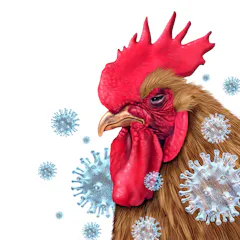
The three flu pandemics of the 20th century originated from birds, making it critical to fight bird flu. Breakthroughs in gene-editing chickens show promise for eliminating the disease in the future.
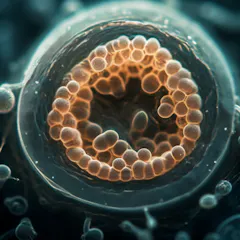
Scientists can create viable eggs from two male mice. In the wake of CRISPR controversies and restrictive abortion laws, two experts start a dialogue on ethical research in reproductive biology.
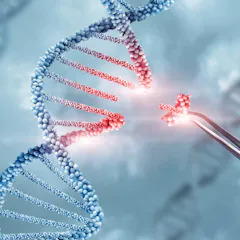
Chemist David Liu explains how gene editing is paving the way to treating and even curing certain genetic diseases.
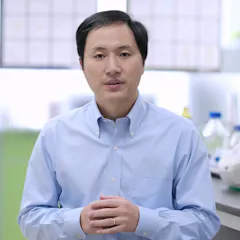
Scientific and public uproar resulted when the Chinese scientist announced the births of the first human babies with heritable edits to their genes. A new documentary reexamines the saga.
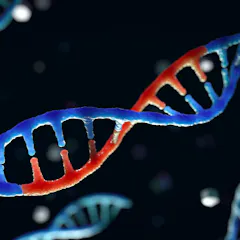
Potential benefits of human genome editing include new ways to diagnose, treat and prevent genetic disorders. But there’s a significant gap in regulation.
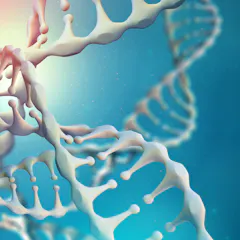
Scientists have been eager to edit genomes to eliminate certain diseases. New WHO reports outlines ethical approaches to research and treatment.

There are signs that UK will be bolder and less accountable in its genetic defence research than many other countries.
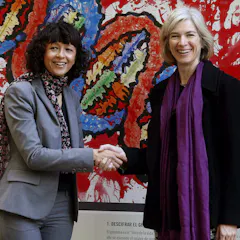
Jennifer Doudna and Emmanuelle Charpentier have been awarded the Nobel prize in Chemistry for their revolutionary work on ‘gene scissors’ that can edit DNA.
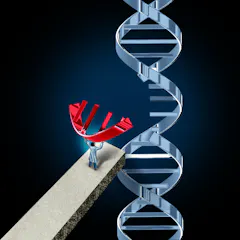
Most scientific discoveries these days aren’t easily ascribed to a single researcher. CRISPR is no different – and ongoing patent fights underscore how messy research can be.
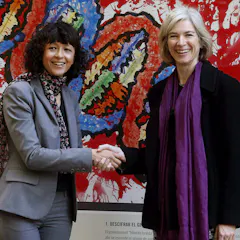
Emmanuelle Charpentier and Jennifer Doudna share the Nobel prize for chemistry for their CRISPR/Cas9 tool to rewrite the blueprint of life.

Our approach to controversial technologies shouldn’t be guided by scientists alone, nor by peddlers of misinformation on social media. A citizens’ assembly could walk the line between the two.
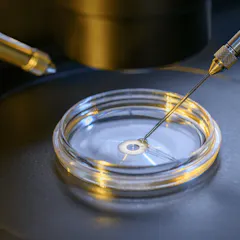
As more choices become theoretically available to prospective parents, it’s important to understand their rights.

Nearly 20 years ago, Bill Clinton said that sequencing the human genome would give us a “new power to heal”.
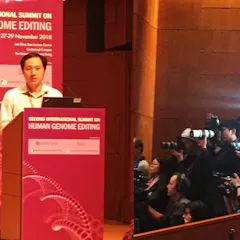
The world seemed to be inching forward with CRISPR gene editing technology – but suddenly the forbidden fruit has been plucked, and some even worry that the CRISPR tree has been cut down.
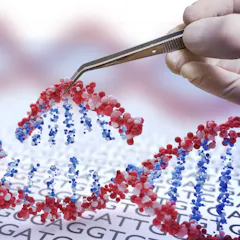
A Chinese scientist claims to have edited human DNA to make us more resistant to HIV. Here’s why that’s not good news.
Academics from different disciplines come Head to Head in this series to tackle topical debates.

A bit of advice for any criminals inspired to try and edit their own genes – it’s unlikely to work, and it may present health risks.
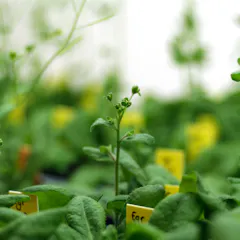
Inserting a random DNA mishmash into a plant or bacterium directs it to make a novel protein. Sifting through the resulting molecules, researchers may find ones have medical or agricultural uses.
Top contributors
-

Professor of Reproductive Science, UCL
-
Lecturer in Reproductive and Molecular Genetics, UCL
-
Professor in Medicine, Ethics and Society, University of Warwick
-
Professor of Molecular Genetics and Microbiology, University of Florida
-
Ph.D. Candidate in Chemical Biology, Harvard University
-
Professor of Horticultural Sciences and Plant Molecular and Cellular Biology, University of Florida
-
Research fellow, The University of Queensland
-
Lecturer, Business School & Centre for Policy Futures, The University of Queensland
-
Postdoctoral Associate in Science and Society, Duke University
-
Chair, The Conversation Media Group
-
Associate Professor, Centre for Deliberative Democracy and Global Governance, University of Canberra
-
Professor in Deliberative Democracy and Environmental Governance, University of Canberra
-
Assistant Professor in Biomedical Ethics, National University of Singapore
-
Head of School (Computer Science) and Co-Director (Centre for Data Science), Queensland University of Technology
-
Professor of Animal Science, Adjunct Professor of Obstetrics, Gynecology and Reproductive Biology, Michigan State University