

Altering the human genome could help astronauts survive the harsh radiation and effects of weightlessness.
Articles on Human genome editing
Displaying all articles
At the Third International Summit on Human Genome Editing, experts gather to discuss the path forward for CRISPR and other gene-editing technologies

Following the controversial births of the first gene-edited babies, a major focus of the Third International Summit on Human Genome Editing was responsible use of CRISPR.
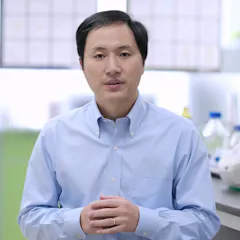
Scientific and public uproar resulted when the Chinese scientist announced the births of the first human babies with heritable edits to their genes. A new documentary reexamines the saga.

As genetic engineering and DNA manipulation tools like CRISPR continue to advance, the distinction between what science ‘could’ and ‘should’ do becomes murkier.
Potential benefits of human genome editing include new ways to diagnose, treat and prevent genetic disorders. But there’s a significant gap in regulation.
We could start making our genomes equipped to deal with more frequent pandemics. But it may come at a cost.
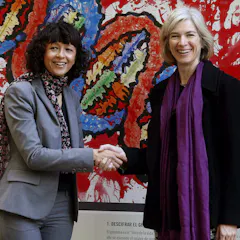
Jennifer Doudna and Emmanuelle Charpentier have been awarded the Nobel prize in Chemistry for their revolutionary work on ‘gene scissors’ that can edit DNA.
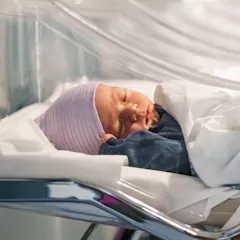
Four months ago a researcher claimed he had used the tool CRISPR to edit the genomes of twin girls. Now prominent researchers and ethicists are calling for a temporary halt to this sort of work.
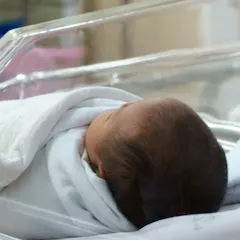
Genome editing technology has, and will always have, limits. Limits that are related not to the technology itself but to the intrinsic complexity of the human genome.
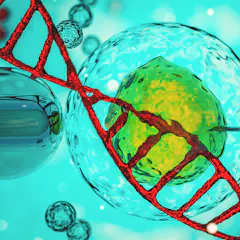
A Chinese scientist has revealed he edited the DNA of twin girls born through in vitro fertilization. These girls are designed to be resistant to HIV. Is the edit a medical necessity or an enhancement?
Top contributors
-

Head of School (Computer Science) and Co-Director (Centre for Data Science), Queensland University of Technology
-
Lecturer in Law & Deputy Director Law, Health and Society Research Unit - Deakin University
-
Associate Tutor and PhD Candidate in Philosophy of Science, Manchester Metropolitan University
-
Geneticist and Group Leader, The John Curtin School of Medical Research, Australian National University
-
Dean of the College of Science, Professor of Biochemistry, Rochester Institute of Technology
-
Assistant Professor in Biomedical Ethics, National University of Singapore
-
PhD Candidate at Science, Technology, Engineering and Public Policy, UCL
-
Professor of Bioinformatics, Rochester Institute of Technology
-
Chair, The Conversation Media Group
-
Senior Lecturer International Law, Bioethics, Emerging Tech, University of KwaZulu-Natal
-
Professor of Sociology, University of California, San Diego
-
Professor of Advanced Technology Transitions, Arizona State University