
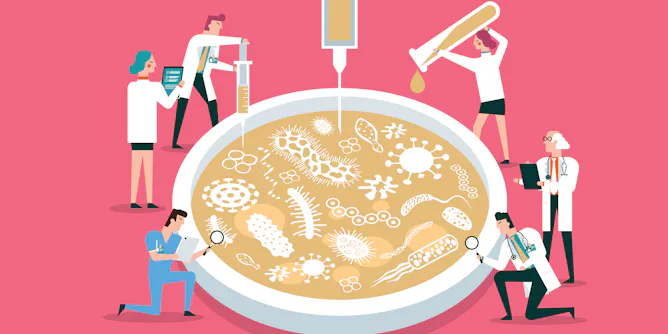
Antibiotic resistance is one of the biggest public health threats in the world. New research, however, may have found a way to keep up with rapidly evolving bacteria.
Articles on Gene therapy
Displaying 21 - 40 of 54 articles
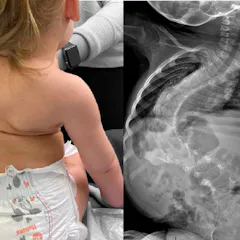
Spinal muscular dystrophy affects at least 1 in 10,000 people, but new drugs have given hope to those suffering from this rare disease.
Using ‘base editing’, researchers have cured progeria in mice. This genetic syndrome causes premature ageing in humans – those with the disease usually don’t live past the age of 13.
The immune system is trained to destroy viruses, even when they carry therapeutic cargo as is the case in gene therapy. Now researchers have figured out how to dial down the immune response.

Strategies to cure various types of blindness are looking more plausible after a series of recent breakthroughs using gene editing and gene therapy.
Genome sequencing technologies have transformed biological research in many ways, but have had a much smaller effect on the treatment of common diseases.

Addiction to cocaine is wildly difficult to conquer. But physicians may soon have a new type of gene therapy for patients that makes the drug less alluring.
Researchers are trying to boost the power of our immune system by genetically altering our white blood cells and transforming them into super-soldiers to fight cancer.

Gene therapy trials for inherited retinal diseases are blossoming. Blind and partially sighted people are helping to advance the research.
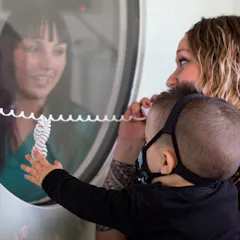
As we enter an era where once incurable diseases become curable, be prepared for some challenging debates about how to pay for gene therapy and the value of a human life.
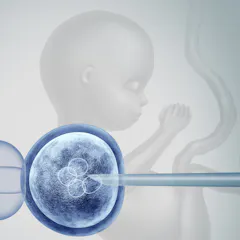
Scientists worldwide are calling for a moratorium on gene editing in germline cells. But what is a germline cell? How does it differ from other cells in our body? Why does it matter if we edit them?

If those who survive are the fittest, does that also make them the best? And if so, is engineering ‘better’ babies just evolution, or another step in a long history of eugenics?
Once genetic lesions for diseases such as cystic fibrosis and haemophilia were identified, the idea of replacing or correcting defective genes grew into what we now call “gene therapy”.

In a completely new approach to treating addiction, researchers use genetically engineered skin cells to inactivate cocaine and block cravings and addiction in mice.
An increasing list of rare diseases can now be treated with gene therapy. But we need to figure out a way to make them affordable.

One big challenge for gene therapies is delivering DNA or RNA safely to cells inside patients’ bodies. New nanoparticles could be an improvement over the current standard – repurposed viruses.

A successful gene therapy for the leading cause of sight loss in children is being reviewed by the FDA.
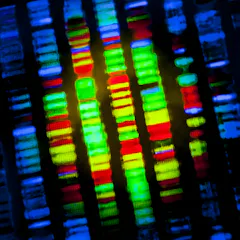
The gene therapy CTL019 induced complete remission in 90% of patients.
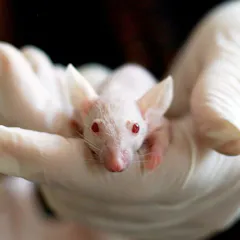
A new research paper reports dangerous side effects in CRISPR-edited mice. Some scientists are pushing back, placing blame for the unwanted mutations on the experiment, not the technique.
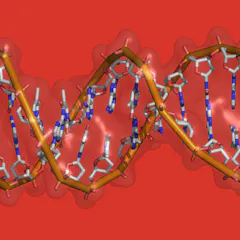
Researchers are starting to harness the potential of this much-hyped gene editing technique – with coming applications in medicine, biology and agriculture.
Top contributors
-

Chair, The Conversation Media Group
-
Doctoral Student in Biochemistry, University of Washington
-
Associate Professor of Biological Sciences, Purdue University
-
Researcher, L’Université d’Ottawa/University of Ottawa
-
Honorary Fellow at Department of Pharmacology and Therapeutics, The University of Melbourne
-
Chief Medical Scientist and Team Leader, CF Airway Research Group, 2000-2024, Adelaide University
-
Lecturer in Biomedical Science (Cancer biology), University of East London
-
Associate Professor in Physiology, Exercise and Nutrition, University of Stirling
-
Research and Knowledge Translation Facilitator, University of British Columbia
-
Clinical Professor, Lund University
-
Lecturer, UNSW
-
Ph.D. Candidate in Chemical Biology, Harvard University
-
Professor of Ethics, Keele University
-
Researcher assistant professor in the Department of Anesthesia & Critical Care, University of Chicago
-
Associate Professor in Cellular and Molecular Sciences, Northumbria University, Newcastle