

The new therapy is being hailed as a breakthrough. But the small study has some limitations – and hasn’t been peer-reviewed.
Articles on Gene therapy
Displaying 1 - 20 of 54 articles

Hope grows for Huntington’s patients, but scientific validation is still pending.

My research in mice has shown that immune differences may be a key reason behind why gene therapy can sometimes be less effective in women.
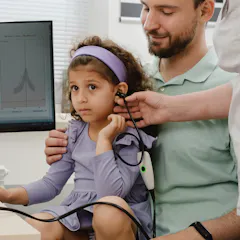
This is the first time such results have been achieved in both children and adult patients born with a specific type of congenital deafness.

Curiosity-driven research is exactly what it sounds like: research driven by the goal of understanding nature without regard for application.
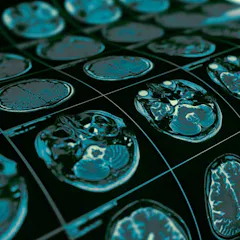
New research shows people in specific Polynesian communities have a much higher rate of a form of Parkinson’s disease considered rare elsewhere.

We can already tinker with human DNA to treat diseases. But being able to edit RNA allows for even more precision – and fewer risks.

Victor Ambros and Gary Ruvkun won the 2024 Nobel Prize in physiology or medicine for their discovery of microRNAs, molecules that turn genes on and off – and cause disease when they go awry.

Great Ormond Street Hospital plans to apply to the UK drugs regulator for a gene therapy to cure a rare genetic disorder called ADA-SCID.

Champions of xenotransplantation see it as the solution to organ shortages across the world. But this technology has other applications.
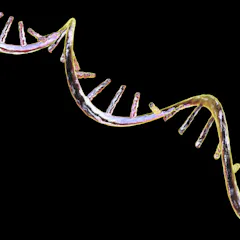
When just one of the thousands of microRNAs in people go awry, it can cause diseases ranging from heart disease to cancer.

Genetics expert Jean Bennett explains how gene therapy is being used to treat certain forms of inherited blindness.

Chemist David Liu explains how gene editing is paving the way to treating and even curing certain genetic diseases.

At the Third International Summit on Human Genome Editing, experts gather to discuss the path forward for CRISPR and other gene-editing technologies
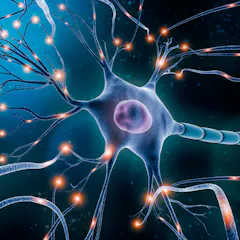
This technique could also be applied to other conditions, such as Parkinson’s disease.

Gene therapies and vaccines are often injected into muscle cells that are inefficient at producing desired proteins. Making them work more like liver cells could lead to better treatment outcomes.

Tay-Sachs is a rare and fatal neurodegerative disorder that most commonly affects children. Researchers have developed the first Tay-Sachs treatment to reach clinical trials.

DNA and mRNA vaccines produce a different kind of immune response than traditional vaccines, allowing researchers to tackle some previously unsolvable problems in medicine.

Gene silencing drugs target the underlying causes of a disease, rather than the symptoms it causes.

New payment models may mean more of the people who need these treatments can get them.
Top contributors
-

Chair, The Conversation Media Group
-
Doctoral Student in Biochemistry, University of Washington
-
Associate Professor of Biological Sciences, Purdue University
-
Researcher, L’Université d’Ottawa/University of Ottawa
-
Honorary Fellow at Department of Pharmacology and Therapeutics, The University of Melbourne
-
Chief Medical Scientist and Team Leader, CF Airway Research Group, 2000-2024, Adelaide University
-
Lecturer in Biomedical Science (Cancer biology), University of East London
-
Associate Professor in Physiology, Exercise and Nutrition, University of Stirling
-
Research and Knowledge Translation Facilitator, University of British Columbia
-
Clinical Professor, Lund University
-
Lecturer, UNSW
-
Ph.D. Candidate in Chemical Biology, Harvard University
-
Professor of Ethics, Keele University
-
Researcher assistant professor in the Department of Anesthesia & Critical Care, University of Chicago
-
Associate Professor in Cellular and Molecular Sciences, Northumbria University, Newcastle