
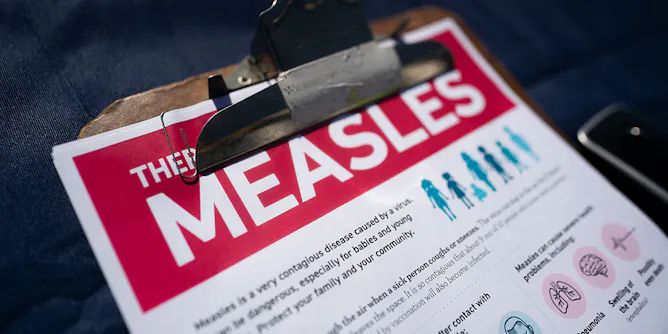
Pittsburgh helped pioneer the polio vaccine. Now, as measles cases rise across Pennsylvania, an epidemiologist explains the disease and the vaccine that prevents it.
Articles on Medicine
Displaying 1 - 20 of 337 articles

Childhood cancer affects different tissues and has different causes. We need to treat it as a separate disease.
Novel treatments include mental exercises to boost cognitive function, as well as strategies that help people with schizophrenia understand the emotions of others.

It sounds gross. Drugs seeping out of your body may be damaging your leather sofa. But how worried should we be, really?
There’s little transparency about who has access to deeply personal medical data or how companies handle it.
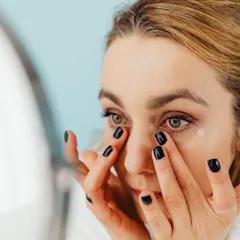
Skincare isn’t always a case of ‘the stronger the better’. Getting the right advice helps make sure you find the best treatment for your skin.
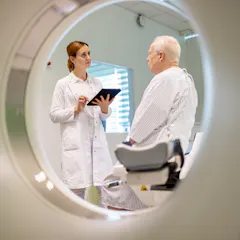
A standardized framework for regulating the safety and efficacy of AI in healthcare has yet to be established.
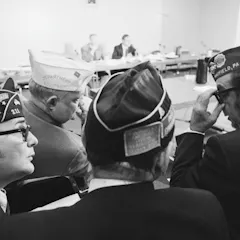
The source was a newly discovered bacterium called Legionella pneumophila that can thrive in household pipes, whirlpools, cooling units and outdoor fountains.

Most genetic studies focus on people from European ancestry. But Africa has the richest diversity and must be included in genetic databases.
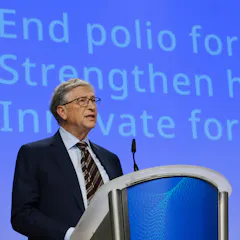
Could philanthropists be dominating global health metrics, governance, and outcomes?
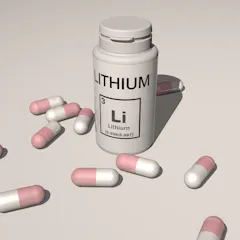
Only 29% of bipolar disorder patients are prescribed lithium, even though it produces the best clinical results.

The placebo effect is more than just mental – it’s a biological system that can measurably improve a patient’s symptoms. But someone else needs to activate it – creating a risk of manipulation.
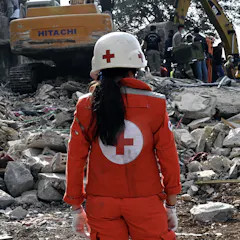
Humanitarian personnel put themselves in harm’s way to help others. An international law expert explains how we can keep them safe.

You can have a severe allergic reaction to this herbal medicine even if you’ve previously taken it without any problems.
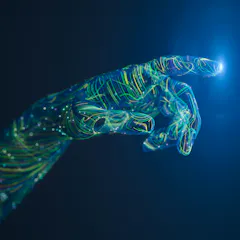
AI is making waves in health care and medicine. Does the technology have the potential for breakthroughs in how we tackle disease, dysfunction and aging?

A chatbot might know what’s wrong with you, but when people try to use them to understand symptoms, they may end up no closer to the answer.
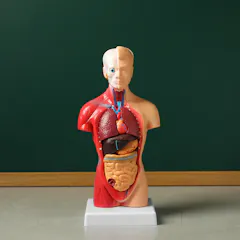
We think the human body is fully mapped. In reality, anatomy is still incomplete, and shaped by who was studied, and who wasn’t.
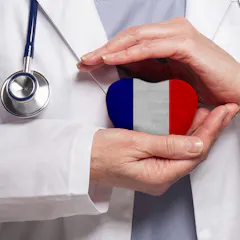
France may not have oil reserves, but it does have a well-oiled public health service comprising doctors, state-funded hospitals, strong state regulation and medical expenses that are reimbursed.
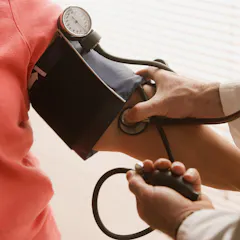
Like other high-income countries, Australia and New Zealand are leaning on GPs to solve increasingly complex health needs – without the necessary investment.
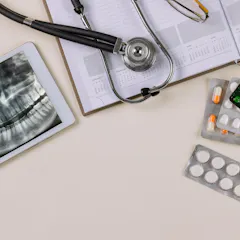
Many countries’ guidelines are unclear, lacking – or even nonexistent.
Top contributors
-

Professor of Pharmaceutical Chemistry, Macquarie University
-
Emeritus Robert Reford Professor and Professor of Medicine, McGill University
-
Assistant Professor of Neonatology, University of Alabama at Birmingham
-
Lecturer Pharmacy Practice, University of Sydney
-
Professor of Microbiology and Immunology, Indiana University
-
Associate professor, Department of Family and Community Medicine, University of Toronto; York University, Canada; University of Sydney
-
Professor of Health Law and Bioethics, Case Western Reserve University
-
Distinguished Professor of Otolaryngology-Head and Neck Surgery, University of California, San Francisco
-
Chief, Epithelial Therapeutics Unit, National Institute of Allergy and Infectious Diseases
-
Doctoral Student in Biochemistry, University of Washington
-
Assistant Professor of Obstetrics, Gynecology and Reproductive Biology, Harvard University
-
Professor of Medicine, University of Virginia
-
Honorary Enterprise Professor, School of Population and Global Health, and Department of General Practice and Primary Care, The University of Melbourne
-
Assistant Professor of History, University at Buffalo
-
SHARP Professor, Vitalities Lab, Centre for Social Research in Health and Social Policy Centre, and the ARC Centre of Excellence for Automated Decision-Making and Society, UNSW