
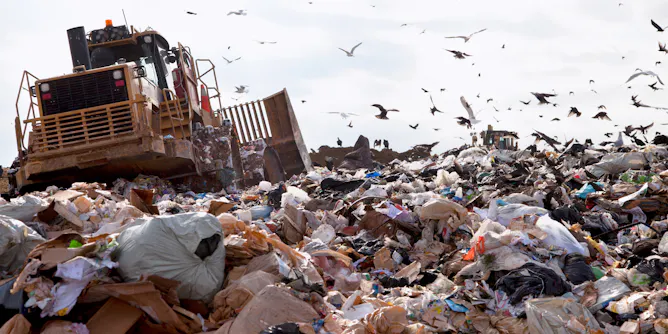
Food is not waste until it’s wasted.
Articles on Food waste
Displaying 101 - 120 of 141 articles
Two of the world’s problems – obesity and waste – can be reduced together.
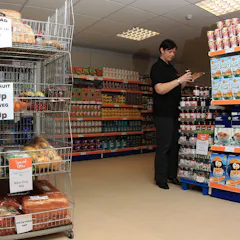
Social supermarkets help those struggling from food poverty – but they mask our broken food system.

The case of the start-up Phenix shows that the fight to reduce food waste requires a regulatory context that encourages innovation at the level of the business ecosystem.
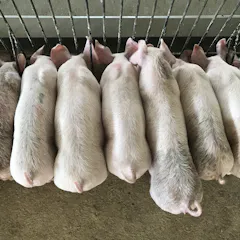
There’s plenty of evidence that modern swill-feeding would be safe, sustainable, and popular.
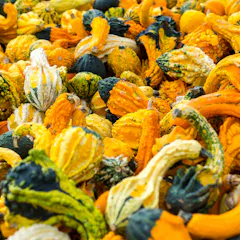
Food is just food … or is it?
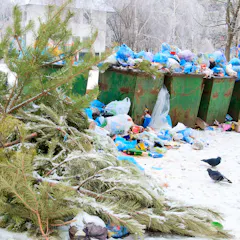
Canadians are a wasteful bunch, especially during the holidays. Redesign your holidays this year to cut back on garbage and food waste.

Young people are taking to bins to protest food waste.

The fate of turkey tails shows how Americans have shifted from eating whole animals to focusing on choice cuts – and the surprising places where unwanted parts end up.

Foodbanks were originally established as a temporary measure to alleviate food insecurity. But have they become an excuse for governments not to deal properly with the problem?
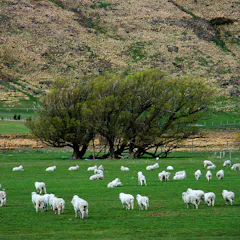
Australia feeds tens of millions, at home and abroad. But if our population doubles by 2061, as some projections suggest, we’ll need some smart strategies to keep those people fed.
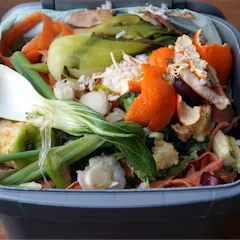
New research shows most people try to shop and cook carefully – the real problem with food waste is infrastructure.
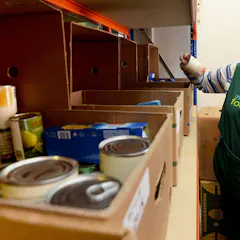
Recycling leftovers from supermarkets does not address the roots of food poverty and removes responsibility from the government.

Understanding the best food option is getting complicated. Enter the new flexitarians.
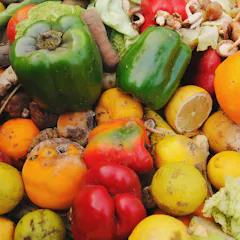
Rich countries waste a lot of food. Producers and consumers need to rethink eating habits if this problem is to be solved.
Every little helps, but saving the environment requires a global effort.

Australia’s city foodbowls are an important part of the nation’s food supply, but they’re under increasing pressure from growing populations.
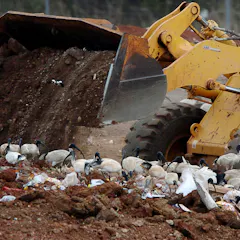
Well-intended efforts to reduce food waste could threaten some birds and animal species, a new paper has warned.
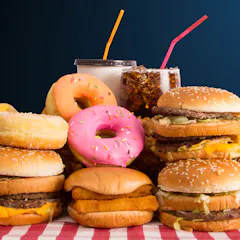
In a warming world with a growing population and dwindling resources, we can no longer afford to eat food that’s bad for both our health and the environment.
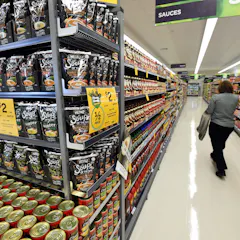
The draft agenda for the UN urban development conference in Quito neglects the food systems on which the wellbeing of the world’s 4 billion city dwellers depends.
Top contributors
-

Professor of Applied Environmental Science, University of Southampton
-
Professor in Sustainable Production and Consumption, Anglia Ruskin University
-
Assistant Professor of Community Health Sciences, Boston University School of Public Health, Boston University
-
Assistant Professor of Supply Chain and Health Sciences, Northeastern University
-
Researcher in Sustainable Food Systems, University of Cambridge
-
Associate Professor of Marketing, Tasmanian School of Business and Economics, University of Tasmania
-
Associate Professor in Food Systems, The University of Melbourne
-
Associate Professor, Centre for Creative and Cultural Research, Faculty of Arts and Design, University of Canberra
-
Researcher in sustainable food systems, The University of Melbourne
-
Lecturer in Sustainable Manufacturing, Loughborough University
-
Senior Lecturer in Geography, University of Sheffield
-
Professor of Marketing and Consumer Behaviour, Queensland University of Technology
-
Doctor of Environmental Science, University of Southampton
-
Research Fellow in Environmental Change, University of Sheffield
-
Professor and Director Centre for Agricultural Engineering, University of Southern Queensland