
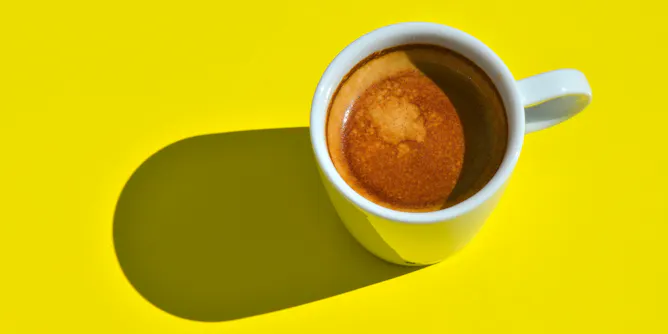
Coffee doesn’t just make you feel more alert. Here’s what else happens when you drink a cuppa.
Articles on Food science
Displaying 1 - 20 of 82 articles

Next time your colleague funks up the break room, consider leaving a passive aggressive copy of this article nearby, so they can understand the chemistry involved.
A long bath in brine is how deli meat gets its taste, texture and shelf life.
In warm weather and tropical climates, storing and transporting chocolate is a challenge.

New research shows hunger can make us imagine tastes more vividly – helping explain those powerful cravings that lead to bad choices.
Butter and margarine are both made up of long fatty acid chains, but some slight chemical differences mean differences in how they melt.
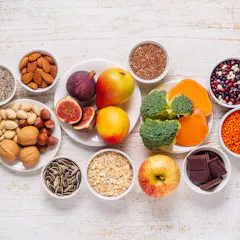
Eating fiber can prevent a number of health issues, and you might need to eat more than you think.
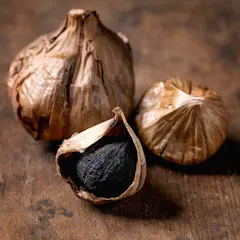
A food chemist explains how black garlic is made, and how its health benefits are promising but still under-researched.

With a little help from science, it’s surprisingly easy to make crystal clear ice in your home freezer.
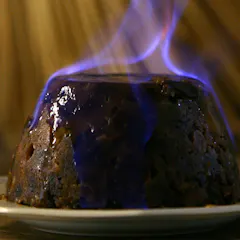
Liquid fuel fires can be very dangerous, so plan ahead if you want to set your pudding on fire. And remember: more fuel isn’t always better.
Seven grams of salt per litre is optimal, according to physics.

A consensus is emerging among scientists that certain foods are addictive for some people. But questions remain about which foods, which people and why.

With a few science-based tips, mangled eggs can become a thing of the past.
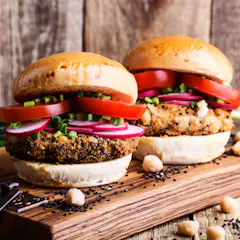
Whether your holiday table has turkey or Tofurky this year, you’re consuming a combination of proteins, fats and water.
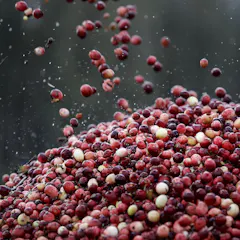
With a few science-backed culinary tricks, you can make a delicious cranberry dish that’s friendly to Type 1 diabetics.
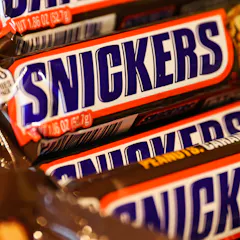
The components of one Snickers bar showcase several common processes used in candy science.
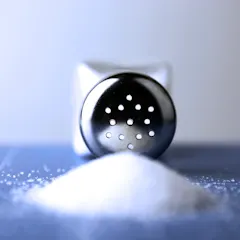
Salt and MSG are two well-known food additives. Both contain sodium, but there are plenty of differences you can use to your benefit.
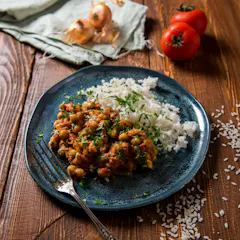
Public health resources often recommend brown rice instead of white as a ‘healthy swap’. But what if you prefer white rice?
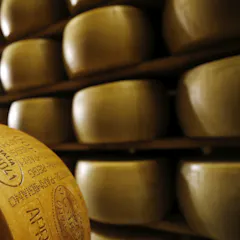
Cheesemaking is an ancient practice, and modern methods and chemistry have made it a science.
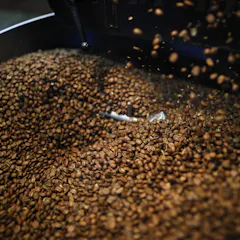
Even unstimulating coffee has stimulating chemistry.
Top contributors
-

Senior Lecturer, Nutrition and Food Science, Australian Catholic University
-
Associate Professor in Chemistry and Associate Head Learning and Teaching, University of Tasmania
-
Accredited Practising Dietitian and Lecturer, Southern Cross University
-
Professor in Food Science, University of Southern Queensland
-
Professor of Community Health and Wellbeing, The University of Queensland
-
Associate Clinical Professor of Culinary Arts & Food Science, Drexel University
-
Honorary Associate Professor, University of Leicester
-
Research Associate, Centre for Culinary Innovation, Northern Alberta Institute of Technology
-
Associate Professor of Chemistry, University of Richmond
-
Professor of Chemistry, Clemson University
-
Professor of Food Science and Technology, The Ohio State University
-
Associate Professor of Hospitality Management, Colorado State University
-
Professor of Food Science, Clemson University
-
Associate Professor of Chemistry, University of Richmond
-
Professor of Medicine, Monash University