
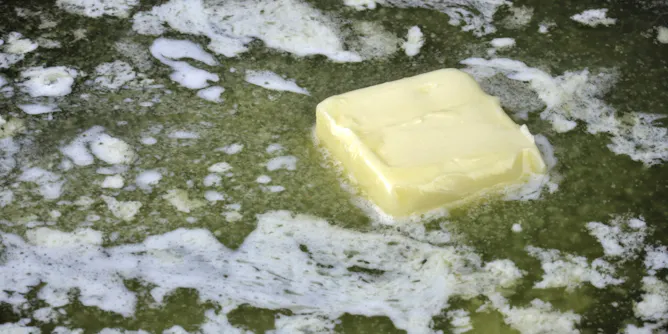
Butter and margarine are both made up of long fatty acid chains, but some slight chemical differences mean differences in how they melt.
Articles on Food chemistry
Displaying 1 - 20 of 21 articles
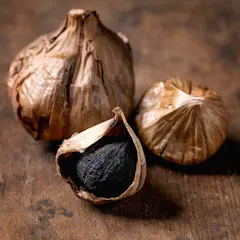
A food chemist explains how black garlic is made, and how its health benefits are promising but still under-researched.
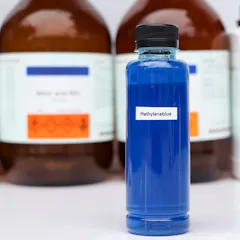
Health influencers – perhaps including Health Secretary RFK Jr. – are promoting the chemical as an elixir that improves memory and focus. But evidence for these claims is thin.
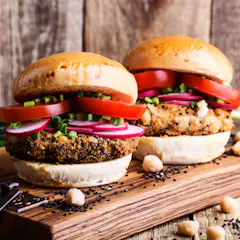
Whether your holiday table has turkey or Tofurky this year, you’re consuming a combination of proteins, fats and water.
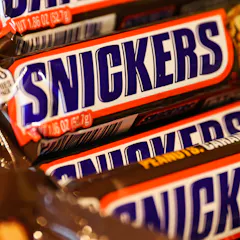
The components of one Snickers bar showcase several common processes used in candy science.

New research demonstrates that the dye that gives nacho cheese its yellow-orange color can also make mouse skin see-through.

If you stop to think about it, most of your knowledge can’t be clearly tied to one particular experience.
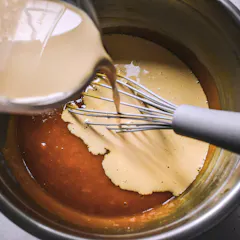
In a pinch, the water from a can of beans can replace eggs. But how does that work, exactly?
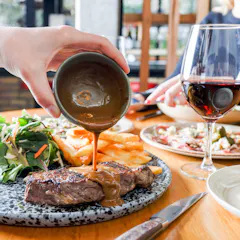
Roasting meat sets off a cascade of chemical reactions. With a bit of kitchen chemistry know-how, you can use these reactions to your advantage when you make gravy.
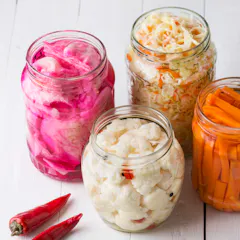
Probiotics are great for your gut, but which sources contain the most beneficial bacteria? Newly developed sensors are helping scientists figure it out.
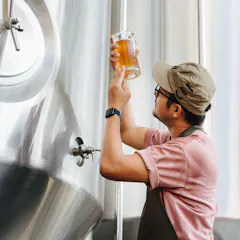
Nonalcoholic beer may sound like an oxymoron, but newer techniques are producing tasty, high-quality options in this growing beverage category.
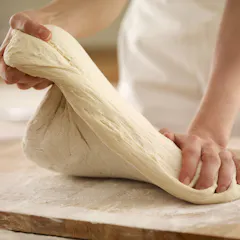
Ever wonder why bakers spend so long kneading their dough? They’re trying to form a gluten network, which helps the bread rise.
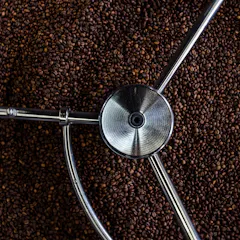
Some coffee lovers can’t do without their hit of caffeine. But if you prefer decaf, here’s the intriguing science of how it’s made, why it costs more – and how much caffeine makes it to your cup.
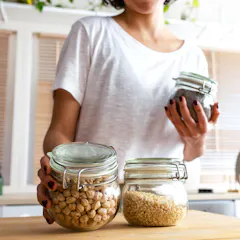
Pantry food can go bad if exposed to oxygen, but an AI model might help develop more effective preservatives and keep food fresher for longer.

The bourbon industry has been booming in recent years, but what sets all the different types of bourbon apart?
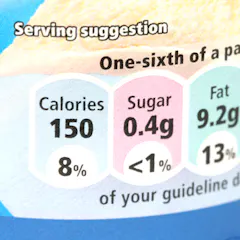
There are two main methods used to calculate the energy content in food and drinks.
Ever wonder how soda manufacturers get the bubbles and fizz inside the can? A chemist explains some of the science behind the carbonation process. Hint − it involves carbon.

Two food scientists, an entomologist, an anthropologist, a veterinarian and a historian walk into a bar (of chocolate) and tell bitter and sweet stories of this favorite treat.
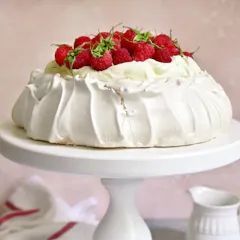
Why should you not beat your eggs in a plastic bowl? Can you save an over-beaten meringue? And is there a specific sugar you should use?
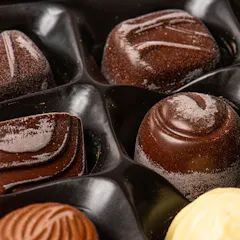
It’s totally fine to eat chocolate with a white film on the surface. But what is it, how did it get there, and how can it be avoided?
Top contributors
-

Associate Professor in Chemistry and Associate Head Learning and Teaching, University of Tasmania
-
Professor of Community Health and Wellbeing, The University of Queensland
-
Accredited Practising Dietitian and Lecturer, Southern Cross University
-
Associate Professor of Chemistry, University of Richmond
-
Professor of Chemistry, Clemson University
-
Professor of Chemistry and Biochemistry, Miami University
-
Associate Professor of Chemistry, University of Richmond
-
Research Fellow - PhD candidate, University of Tasmania
-
Clinical Assistant Professor of Veterinary Clinical Sciences, Oklahoma State University
-
Professor and Associate Dean for Research, College of Pharmacy, University of South Carolina
-
Visiting Scholar, University of California, Berkeley
-
Professor in Food Science, University of Southern Queensland
-
Postdoctoral Research Associate in Food Science and Human Nutrition, Michigan State University
-
Professor and Department Head, Entomology and Plant Pathology, University of Tennessee
-
Professor of Chemistry, Clemson University