

Child malnutrition is no stranger to high-income countries. In Canada and the U.S., food insecurity affects one in six children under 18, but policies to address the issue are still lacking.
Articles on Food insecurity
Displaying 121 - 140 of 267 articles
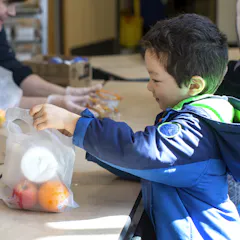
An expert on food policy explains how the end of COVID-19 waivers will impact children’s access to food, as well as the importance of food banks and pantries.

Industry seeks to capitalize on regenerative agriculture, but standards that focus only on carbon or other select environmental metrics will undermine its transformative potential

Ukraine is facing a struggle for survival. Its population could fall to 30 million by the time the war ends, with cities destroyed, crops expropriated and thousands already killed and wounded.

As Zimbabwe heads for 2023 presidential elections, there are key things voters should watch out for in the social protection promises made by candidates.

Ukraine is one of the world’s breadbaskets, but exports have been blockaded by Russia. Despite grave potential consequences in famine-prone countries, international law is largely silent.
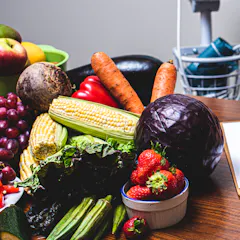
Food security is crucial to disease prevention and management, so prescribing healthy foods and reducing barriers to better diets makes sense. But food prescriptions should not be immune to scrutiny.
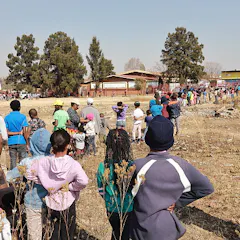
More than a third of people living in South Africa’s richest province Gauteng can’t afford to buy enough food.

Researchers find that households without enough diapers for their children are more likely to struggle with other hardships.
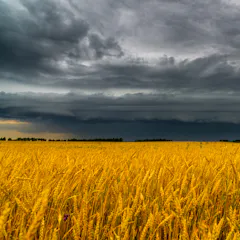
Climate change is already cutting crop yields. War and unrest are likely to compound these issues for food-importing nations.
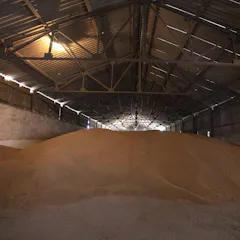
Environmental catastrophe, war, a worldwide pandemic. What does this mean for feeding the world today and in the future?

Efforts to make donated food as healthy as possible backfire if the recipients throw it out.

Far more people are dying of hunger around the world than in Europe’s new war.

Over-reliance on sanctions and economic warfare measures have led to strategic complacency and the avoidance of negotiations on the part of the western governments.
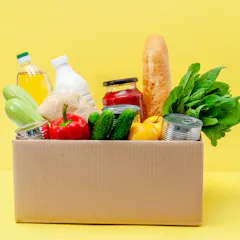
Food is a fundamental human right. But governments have left it to charities and food suppliers to step in after disasters. That has to change as climate change throws up greater stresses.

Adolescence lies between childhood and adulthood, but adolescents are neither big children nor little adults. They have increased food requirements to support their rapid physical growth and maturation.

The 2021 child tax credit expansion helped lift millions of families with children out of hunger. After those payments ended in December 2021, those families may again face food insufficiency.

Child care workers are at the center of the food insecurity crisis in America. In 2020, nearly one-third of them were food insecure.
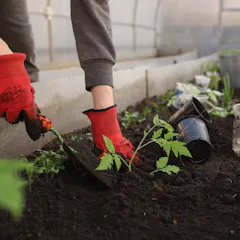
Helping more city-dwellers to grow their own fruit and veg could improve health, wellbeing and food security for growing populations.
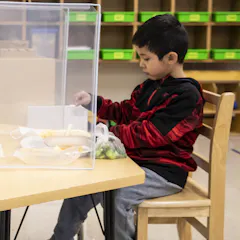
The time is ripe to develop federal-provincial/territorial accords towards implementing a national school nutritious meal program.
Top contributors
-

Associate Professor of Political Science, University of Richmond
-
Professor of Economics, Baylor University
-
Professor of Social Development Studies, University of Johannesburg
-
Professor of Human Development and Family Sciences, University of Connecticut
-
Senior Lecturer in Nutrition and Dietetics, University of Wollongong
-
Professor of Health Studies, Queen's University, Ontario
-
Senior Researcher, Associate Professor: Economic Management Sciences, University of Pretoria
-
Assistant Professor of Nutrition, Texas State University
-
Associate Professor of Allied Health Sciences, University of Connecticut
-
Assistant Professor of Public Health, Indiana University
-
Assistant Professor of Dietetics and Nutrition, University of Dayton
-
Professor of Nutritional Sciences, University of Toronto
-
DSTI/NRF Research Chair in Welfare and Social Development, University of Johannesburg
-
Research Program Coordinator, Food Insecurity, University of Toronto
-
Associate Professor of Nutrition Science, Purdue University