
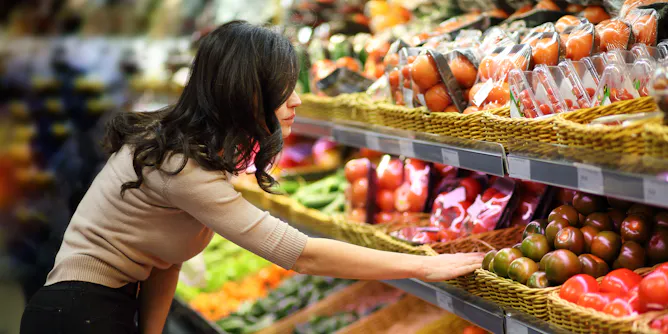
Food insecurity affected many students even before the pandemic hit, with international students the worst hit. But students and universities have shown a lot can be done to end the problem.
Articles on Food insecurity
Displaying 181 - 200 of 267 articles

Economists estimate the tax on households worth over $50 million could bring in $3 trillion over 10 years, but it will run into constitutional challenges.
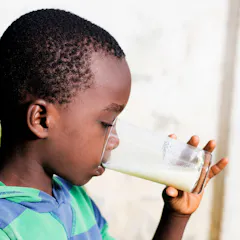
Poor nutrition stunts children’s growth and hollows out their life chances.
A tax on sugar-sweetened beverages may be intended to improve health, but for Indigenous consumers, such a tax would be unethical, contravene tax law and undermine Indigenous rights.

The Biden administration is trying to shore up SNAP, a mainstay of the safety net.
Food production in the US is heavily concentrated in the hands of a small number of large agribusiness companies. That’s been good for shareholders, but not for consumers.

The United States has a robust food supply chain and a social safety net in place that could, if fully utilized, nearly eliminate hunger within its borders.

A food policy researcher helps make sense of the lexicon of US food policy terms, and explains how they relate to racial justice.
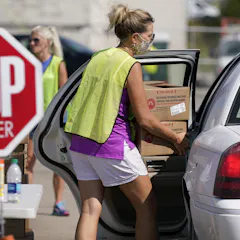
The number of people assisted by food banks had been growing over the two decades before the COVID-19 pandemic. Today, these nonprofits are facing even more demand.
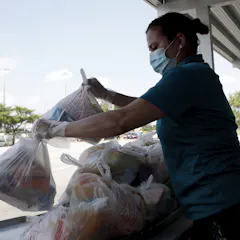
It helped that school food service staff quickly changed their preparation, packaging and distribution methods to feed students who were no longer eating in cafeterias.

Professors explained how the topics they research are being affected by the COVID-19 pandemic and racial injustice in real time and as history unfolded.
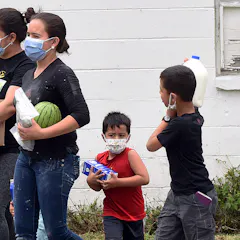
An estimated 1 in 4 US children have trouble getting enough to eat at least sometimes. We asked four scholars for their insights..
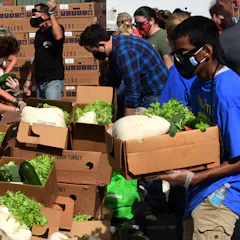
The boxes and bags people get from food pantries contain healthier food than you might suspect.
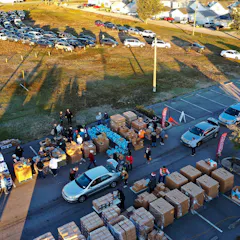
By not attaching any strings to the money, championing representation and generally taking care to respect nonprofit leaders, she’s following five best practices.

Not having enough to eat is a major public health concern, not only because it causes hunger and distress, but also because it’s linked to poor nutrition and unstable diet patterns.
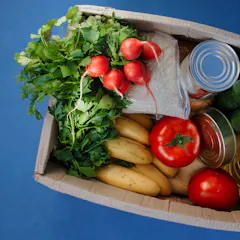
Dayton Children’s Hospital has begun to screen patients and their families for food insecurity, referring many of them to its ‘Food Pharm.’

The federal government’s response to the scourge of food insecurity must involve a lot more than just encouraging Canadians to donate canned goods. It must honour Canadians’ right to food.
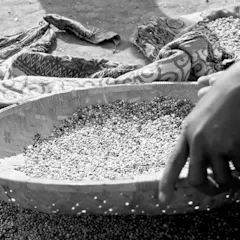
The ex-combatants’ food memories show how they continue trying to make sense of both their past and present experiences of violence.
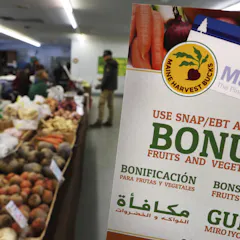
More Americans are getting benefits, and more of the people getting benefits are eligible for higher levels of support.

Concerns about having enough to eat are worsening among college students during the pandemic. This could ultimately affect how many finish school, two scholars argue.
Top contributors
-

Associate Professor of Political Science, University of Richmond
-
Professor of Economics, Baylor University
-
Professor of Social Development Studies, University of Johannesburg
-
Professor of Human Development and Family Sciences, University of Connecticut
-
Senior Lecturer in Nutrition and Dietetics, University of Wollongong
-
Professor of Health Studies, Queen's University, Ontario
-
Senior Researcher, Associate Professor: Economic Management Sciences, University of Pretoria
-
Assistant Professor of Nutrition, Texas State University
-
Associate Professor of Allied Health Sciences, University of Connecticut
-
Assistant Professor of Public Health, Indiana University
-
Assistant Professor of Dietetics and Nutrition, University of Dayton
-
Professor of Nutritional Sciences, University of Toronto
-
DSTI/NRF Research Chair in Welfare and Social Development, University of Johannesburg
-
Research Program Coordinator, Food Insecurity, University of Toronto
-
Associate Professor of Nutrition Science, Purdue University