

Marcus Rashford has spoken eloquently about what happens when the government does not provide adequate support for food-insecure families. Children we interviewed said the same thing.
Articles on Food insecurity
Displaying 201 - 220 of 267 articles

Food insecurity is income insecurity. After COVID-19, we must no longer tolerate the inequities of corporate charity and the stigma associated with relying on society’s leftovers for those in need.
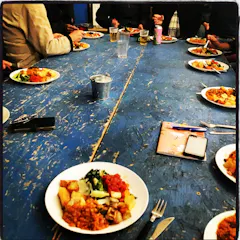
Can social eating networks offer a model for a new future of food?
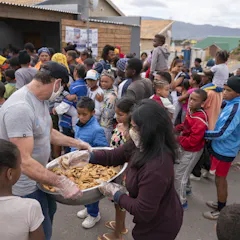
South Africans have experienced significant shocks to their livelihoods, and the threat of hunger presents a major concern for health, political and social stability.
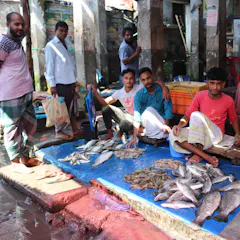
The urban poor in Bangladesh’s small cities already faced food insecurity before COVID-19 – but the lockdown made affording food much harder.
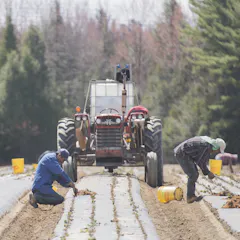
Access to culturally appropriate food may be key for newcomers to build connections with their communities.
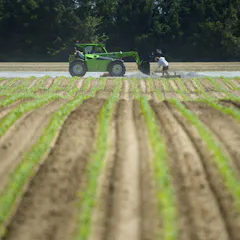
COVID-19 has given society a teachable moment, and we should now establish the policies, programs and technologies to ensure our food system becomes stronger, more resilient and more equitable.
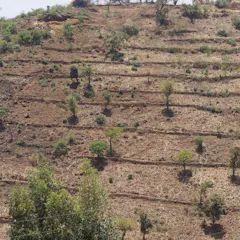
It’s time to redesign food systems that deliver healthy foods, allow farming families to make a good living, and support thriving societies.
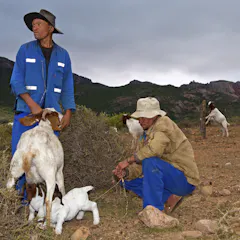
When South Africa eventually emerges from the fog of the COVID-19 crisis, structural reform, including land reform, will be high on the political agenda as never before.

As the world’s population grows, agriculture and related industries will grow in size and importance in Canada. Smart investors should bet on Canadian farmland.
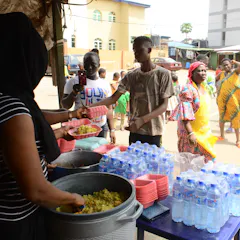
When people are hungry or not sure where their next meal is coming from, they get angry at their governments. This gives terrorist groups opportunities to recruit new members.
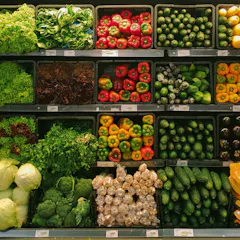
Food is essential to survival. It is also essential to identity. During times of national crisis like the coronavirus pandemic and in the historical landscape, food issues become prominent.
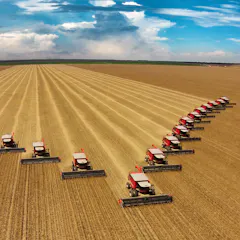
For the second time this century, crises have led to calls to transform our global food system. We can start with restructuring the global food trade so that it complements local food systems.
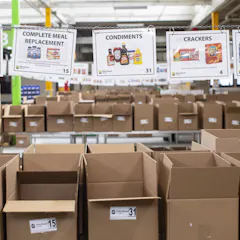
The ability of food banks to meet the needs of food insecure Canadians has plummeted just when it is needed most. But food banks have never been able to address the reason people are going hungry.

After the brief shock of food insecurity in the form of empty supermarket shelves, we might start thinking about having a Plan B and C based on local food sources and shorter supply chains.
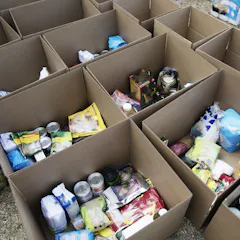
Providing nutritious food can ensure better health outcomes that will reach beyond the COVID-19 pandemic.

Other existential risks include the decline of natural resources (particularly water), human population growth beyond the Earth’s carrying capacity, and nuclear weapons.
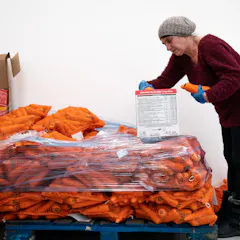
Hunger is increasing but community organisations, local government and the food industry are working to fill the gap.

While small businesses will be partially cushioned by government support measures, there’s no support for the most vulnerable workers.

If lab-grown meat is truly going to be the next frontier in ethical eating, it’s important to consider who’s most at risk of being left behind in the race to develop it.
Top contributors
-

Associate Professor of Political Science, University of Richmond
-
Professor of Economics, Baylor University
-
Professor of Social Development Studies, University of Johannesburg
-
Professor of Human Development and Family Sciences, University of Connecticut
-
Senior Lecturer in Nutrition and Dietetics, University of Wollongong
-
Professor of Health Studies, Queen's University, Ontario
-
Senior Researcher, Associate Professor: Economic Management Sciences, University of Pretoria
-
Assistant Professor of Nutrition, Texas State University
-
Associate Professor of Allied Health Sciences, University of Connecticut
-
Assistant Professor of Public Health, Indiana University
-
Assistant Professor of Dietetics and Nutrition, University of Dayton
-
Professor of Nutritional Sciences, University of Toronto
-
DSTI/NRF Research Chair in Welfare and Social Development, University of Johannesburg
-
Research Program Coordinator, Food Insecurity, University of Toronto
-
Associate Professor of Nutrition Science, Purdue University