

While rain gardens are useful, how and where they are planted can impact how beneficial they are.
Articles on Flood protection
Displaying all articles
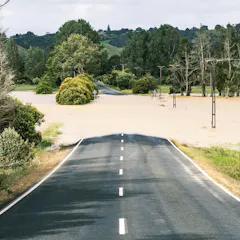
From Australia to Sweden to New Zealand, these towns demonstrate how managed retreat in action is a fine balancing act between history, culture and community.

It’s not enough to have parks in city outskirts or urban green belts. Green spaces must be accessible for residents and placed to provide effective flood protection for cities.

Catchments are full. Dams are at capacity, soils are saturated and rivers are high. In some cases, there’s nowhere for the rains to go except over land.
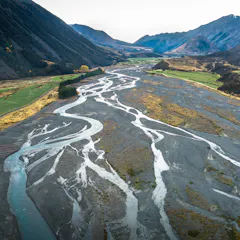
Given climate change predictions of more extreme floods in New Zealand, it’s time to change management practices to work with a river, allowing it room to move and its channels to adjust.
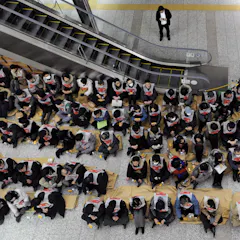
Japan took a fresh approach to ensuring their society was more resilient to the frequent earthquakes they experience. We could learn from its experience.
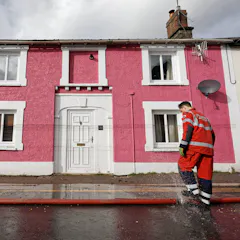
Residents need the necessary support to adapt their homes and make collective decisions about flood prevention.
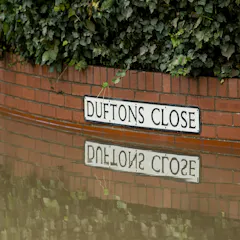
Current policy to manage and protect people from flooding disadvantages those who are most vulnerable.
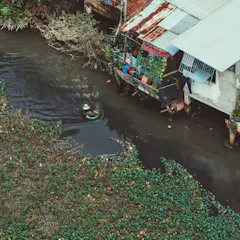
In failing to acknowledge that the capacity of rivers can change quickly, some flood models and defences may not be equipped to deal with the consequences when they do.
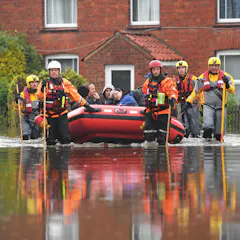
Planning for the growing risks of flooding that threatens the UK’s cities, towns and villages is underway, but progress is too slow.

There’s an apparent emerging Doug Ford doctrine in Ontario of short-term gain for long-term pain. It threatens to embed long-term structural costs for the province and its taxpayers.
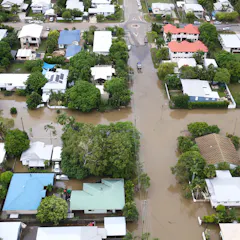
Amid fears that parts of Townsville and other Australian cities might become “uninsurable”, making urban areas more resilient and adaptable to flooding is becoming more urgent.
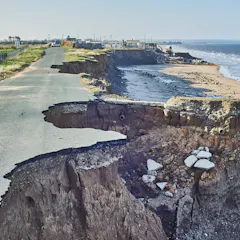
Rising sea levels won’t be solved by trying to fix the coast in place. For a defence from coastal flooding, we need to step back.
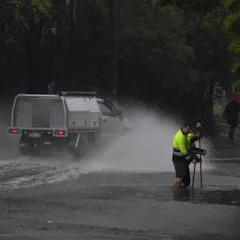
Australia’s coastal settlements are highly exposed to the impacts of climate change. Climate-resilient urban landscapes that can cope with large amounts of water need to become the new normal.
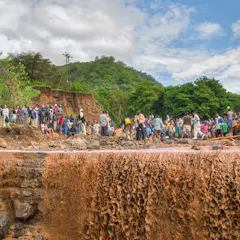
African countries are sure to face more flooding in the future, they need to adapt or risk loosing the progress that’s already been made
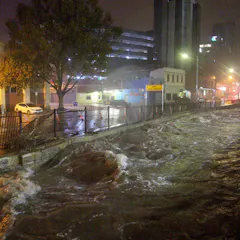
Managing flood risk is not just ‘good planning’; it requires commitment to resilient cities by land developers, politicians and communities. Effective response means learning from mistakes.
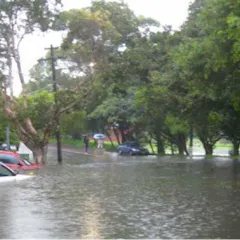
A massive residential development in a flood-prone inner-city suburb sounds like a recipe for disaster. But good urban design can deliver higher density and reduce the flood risk.
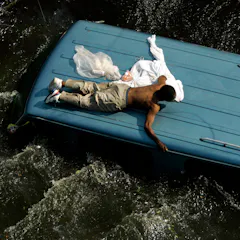
Researchers examined credit data on the victims of Hurricane Katrina to understand how the disaster affected their personal finances, revealing important lessons for those hurt by Harvey.
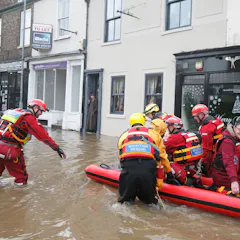
Climate change makes extreme weather more likely – but we also have the power to make our flood responses smarter.
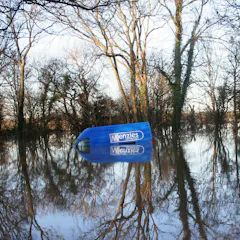
Insuring the most at-risk homes should become easier after April, but the latest deluge makes the new scheme look fragile.
Top contributors
-

Professor of hydrology and climate change, Newcastle University
-
Assistant Professor of Economics, Case Western Reserve University
-
Associate Professor in Geography, York St John University
-
Senior Research Fellow, University of Southampton
-
Professor Spatial Transformation, Hanze University of Applied Sciences, Groningen
-
Senior Lecturer in Environmental Management, University of Tasmania
-
Professor of Law, University of Southampton
-
Professor of Human Geography and Planning, University of Tasmania
-
Senior Lecturer, Geography and Environmental Studies, University of Tasmania
-
Senior Lecturer in River Science, University of Auckland, Waipapa Taumata Rau
-
Professor, Chair of Physical Geography, University of Auckland, Waipapa Taumata Rau
-
River Geomorphologist, National Institute of Water and Atmospheric Research (NIWA)
-
Professor of Hydroclimatology, University of Oxford
-
Professor in Physical Geography, Te Kunenga ki Pūrehuroa – Massey University
-
Associate Professor of Human Geography, University of Tasmania