
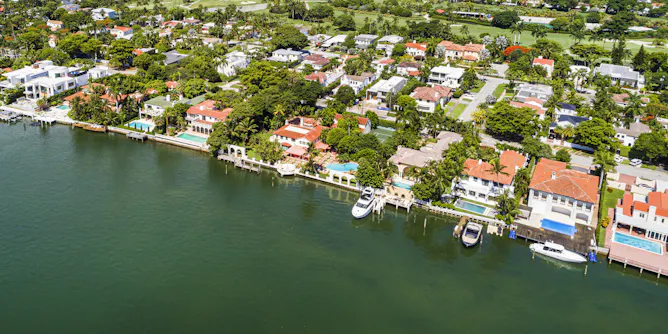
Subsidized insurance makes waterfront property seem safer than it is for wealthier buyers, while many low-income homeowners face repeat disasters with no help.
Articles on Flood Insurance
Displaying 1 - 20 of 22 articles

Computer models of the storm hitting different areas show how much damage is possible, yet flood maps still focus on where flooding is most likely instead.
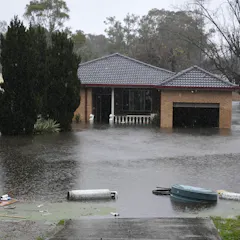
Floods are common in the Hawkesbury-Nepean Valley north of Sydney. But trends in house prices show us buyers don’t fully grasp the risk
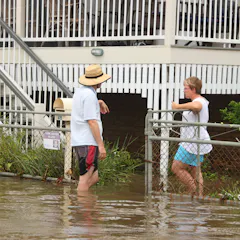
Australian properties are becoming uninsurable as unseasonal extreme weather inflicts major damage to housing, business and infrastructure.

The vast majority of damage to residential buildings during flooding occurs in basements. Rather than rebuilding identically after a disaster, we need to build better.
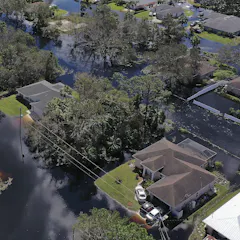
About 9% of homeowner property claims nationwide are filed in Florida, yet 79% of lawsuits related to property claims are filed there.
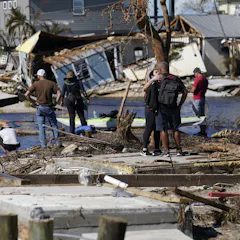
Many government agencies help people whose lives are thrown off course, but not everyone is eligible or able to access that aid.
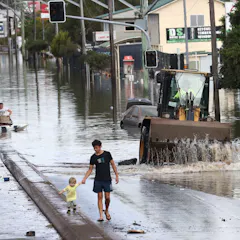
Natural disasters are driving up insurance costs. The Australian government’s plan to drive them down won’t help much.
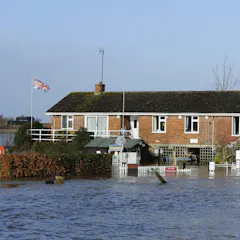
Six things you can do to help keep you and your home safe.
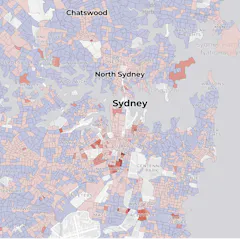
Even if you’re well covered, your area may struggle long after a disaster if most locals don’t have enough home and/or contents insurance. Search our map by postcode or suburb name to check your area.
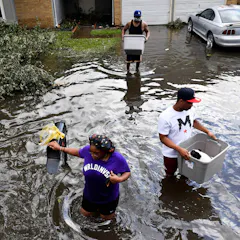
The most vulnerable communities are being pushed deeper into poverty with each climate-related disaster. Part of the problem is that government aid helps the wealthiest people most.

Instead of telling people to buy more of the right type of insurance, we should be asking how insurance can work better for people.
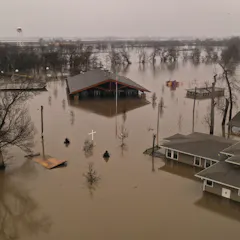
The Trump administration has proposed a major revamp of the National Flood Insurance Program since its inception in 1968. Here’s why it needs fixing.
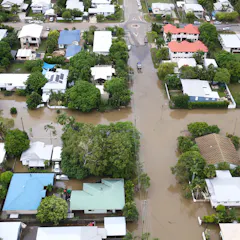
Amid fears that parts of Townsville and other Australian cities might become “uninsurable”, making urban areas more resilient and adaptable to flooding is becoming more urgent.
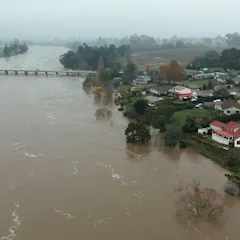
The differences between owners and the growing number of renters, and between rural and urban areas, point to explanations other than affordability for the one-in-two Australians who are underinsured.
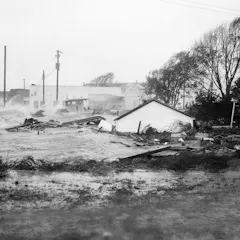
As Hurricane Florence is expected to pound the Carolinas with significant flooding, an insurance expert explains how the program designed to help the millions affected recover.
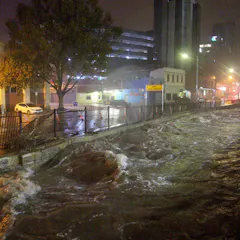
Managing flood risk is not just ‘good planning’; it requires commitment to resilient cities by land developers, politicians and communities. Effective response means learning from mistakes.
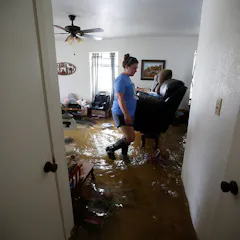
The federal government created a program in 1968 to insure homes in the US from flooding, yet few of the houses hammered by Harvey’s record rainfall were covered.
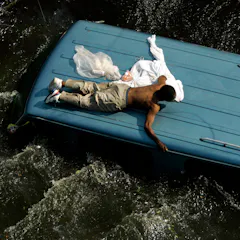
Researchers examined credit data on the victims of Hurricane Katrina to understand how the disaster affected their personal finances, revealing important lessons for those hurt by Harvey.
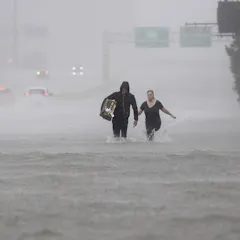
As Hurricane Harvey shows, flooding can happen wherever large storms stall and dumps lots of rain. A new study finds that development is increasing in flood zones inland, where people may not think they are at risk.
Top contributors
-

Associate Professor of Human Geography, University of Tasmania
-
Professor Emeritus of Risk Management and Insurance, Georgia State University
-
Lecturer and Research Fellow, School of Geography, Planning, and Spatial Sciences. Coordinator, Education for Sustainability Tasmania, University of Tasmania
-
Senior Lecturer in Environmental Management, University of Tasmania
-
Assistant Professor of Economics, Case Western Reserve University
-
Assistant Professor of Finance, St. Joseph's University
-
Professor of Finance, Florida International University
-
Director, Hazard Reduction and Recovery Center; Associate Professor of Urban Planning, Texas A&M University
-
Lecturer in Architecture, Griffith University
-
Lecturer, Monash University
-
Principal Investigator FiRES Project (SNSF Consolidator Grant), ETH Zürich, Switzerland // Honorary Associate Professor, University of Wollongong, Australia.
-
Senior Research Analyst and Ph.D. Candidate in Human Security, The Fletcher School, Tufts University
-
Lecturer in Environmental Economics (Disaster Risk Management and Climate Change Adaptation), University of York
-
Henry J. Leir Chair in Global Migration, Fletcher School of Law & Diplomacy, Tufts University
-
Bernard Deschamps is a Friend of The Conversation.
PhD in Environmental Sciences, Université du Québec à Montréal (UQAM)