
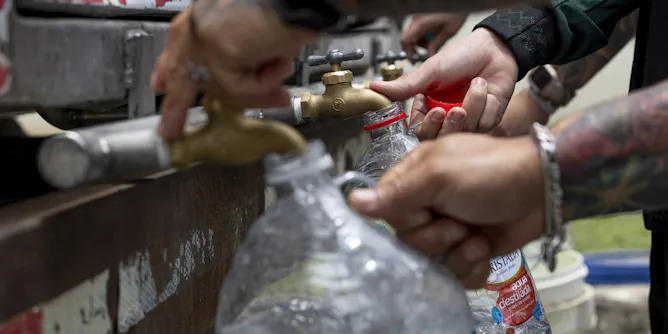
Drought and a ruptured pipeline have forced Puerto Rico into revolving water shut-offs. For many people, the disruption started years earlier, as did loss of faith in the utility.
Articles on FEMA
Displaying 1 - 20 of 49 articles
Legal scholars argue that when executive branch agencies impose conditions on federal funds, courts should give these cases special scrutiny.

Computer models of the storm hitting different areas show how much damage is possible, yet flood maps still focus on where flooding is most likely instead.
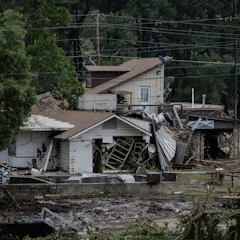
Priced out of ‘safe,’ more and more Americans are moving to flood plains and fire zones.
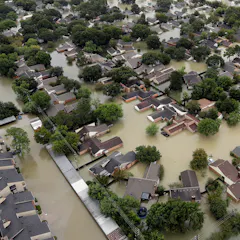
In general, people are moving to safer homes after disasters, but the vast majority are selling, meaning someone else is now taking on that risk. Buyout programs can help.
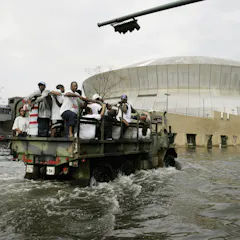
The 2005 hurricane was a disaster made worse by a lack of coordination and communication among governments and emergency leadership on the ground.

States used to be on their own when a disaster hit. Then the Great Mississippi River Flood of 1927 and the Dust Bowl showed why federal coordination was essential.
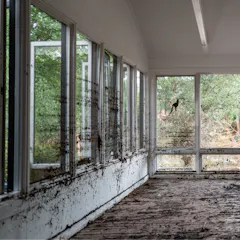
FEMA flood maps are essential tools for identifying flood risks, but they have significant coverage gaps, and politics can get in the way.
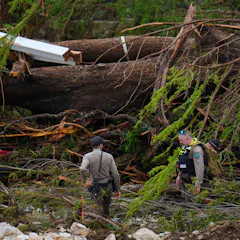
Funding cuts for crisis services in the US will cause long-term problems in its ability to predict and respond in emergencies.
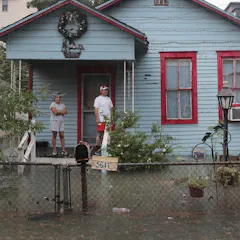
Low-income neighborhoods have the hardest time recovering from disasters without help. FEMA used to require cities to pay attention to them, but that’s changing.
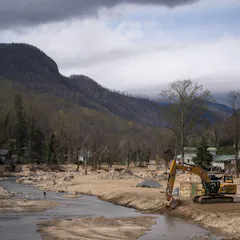
The Trump administration wants to abolish FEMA and hand disaster recovery over to states. But local officials are best positioned to help local people in a crisis.
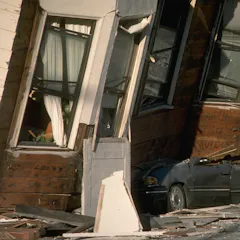
The US experiences violent earthquakes, but the damage and death toll is much lower than in many countries because of the work of federal seismologists and engineers.
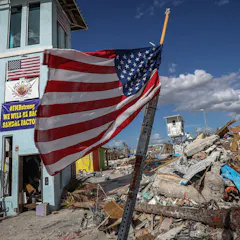
FEMA pools national resources to help states quickly manage disasters. Without that federal support, each state would be left to build its own expensive response capabilities.

Trump’s rhetoric about the future of FEMA is concerning, especially during ongoing disasters.
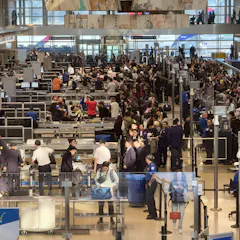
The Department of Homeland Security’s massive bureaucracy has many critical national security functions and spends billions of taxpayer dollars seeking to keep the nation safe.

Former U.S. President Jimmy Carter passed away at the age of 100. He was experienced in nuclear emergency response, and responsible for the formation of FEMA.

Disaster recovery isn’t just about repairing bridges, roads and homes. Conservationists from the Smithsonian were on the ground in North Carolina helping families piece their lives back together.
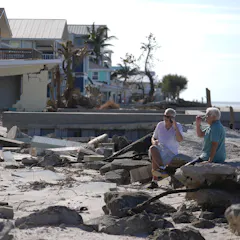
FEMA’s recovery work after Helene and Milton has been hampered by misinformation. Here’s what the agency actually does to help people displaced by disasters.

In 1935, a hurricane devastated the Florida Keys, killing over 400 people, many of them World War I veterans. Ernest Hemingway joined the relief efforts – and became enraged at government inaction.
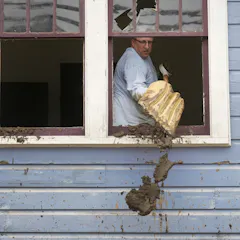
Disasters such as hurricanes Helene and Milton often hit low-income and other disadvantaged groups hardest. 2 policy experts suggest ways long-term aid could help.
Top contributors
-

Associate Professor of Landscape Architecture and Urban Planning, Texas A&M University
-
Professor of Sociology, Rice University
-
Professor of Landscape Architecture and Urban Planning, Texas A&M University
-
Assistant Professor, Disaster Research Center, University of Delaware
-
Associate Professor of Disaster and Emergency Management, York University, Canada
-
Professor of Quantitative Methods in the Social Sciences, City University of New York
-
Senior Spatial Research Analyst, Kinder Institute for Urban Research, Rice University
-
Associate Professor of Media Studies, University of Virginia
-
Professor of Policy Analysis, RAND School of Public Policy
-
Senior Lecturer, ARC DECRA Fellow and Victoria Fellow, RMIT University
-
Professor of Civil and Environmental Engineering and Director of the Vanderbilt Center for Environmental Management Studies, Vanderbilt University
-
Professor of Political Science, LaGrange College
-
Professor of Public and Environmental Affairs Emeritus, Indiana University
-
Professor of Sociology and Director, Disaster Research Center, University of Delaware
-
Assistant Professor of Sociology, Fitchburg State University