
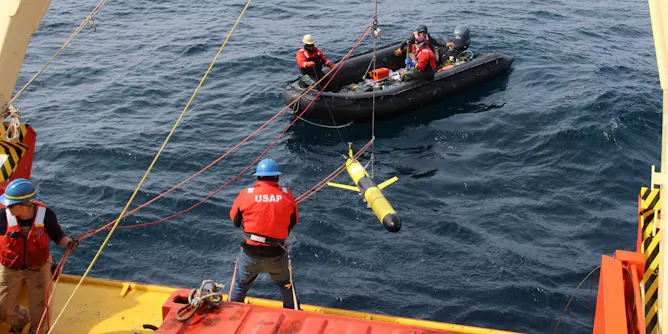
Sending autonomous vehicles to the Southern Ocean can be fraught with anxiety, especially if one of them doesn’t make radio contact when it’s supposed to.
Articles on Fisheries
Displaying 141 - 160 of 243 articles

Scientists are predicting major algae blooms in Lake Erie and large dead zones in the Chesapeake Bay and Gulf of Mexico this summer. Nutrient pollution from industrial corn farming is a major driver.
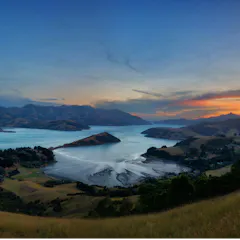
New Zealand has one of the world’s largest ocean territories, but the marine environment is at risk from climate change, pollution and fishing.
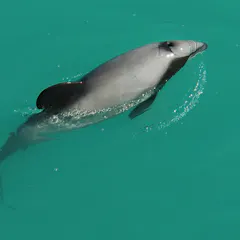
The endangered Hector’s dolphins are found only in coastal seas in New Zealand, but conservation experts describe New Zealand’s proposed protection plan for the marine mammals as misleading.
Fish farming has been criticised for a lack of sustainability – here’s what has been changing and what still remains a challenge.
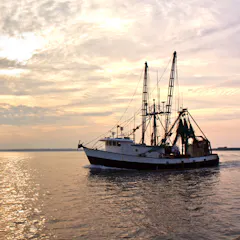
West Coast fisheries policy leaves the door open to speculative investors who see opportunity and can snap up fishing licences and quotas.
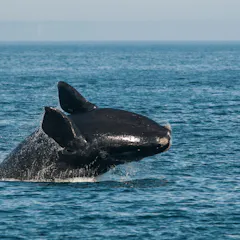
North Atlantic right whales are headed toward a traumatic extinction, but could rebound if humans can get out of their way.
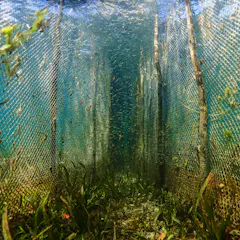
To ensure overall biodiversity, the intensity and impact of small-scale fisheries’ methods needs far more attention.
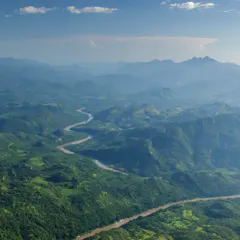
Thousands of hydropower dams are under construction around the world. New research shows that by cutting off sediment flow, these dams can have big ecological effects on far-off bays and deltas.
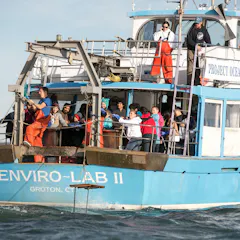
For decades, New England students took field trips out into the Long Island Sound. Their data show how quickly the sound is warming, leading to fewer American lobster, rock crab and winter flounder.
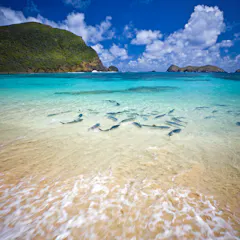
With strategic planning, the marine protected area network could be a third smaller, cost half as much, and still meet the international target of protecting 10% of every ecosystem.

Our new paper titled ‘DNA barcoding validates species labelling of certified seafood’ presents the largest and most comprehensive assessment of MSC-labelled products to date.
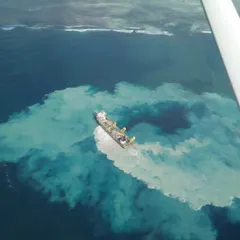
Kenya needs a national strategic environmental assessment which focuses on the use of sand for large scale construction.
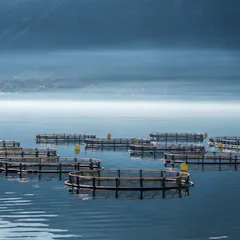
With proper regulation, Lake Victoria’s fisheries could increase production without damaging wild stocks or the environment.
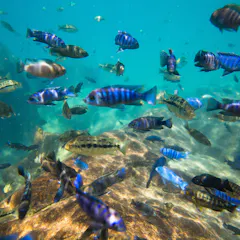
Lake Malawi is considered a biodiversity treasure because almost all its species occurs nowhere else on the planet.
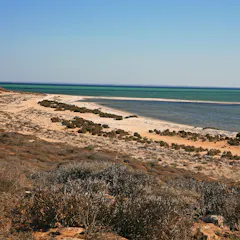
Everyone knows the Great Barrier Reef is in peril. But a continent away, Western Australia’s Shark Bay is also threatened by marine heatwaves that could alter this World Heritage ecosystem forever.
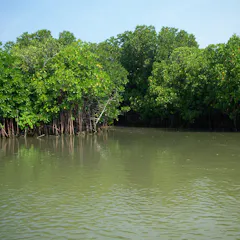
Mangrove forests along the world’s tropical and subtropical coasts store enormous quantities of ‘blue’ carbon – especially in river delta zones, where soil builds up quickly.
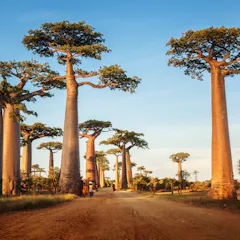
Without an array of ecosystems and species, it’s tough for farmers to grow crops or ranchers to raise animals.

Many people focus just on agriculture and new technologies for feeding the world’s growing population. Yet, fisheries are the centerpiece of billions of people’s diets.
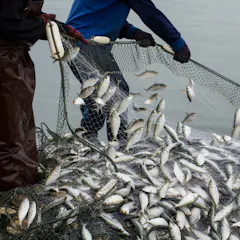
A lack of sustainability, profitability and transparency in the global fishing industry is exacerbating the problem of slave-like working conditions for crew. Here are the warning signs to look out for.
Top contributors
-

Lecturer in Sustainable Futures, University of St Andrews
-
Director & Professor, Fisheries Economics Research Unit, University of British Columbia
-
Assistant Professor, School of Energy, Geoscience, Infrastructure and Society // CEO MarFishEco Fisheries Consultant Ltd, Heriot-Watt University
-
Wen Family Chair in Conservation, The University of Western Australia
-
Affiliated Researcher, Fisheries Economics Research Unit, University of British Columbia
-
Associate Professor in Marine Biology, Swansea University
-
Honorary Fellow in Economics, The University of Queensland
-
Researcher in Ecosystem Dynamics, University of California, Santa Cruz
-
Professor of Aquatic Resources Development, University of Stirling
-
Director of CORDIO in East Africa and Adjunct Fellow, Pwani University
-
Associate Professor in Ocean Stewardship, Stockholm University
-
Adjunct Associate Professor, University of Guelph
-
Research Scientist, Fisheries & Marine Institute, Memorial University of Newfoundland
-
Emeritus Professor, The University of Western Australia
-
Distinguished University Professor and Adviser in Marine Studies, Oregon State University