
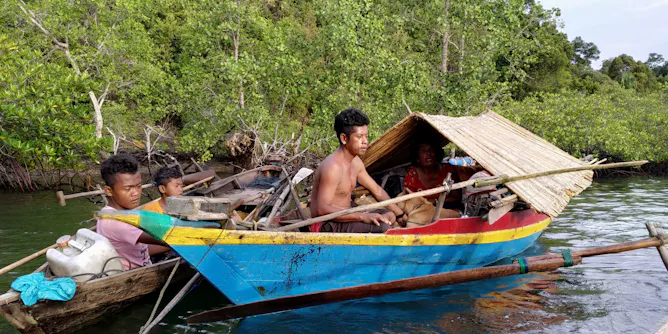
Traditional ecological knowledge of Indigenous peoples offers ways to adapt to climate impacts.
Articles on Fisheries
Displaying 121 - 140 of 243 articles
Thousands of dams across the US are aging and overdue for maintenance. Taking them down can revive rivers, restore fish runs and create new opportunities for tourism and outdoor activities.
Local fish are almost impossible to find on the shelves of grocery stores in northern Ontario, even though the region has an abundance of fish.
The patronage system – common in South-East Asia’s small-scale fisheries – indirectly perpetuates destructive fishing practices. However, opportunities exist to tap them as agents of change.
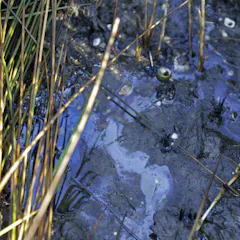
The 2010 Deepwater Horizon spill caused widespread damage in the Gulf of Mexico, but some parts of this complex ecosystem fared better than others.
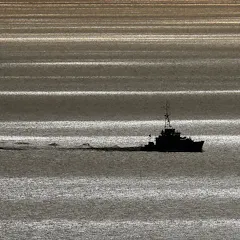
Brexit could make it make the UK’s maritime security more complicated.
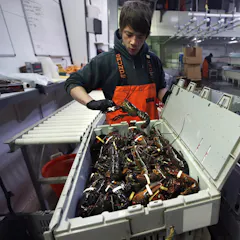
With restaurants closed and prices dropping, fishers are finding new ways to keep their business above water.
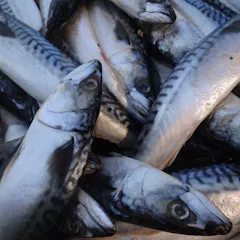
The Deepwater Horizon oil disaster catalyzed a decade of research on oil contamination in the Gulf of Mexico, from surface waters to the seabed, with surprising findings.
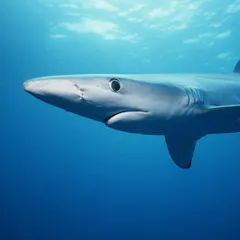
You won’t see a blue shark near the beach, but thanks to 50 years of tagging data, scientists are learning about their wide-ranging lives at sea.
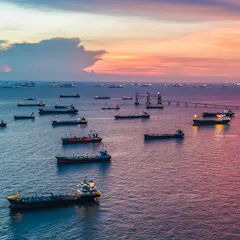
The Great Acceleration inaugurated the Anthropocene in the 1950s. Now, a similar race for resources and space is happening in the ocean.
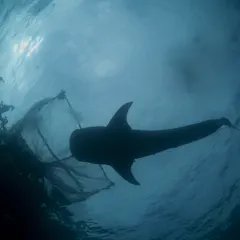
Shark fisheries in Indonesia are an important economic resource in several areas. Hence, stronger regulations are needed to prevent declines in shark population.

Although less well known than its cousins, coral reefs and mangroves, seagrass plays a crucial role in climate change mitigation.
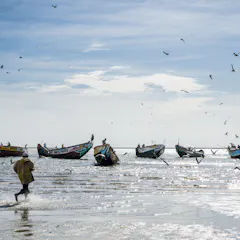
The EU continues to enter into fresh agreements with countries, despite evidence of serious population declines in the species of interest.
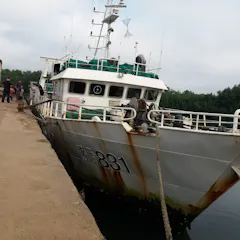
Despite its importance, Cameroon’s maritime fisheries sector is plagued with largely hidden, or ignored, fisheries crimes.
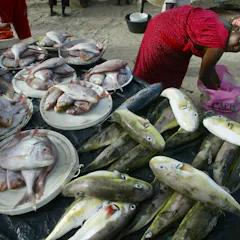
Small-scale fisheries buffer poverty and hunger in coastal countries.
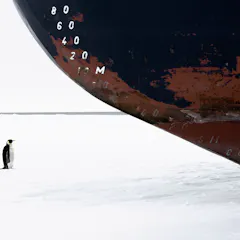
A new Intergovernmental Panel on Climate Change report makes clear human-induced climate change threatens the health and function of the ocean and cryosphere - the frozen regions of the Earth.

Fish can’t read maps, and their eggs and larvae drift across national boundaries. Recent research shows that local problems in one fishery can affect others across wide areas.
Coastal communities are helping scientists understand the impacts of marine heatwaves — and find solutions.
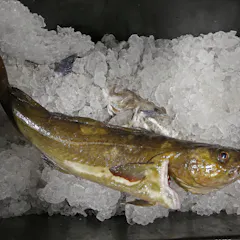
As the oceans warm, fish are moving to stay in temperature zones where they have evolved to live. This is helping some species, hurting others and causing a net reduction in potential catch.
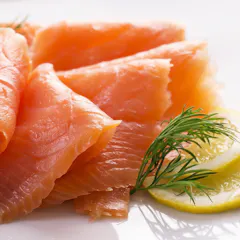
Food safety is in the news again, this tiime after reported deaths from listeria after eating smoked salmon. Here’s what we know so far and what you can do to cut your chance of getting sick.
Top contributors
-

Lecturer in Sustainable Futures, University of St Andrews
-
Director & Professor, Fisheries Economics Research Unit, University of British Columbia
-
Assistant Professor, School of Energy, Geoscience, Infrastructure and Society // CEO MarFishEco Fisheries Consultant Ltd, Heriot-Watt University
-
Wen Family Chair in Conservation, The University of Western Australia
-
Affiliated Researcher, Fisheries Economics Research Unit, University of British Columbia
-
Associate Professor in Marine Biology, Swansea University
-
Honorary Fellow in Economics, The University of Queensland
-
Researcher in Ecosystem Dynamics, University of California, Santa Cruz
-
Professor of Aquatic Resources Development, University of Stirling
-
Director of CORDIO in East Africa and Adjunct Fellow, Pwani University
-
Associate Professor in Ocean Stewardship, Stockholm University
-
Adjunct Associate Professor, University of Guelph
-
Research Scientist, Fisheries & Marine Institute, Memorial University of Newfoundland
-
Emeritus Professor, The University of Western Australia
-
Distinguished University Professor and Adviser in Marine Studies, Oregon State University