
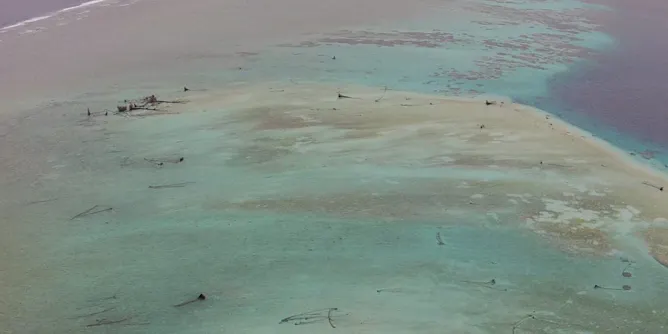
Due to rising sea levels, low-lying island nations are in immediate danger. If drastic measures are taken, this disastrous trend can be transformed into an opportunity for sustainable development.
Articles on Fisheries
Displaying 181 - 200 of 243 articles

A new study finds that even in best-case scenarios, the fishing communities most hurt by climate change are on small island nations such as Kiribati, the Solomon Islands and the Maldives.
The UN Ocean Conference provides a golden opportunity for countries to present their aspirations for sustainably growing their ‘blue’ economies.
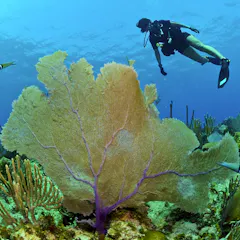
Cuban and US scientists are forming partnerships to protect coral reefs and fisheries in both countries. But President Trump may soon announce steps to slow or reverse the US opening to Cuba.
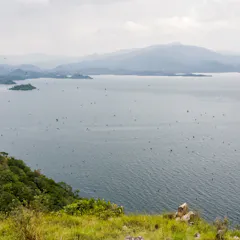
There are large amounts of methane and carbon dioxide dissolved in the deep waters of lake Kivu - if disturbed they could cause a catastrophe.
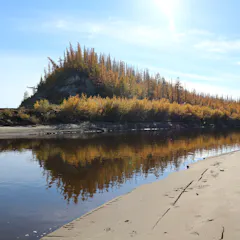
From luxuries like champagne to the very livelihoods of fishing communities in the developing world – the climate-driven shifts in species will affect us all.
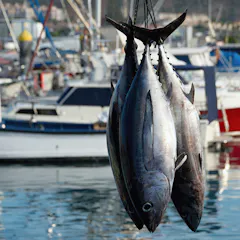
Recently revised guidelines on mercury in seafood suggest cutting bait on some fish but making sure you eat other types. Then there are omega-3s to consider. Here are some tips to help you choose.
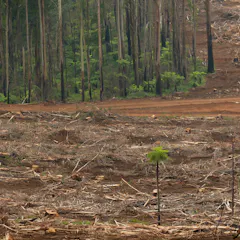
From fisheries to forestry, there’s a pattern to collapsing ecosystems and industries. If we can predict them, maybe we can avoid the damage.
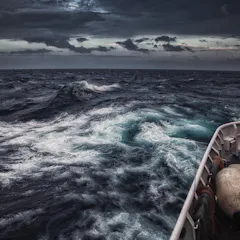
One of the environmental legacies of the Obama administration is ocean reserves. Two ocean scientists explain why these are a critical but not sufficient piece of conservation.

Prized species such as sea cucumbers are increasingly being poached from Australian waters. But if foreign aid can give fishing crews alternative livelihoods, the problem could ease.
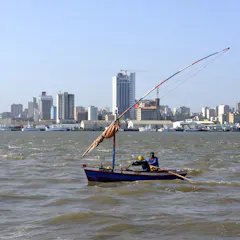
A deal intended to help southern African countries develop could instead turn them into an EU dumping ground for cheap goods.
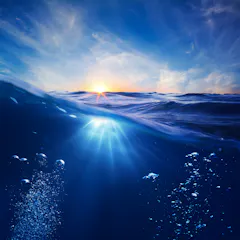
They ‘engulf living prey, suck out their innards, poison them, harpoon them, make them explode, and steal and reuse body parts’. And we ignore them at our peril.
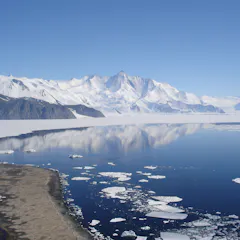
After years of stalled negotiations, China has ended its opposition to the world’s largest marine park off Antarctica - part of a wider trend towards increased Chinese involvement in global governance.

Global climate change is altering the chemistry of the oceans. A recent study suggests that the Pacific coast’s lucrative Dungeness crab fishery could suffer as ocean water becomes more acidic.
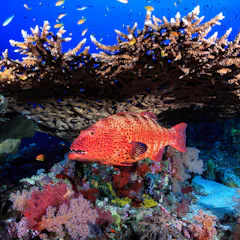
Not all of the world’s coral reefs are in dire straits. Reef fisheries tend to do better in areas with strong ownership rights, and where people are closely involved in managing their local reefs.

Tiny animals along for the ride, called epibionts, could be used as living data-loggers. Researchers can glean info from them that could help inform turtle-friendly fisheries management decisions.
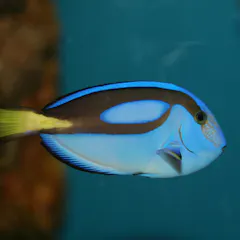
The release of the movie ‘Finding Dory’ comes with renewed calls to leave fish in reefs – a good idea in this case – but catching some ornamental fish can have a positive impact on reef communities.
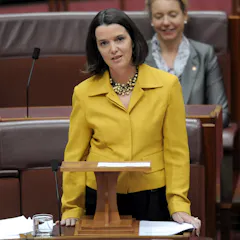
Was Assistant Minister for Agriculture and Water Resources Anne Ruston right to say that no solely-managed Commonwealth fishery is subject to overfishing?
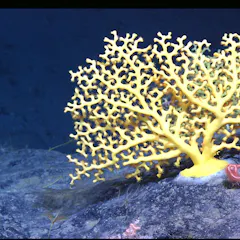
The open oceans are the world’s “wild west”, falling outside any nation’s jurisdiction. UN negotiations are aiming to draft new laws for the high seas.
There are no proper laws to combat fisheries crime. As a result, a number of organisations need to join forces to stop the problem.
Top contributors
-

Lecturer in Sustainable Futures, University of St Andrews
-
Director & Professor, Fisheries Economics Research Unit, University of British Columbia
-
Assistant Professor, School of Energy, Geoscience, Infrastructure and Society // CEO MarFishEco Fisheries Consultant Ltd, Heriot-Watt University
-
Wen Family Chair in Conservation, The University of Western Australia
-
Affiliated Researcher, Fisheries Economics Research Unit, University of British Columbia
-
Associate Professor in Marine Biology, Swansea University
-
Honorary Fellow in Economics, The University of Queensland
-
Researcher in Ecosystem Dynamics, University of California, Santa Cruz
-
Professor of Aquatic Resources Development, University of Stirling
-
Director of CORDIO in East Africa and Adjunct Fellow, Pwani University
-
Associate Professor in Ocean Stewardship, Stockholm University
-
Adjunct Associate Professor, University of Guelph
-
Research Scientist, Fisheries & Marine Institute, Memorial University of Newfoundland
-
Emeritus Professor, The University of Western Australia
-
Distinguished University Professor and Adviser in Marine Studies, Oregon State University