
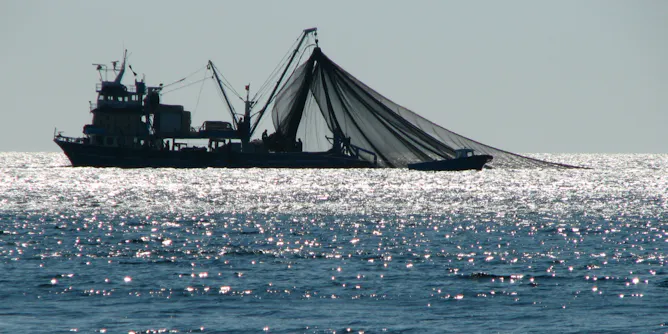
Fish numbers are rapidly dwindling globally, and fishery subsidies are one of the key drivers behind this decline.
Articles on Fisheries
Displaying 201 - 220 of 243 articles
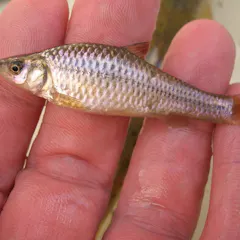
A small invasive fish known as the topmouth gudgeon has already wreaked havoc on European species and its arrival to the US and South America is only a matter of time.

The combination of local fishing rights with adjacent marine reserves creates incentives to avoid overfishing and could improve nearshore, small-scale fisheries around the world.
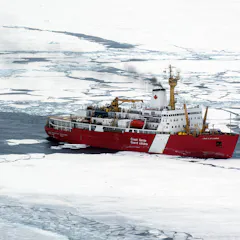
A melting Arctic means new areas will be open to commercial fishing but scientists – and bordering countries – say they need time to study the ecological and economic risks.
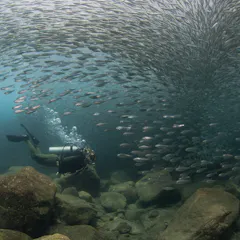
Over the past 80 years sardine and anchovy have become icons of modern-day marine biology, oceanography and climate research.
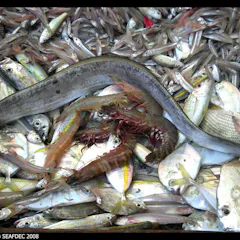
Spreading fishing pressure evenly across whole marine ecosystems sounds like a great idea. But there’s a hitch – we can’t technologically do it, and even if we could, it would be expensive.
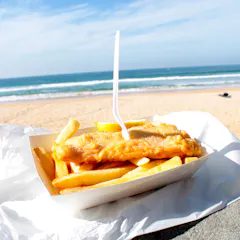
Flake is great with steaming hot chips. But what fish species is it, and is it sustainable? In Australia, it’s mainly gummy shark, which is a sustainable choice. But beware poorly labelled imitations.
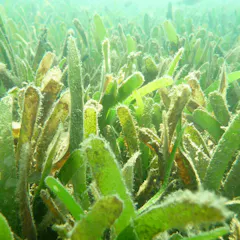
Australia’s network of marine parks - a decade in the making and announced in 2012 - haven’t been implemented yet, and the Abbott government has already placed the plans under review. Why the hurry?
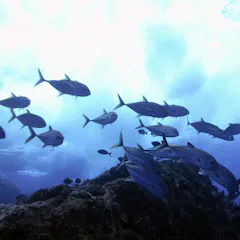
Scuba-diving scientists devise method for gauging the health of coral reefs – a vital ecosystem for keeping fisheries sustainable for people.
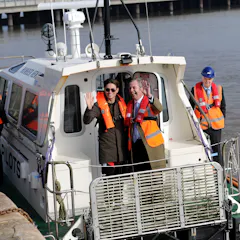
UKIP leader Nigel Farage has said EU fisheries policies means the UK gives away the majority of its fish. Is he right?
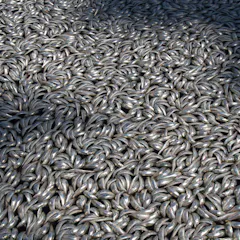
The oxygen is being sucked out of the ocean, and while much of it is happening far below the surface, it will still affect us above.
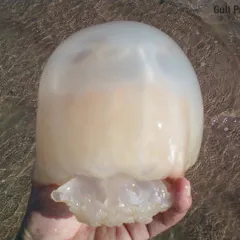
In a changing climate, ocean populations sometimes rise and fall in unpredictable waves. Scientists, managers and fishers must make economically and ecologically sound decisions based on long-term outlooks.
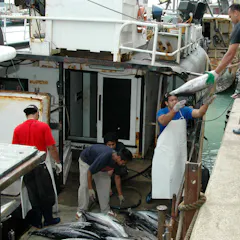
A tiny handful of Pacific island nations control more than 50% of the world’s tuna fishery, and their efforts to monitor international fishing vessels are set to become a major source of jobs.
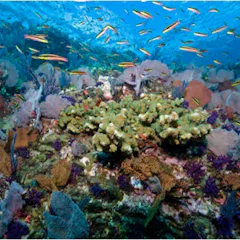
We know that fishing has significant impacts on our oceans and the animals that live in them. Effects can range from habitat modification caused by bottom trawls, stock declines from overfishing or subtler…
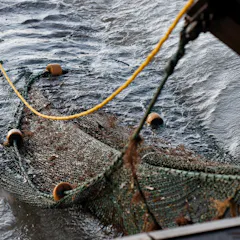
Trawling – dragging heavy gear over ocean bottoms in search of fish near the sea floor – is arguably one of the most destructive human practices. Removing fish from the sea for an ever-hungry, growing…
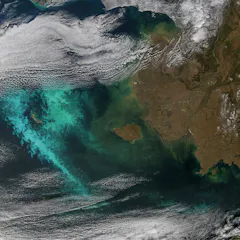
You may not have heard of them or given them much thought, but phytoplankton — the microscopic plants that grow throughout the world’s oceans — are the foundation of oceanic food webs. Although tiny, they…
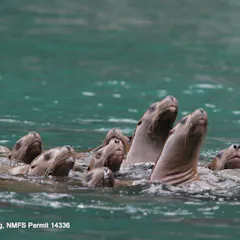
A decade ago, we set out to unravel deep ocean crime scenes we weren’t even sure existed. The crime? Endangered Steller sea lions were rapidly disappearing in parts of Alaska. Their numbers dropped by…
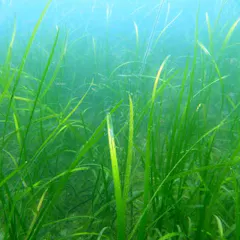
Seagrass is one of the most important coastal habitats where young ocean-going fish such as Atlantic cod can grow and develop before setting out on the journey of life. But these critically important habitats…
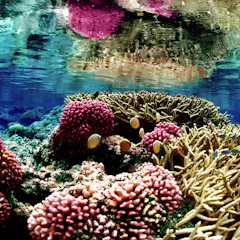
This fall, President Obama signed a proclamation that created the biggest marine reserve in the world. By extending the protective boundaries around Wake Island, Jarvis Island and Johnston Atoll from 50…
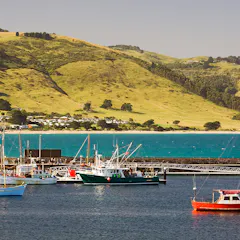
Australia’s coastal towns, many built around fisheries and tourism, are particularly vulnerable to climate change. South east and south west Australia are marine hotspots — they are warming much faster…
Top contributors
-

Lecturer in Sustainable Futures, University of St Andrews
-
Director & Professor, Fisheries Economics Research Unit, University of British Columbia
-
Assistant Professor, School of Energy, Geoscience, Infrastructure and Society // CEO MarFishEco Fisheries Consultant Ltd, Heriot-Watt University
-
Wen Family Chair in Conservation, The University of Western Australia
-
Affiliated Researcher, Fisheries Economics Research Unit, University of British Columbia
-
Associate Professor in Marine Biology, Swansea University
-
Honorary Fellow in Economics, The University of Queensland
-
Researcher in Ecosystem Dynamics, University of California, Santa Cruz
-
Professor of Aquatic Resources Development, University of Stirling
-
Director of CORDIO in East Africa and Adjunct Fellow, Pwani University
-
Associate Professor in Ocean Stewardship, Stockholm University
-
Adjunct Associate Professor, University of Guelph
-
Research Scientist, Fisheries & Marine Institute, Memorial University of Newfoundland
-
Emeritus Professor, The University of Western Australia
-
Distinguished University Professor and Adviser in Marine Studies, Oregon State University