
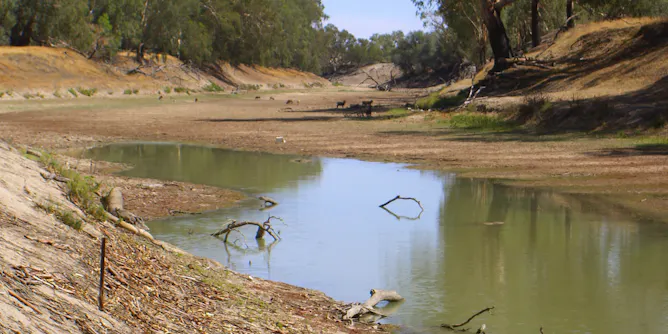
A decade of bipartisan research has provided plenty of answers to the problems plaguing the Darling River.
Articles on Fish
Displaying 281 - 300 of 495 articles

A few decades ago Boston Harbor was one of the nation’s dirtiest water bodies. Now, healthier fish in the harbor underscore that a multibillion-dollar cleanup has succeeded.
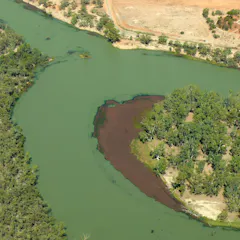
Algae blooms have killed hundreds of thousands of fish in the last two weeks, but what exactly are they and how do we get them under control?
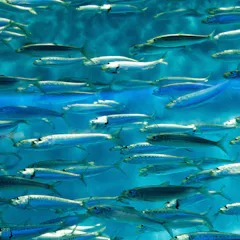
For the most nutritious and sustainable seafood option, try small ocean fish.
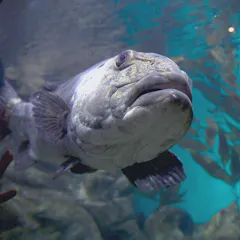
Increase of carbon dioxide in the ocean affects the way fish detect predators, mates or food and could threaten not only individual fish but entire populations.

Drastic oxygen losses in the world’s oceans millions of years ago coincided with mass extinctions. Scientists see this as a warning about how climate change could affect oceans today.
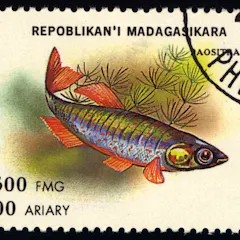
The mummichog is a little-known fish that has made significant contributions to biological knowledge.

Food fraud, the centuries-old problem that won’t go away
The Conversation55.8 MB (download)
Dairy farmers used to put sheep brains and chalk in skim milk to make it look frothier and whiter. Coffee, honey and wine have also been past targets of food fraudsters. Can the law ever keep up?
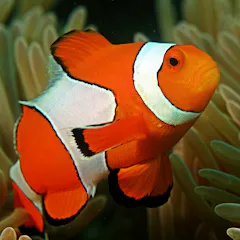
Our children all know the little clownfish Nemo, star of the Pixar film. But why does he have three stripes, rather than one or two? Developmental and evolutionary biology are revealing the answer.
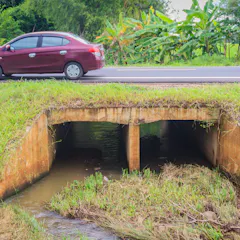
Our new invention tackles one of the greatest impediments to fish migration in Australia: culverts, those tunnels or drains often found under roads.
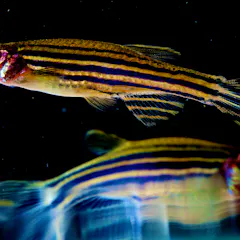
Zebrafish are known for their black and gold stripes, but researchers are still figuring out how pigment cells interact to form these patterns.
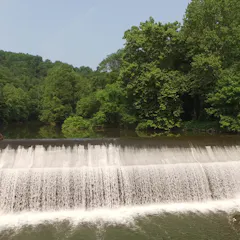
When a dam comes down this fall, a team of scientists will be there to track the environmental changes.

When it comes to small-scale fisheries, there is no one route to sustainability. Finding success stories can help map those paths.

Harnessing the awe-inspiring living light and power of bioluminescent organisms could change the human world.
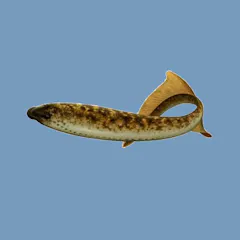
Sexual organs similar to what we see in sharks and rays today appeared many millions of years ago in much more primitive ancient fishes than was previously thought.
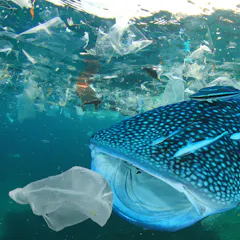
If we are truly invested in addressing the issue of marine plastic and offsetting the potential harms, we have to understand which fish eat plastic and which ones don’t.
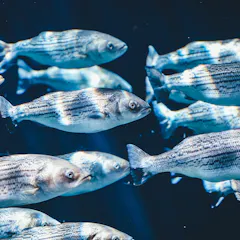
Australia’s oceans are warming faster than the global average, and fish are moving south as a result.
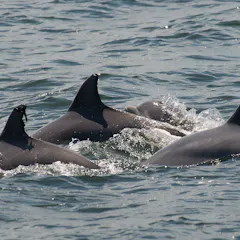
How can marine preserves best protect sea creatures that move in and out of them? Two ocean scientists describe new thinking about designing marine protected areas.
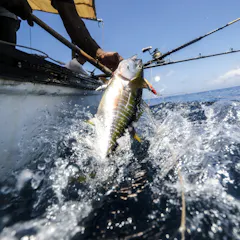
Australia was thought to have some of the most sustainable fisheries in the world, but a recent count has found that fish numbers have plummeted by a third.

New study in mice shows that omega-3 in mother protects babies’ gut health for life.
Top contributors
-

Emeritus Strategic Professor in Palaeontology, Flinders University
-
Professor, Macquarie University
-
Executive Director and Professor of Fisheries and River Management, Gulbali Institute (Agriculture, Water and Environment), Charles Sturt University, Charles Sturt University
-
Matthew Flinders Professor of Biodiversity Genomics, Flinders University
-
Adjunct associate in freshwater fisheries ecology and management, University of Canberra
-
Associate Professor in Ecology, Charles Sturt University
-
Postdoctoral Fellow in Vertebrate Palaeontology, Flinders University
-
Research Associate in the College of Science and Engineering, Flinders University
-
Postdoctoral Research Associate at the School of Biosciences, Cardiff University
-
Chief Research Scientist - Environment, CSIRO
-
Professor, University of Wollongong
-
Associate Professor of Neuroscience and Behavioural Analysis, University of Surrey
-
Professor of Marine biology, The University of Melbourne
-
Freshwater Ecologist, Charles Sturt University
-
Associate Professor in Marine Biology, Swansea University