
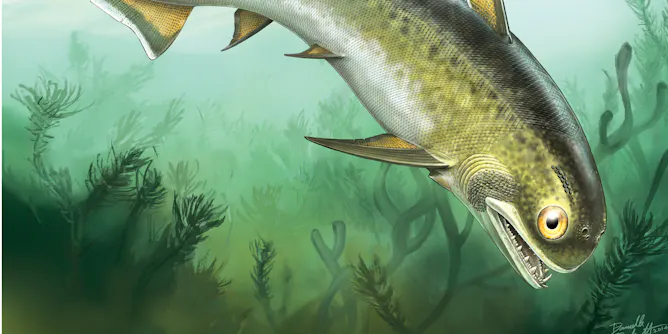
Scientists have long believed that sharks were the first vertebrates to evolve teeth. Our new study reveals a more complex history.
Articles on Fish
Displaying 201 - 220 of 495 articles
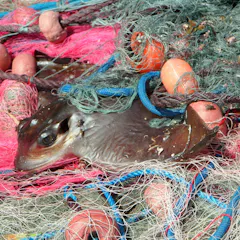
Tackling bycatch in large-scale fishing can make our seafood habit more sustainable
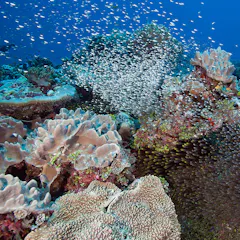
Scientists watched in real time as rising ocean heat transformed the sprawling reef. It was a harbinger for ecosystems everywhere as the planet warms.
You share the same drug habits, the same age-related memory problems and are similarly impatient when forced to wait for food.

A parent’s or grandparent’s stressful experiences change how their offspring behave. And it turns out that moms’ experiences produce different changes in kids than dads’.
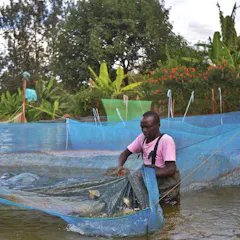
Aquaculture is a growing source of healthy protein for millions of people around the world, but there are big differences between farming fish on land and at sea.
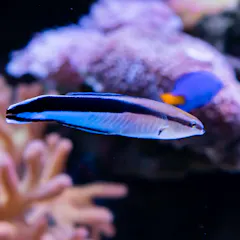
Cleaner fish feed on the parasites that live on other fish. Studying communication between cleaner fish and their clients may help employ them in salmon farms, which can be plagued by parasites.
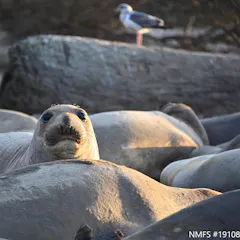
By measuring how and when elephant seals sleep, researchers were able to figure out how elephant seals change their risk-taking behavior as they gain weight.
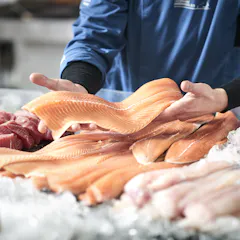
When fish are out of water, consumers are out of their depth.
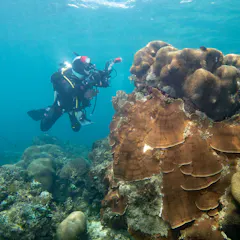
I helped survey coral reefs in Norfolk Island for the first time in eight years, and snapped marine life we didn’t expect to see there.
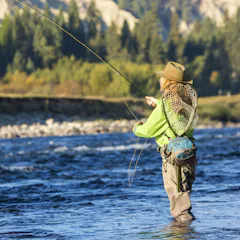
Groundwater was once thought to buffer streams from warming, but an inexpensive new technique shows streams fed by shallow groundwater may be just as susceptible as those without.
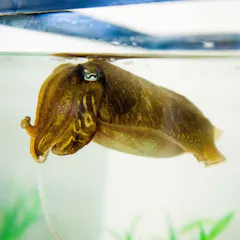
A marine version of the Stanford marshmallow experiment helped show cuttlefish can delay gratification.
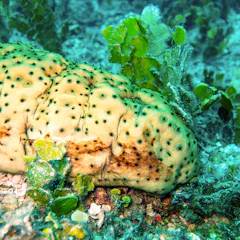
We are only just beginning to understand the importance of this deep and hidden area of the inter-reef that supports a rich diversity of marine life.
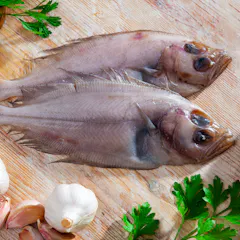
Research suggests that the name of a product affects our perceptions of it – before we have even tried it.
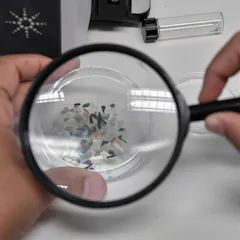
As more and more plastic trash permeates the oceans, fragments are making their way into fish and shellfish – and potentially into humans.

Young fish need to find food to grow, but avoid being eaten themselves. That dance for survival is linked to moonlight, which has implications for fisheries management everywhere.
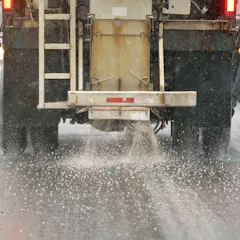
De-icing salts help us get around in winter, but they corrode cars, crack roads and contaminate rivers and lakes. Scientists are working to develop better options by imitating natural antifreezes.

In the UK alone, around one in 11 children have asthma.
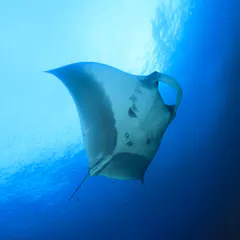
A high seas treaty could help rebuild populations – but time is running out.
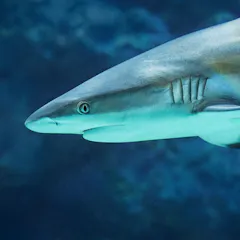
Rather than breathing in and out through the mouth, fish use a one-way system, passing water in one direction over their gills.
Top contributors
-

Emeritus Strategic Professor in Palaeontology, Flinders University
-
Professor, Macquarie University
-
Executive Director and Professor of Fisheries and River Management, Gulbali Institute (Agriculture, Water and Environment), Charles Sturt University, Charles Sturt University
-
Matthew Flinders Professor of Biodiversity Genomics, Flinders University
-
Adjunct associate in freshwater fisheries ecology and management, University of Canberra
-
Associate Professor in Ecology, Charles Sturt University
-
Postdoctoral Fellow in Vertebrate Palaeontology, Flinders University
-
Research Associate in the College of Science and Engineering, Flinders University
-
Postdoctoral Research Associate at the School of Biosciences, Cardiff University
-
Chief Research Scientist - Environment, CSIRO
-
Professor, University of Wollongong
-
Associate Professor of Neuroscience and Behavioural Analysis, University of Surrey
-
Professor of Marine biology, The University of Melbourne
-
Freshwater Ecologist, Charles Sturt University
-
Associate Professor in Marine Biology, Swansea University