

A new study shows high-fibre brown rice also contains more arsenic than white rice – so which is better for you?
Articles on Fish
Displaying 241 - 260 of 495 articles
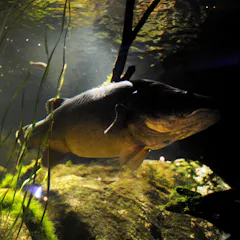
Fish must be released into good quality water, with suitable habitat and lots of food. These conditions have been quite rare in Murray Darling rivers in recent years.
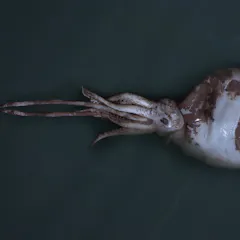
Colossal squid have eyes the size of soccer balls, and can weigh up to 700kg. That’s a lot of calamari!
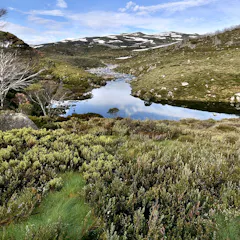
The NSW government is soon expected to grant environmental approval to Snowy 2.0. But that process should be halted.
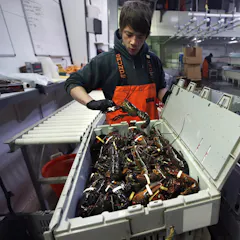
With restaurants closed and prices dropping, fishers are finding new ways to keep their business above water.
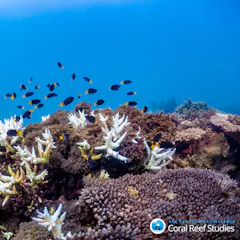
From a scientific perspective, the results are fascinating and world-first. From a personal perspective, what I saw will stay with me for a long time.

The arrangement of bones in our specimen’s fins are the same as those of ‘fingers’ in tetrapods. The only difference is the digits are locked within the fin, and not free moving.
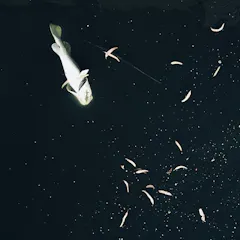
Fish, frogs, turtles and platypus at major risk of extinction following the bushfires. So why aren’t they getting much attention?
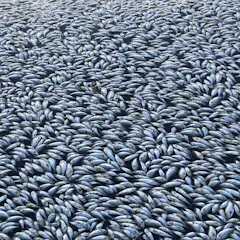
Recent rains have not eliminated the threat of a repeat of last summer’s mass fish deaths.
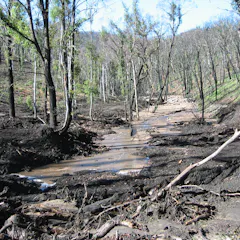
Fire debris flowing into Murray-Darling Basin will exacerbate the risk of fish and other aquatic life dying en masse in a repeat of the shocking fish kills of last summer.

Regulations have lowered mercury emissions globally, but the risks to ocean ecosystems and human health may be getting worse.
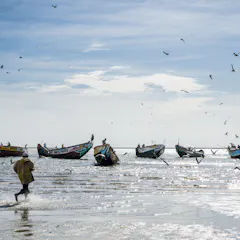
The EU continues to enter into fresh agreements with countries, despite evidence of serious population declines in the species of interest.
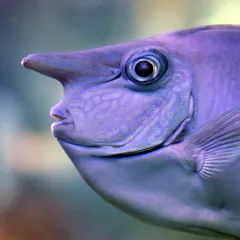
Fish may not have eyelids to close, but they sleep – and perhaps even dream.

Consumers are increasingly concerned about the sustainability of their fish.
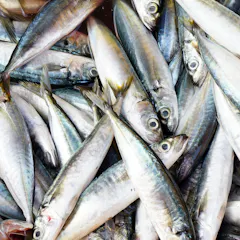
Nutritious fish are being diverted away from countries that could benefit from them the most.

Fish can’t read maps, and their eggs and larvae drift across national boundaries. Recent research shows that local problems in one fishery can affect others across wide areas.
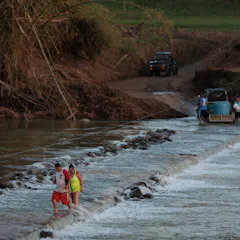
Big storms with lots of flooding, like hurricanes Dorian and Maria, actually restore the Caribbean’s delicate balance between native and nonnative fish species, new research finds.

Scientists are left with two conclusions. Either Nessie is an eel, or she never existed at all.
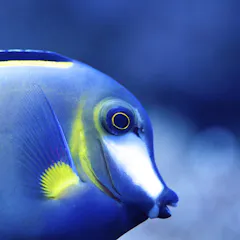
Fish that live in the sea have found amazing ways to control the amount of water and salt in their bodies, and stay hydrated.
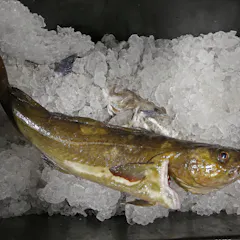
As the oceans warm, fish are moving to stay in temperature zones where they have evolved to live. This is helping some species, hurting others and causing a net reduction in potential catch.
Top contributors
-

Emeritus Strategic Professor in Palaeontology, Flinders University
-
Professor, Macquarie University
-
Executive Director and Professor of Fisheries and River Management, Gulbali Institute (Agriculture, Water and Environment), Charles Sturt University, Charles Sturt University
-
Matthew Flinders Professor of Biodiversity Genomics, Flinders University
-
Adjunct associate in freshwater fisheries ecology and management, University of Canberra
-
Associate Professor in Ecology, Charles Sturt University
-
Postdoctoral Fellow in Vertebrate Palaeontology, Flinders University
-
Research Associate in the College of Science and Engineering, Flinders University
-
Postdoctoral Research Associate at the School of Biosciences, Cardiff University
-
Chief Research Scientist - Environment, CSIRO
-
Professor, University of Wollongong
-
Associate Professor of Neuroscience and Behavioural Analysis, University of Surrey
-
Professor of Marine biology, The University of Melbourne
-
Freshwater Ecologist, Charles Sturt University
-
Associate Professor in Marine Biology, Swansea University