
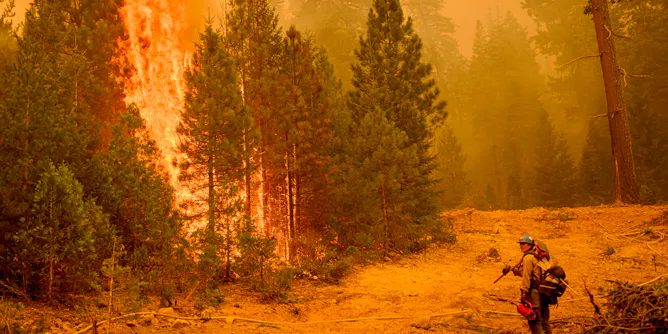
Wildfire strategy tends to break into three distinct camps today, each focusing heavily on one approach over the others. Successful management requires them all.
Articles on Fire risk
Displaying 1 - 20 of 58 articles

New research measures the effectiveness of peat restoration on wildfire risk.

Evacuations in the face of a wildfire, hurricane or other disaster are stressful and can take more time than you might expect. Here’s why practice helps and what to think about.
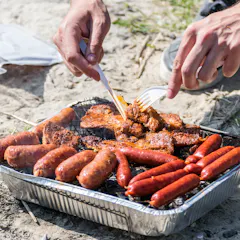
Disposable BBQs are a major, yet preventable, fire risk. Other picnics are a better bet.
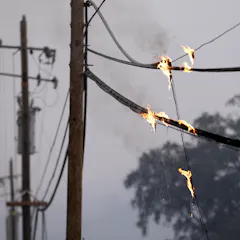
Utilities face a dilemma: How to deliver power through dry, windy regions without accidentally starting a catastrophic fire.

Every year, the number of human-caused fires spikes on July 4, and many of them are related to fireworks. When trees and grasses are dry and the temperature high, the risk rises even more.
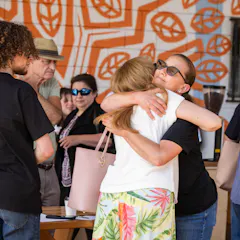
Managing fire risk is about more than regulations and rules. It’s also about caring for neighbors and taking steps on your own property and in your community to help keep neighbors safe.
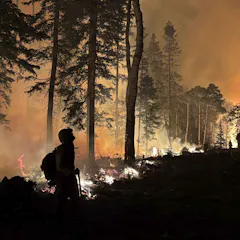
The Trump administration and members of Congress propose cutting environmental reviews and public involvement to boost logging. But data show reviews aren’t the problem.
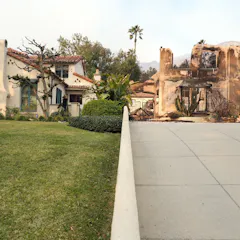
Hedges and trees may actually reduce home exposure to radiant heat and flying embers, but they must be well maintained. Two scientists who study how plants burn explain.
Public safety shutoffs are becoming routine in fire-prone areas. But when the grid goes down, so do digital transactions.

A fire in a nightclub in North Macedonia is the latest in a long string of such tragedies. Why are nightclubs so risky for fires?
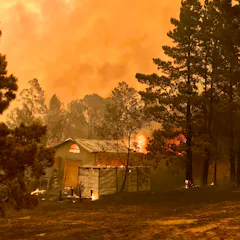
Older homes are more at risk from bushfires. Retrofitting can make your house more likely to weather a fire.
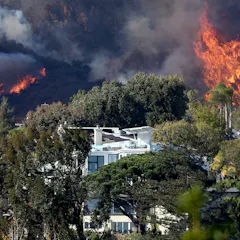
In many parts of the US, Americans must learn to live with fire. That means careful decisions on where homes are built and what’s around them, and allowing more low-risk fires to burn.
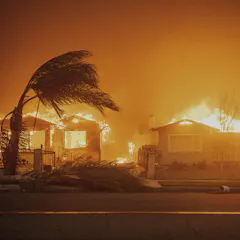
We knew this would happen eventually. We have moved from possible futures to these things now happening. The deferment has ended.
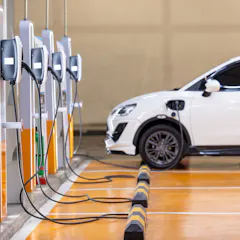
As batteries get bigger, they pose a bigger fire risk, but some are more dangerous than others.
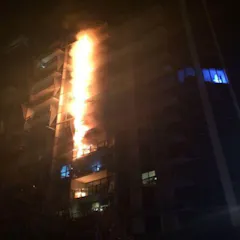
The 2014 Lacrosse fire was costly, but no lives were lost, unlike the 2017 Grenfell Tower fire that claimed 72 lives. Years later, more work is needed in four key areas to ensure buildings are safe.
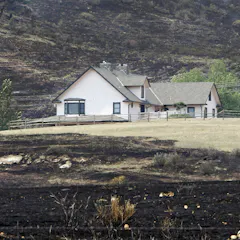
Roofs, windows and siding all affect how vulnerable a home is and how likely it is to survive a wildfire. So does what’s around it in the ‘home ignition zone.’
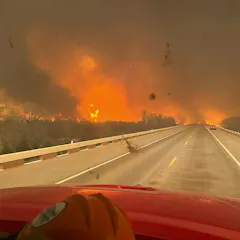
An analysis of 88 million wildfire observations over the past 21 years shows a strong increase in the frequency and intensity of the most extreme fires around the world.

There’s a strong case to be made for private landholders to conduct their own cool burns, for dual purposes of reducing fuel load and restoring the ecology.
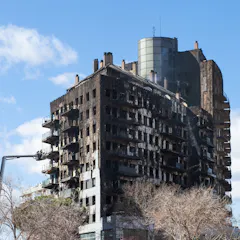
Following the tragic, devastating apartment block fire in Eastern Spain, questions are being asked about fire safety, and how it can keep pace with new technology and construction techniques.
Top contributors
-

Adjunct Professor of Architecture, University of Technology Sydney
-
Associate Professor of Civil Engineering, Boise State University; United Nations University
-
Associate Professor in Property, Construction and Project Management, RMIT University
-
Wildfire Specialist, University of California Cooperative Extension; Adjunct Professor at the Bren School, University of California at Santa Barbara, University of California, Santa Barbara
-
Professor of Forest and Natural Resource Policy, Colorado State University
-
Catedrático en instalaciones y sistemas energéticos en arquitectura y urbanismo, Universidad de Navarra
-
Director, Glowpear, Board member, ISDRS, Vice President, AHA and Senior Lecturer in Industrial Design, RMIT University
-
Associate Dean, School of Property, Construction and Project Management, RMIT University
-
Professor of Pyrogeography and Fire Science, University of Tasmania
-
Investigador postdoctoral en ingeniería de seguridad contra incendios, Universidad de Navarra
-
Professor of Marketing, University of Montana
-
Research Fellow in Environmental Science, University of Tasmania
-
Architectural Technologist and Urban Designer, Nottingham Trent University
-
Adjunct associate in archaeology, Flinders University
-
Lecturer, Marketing & Design Thinking, RMIT University