
It will take time to digest the details of the 830-plus page report from phase one of the inquiry, but there are clear improvements to be made.
Articles on Fire risk
Displaying 41 - 58 of 58 articles
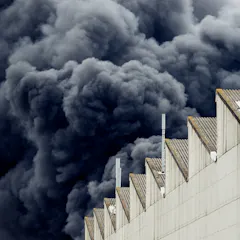
Ensuring a building will be safe against fire requires careful consideration from not only fire engineers, but also from builders, architects and building owners.
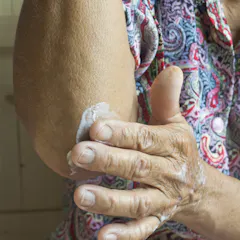
Common emollients used to treat skin conditions are a hidden fire risk in most homes.
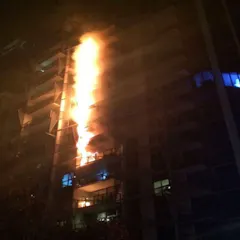
Estimated costs for Victoria alone range from hundreds of millions to as much as $1.6 billion If work to rectify buildings fitted with combustible cladding isn’t well handled.
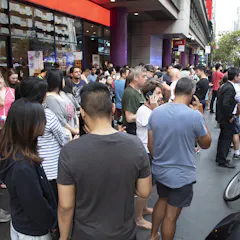
Years of regulatory failure are having direct impacts on the hip pockets of the many Australians who bought defective houses or apartments. It’s turning into a multibillion-dollar disaster.
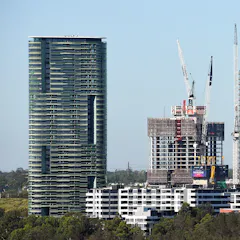
Under the new code, buildings are hardly likely to differ measurably from their fault-ridden older siblings and can still fall short of a six-star rating. It’s possible they may have no stars!
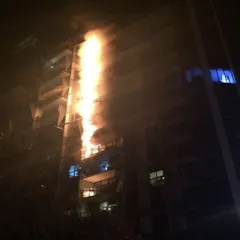
Architects, certifiers and engineers who work as consultants to builders are on notice about potential liability for the use of flammable cladding, but governments are also culpable for their actions.
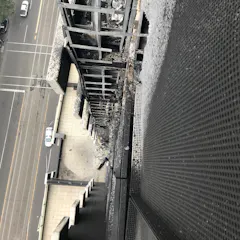
The risks of combustible cladding on high-rise buildings have long been known. And audits have identified hundreds of Australian buildings with this cladding. Delay in replacing it is inexcusable.
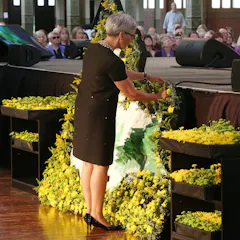
The Black Saturday fires transformed the way Australia responds to bushfires.
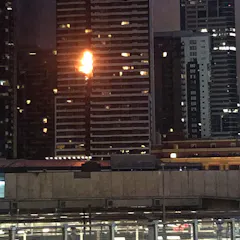
Fortunately, no lives were lost in the latest cladding fire in Melbourne, but it’s a stark reminder of the urgent need to track and verify that building materials comply with safety standards.
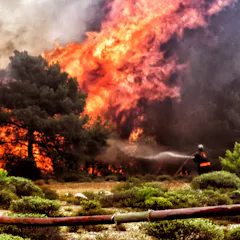
But humans can counteract global warming impacts by creating more fire-resilient societies.
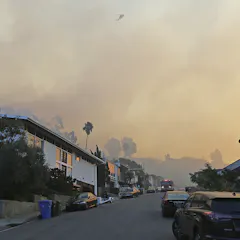
With wildfires continuing to rage across southern California, a fire researcher says lowering fire risk means reconsidering where and how we build our communities.
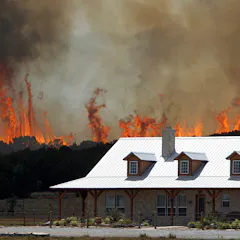
Many countries around the world are vulnerable to wildfires, but a fire engineer warns that most are not spending enough on research into how fires spread and ways to reduce risks.
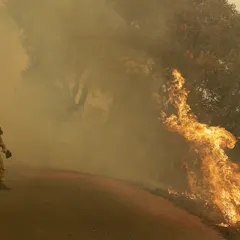
The media and policymakers often say a ‘perfect storm’ of environmental factors cause wildfires but that ignores the role of irresponsible urban planning and development in raising fire risks.
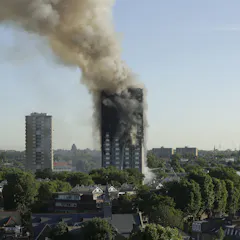
There are physical, cultural and legal reasons why fire prevention measures didn’t avert the tragedy at the Grenfell Tower – and other buildings are still at risk.
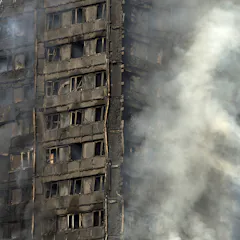
There are three key principles: prevent risk, evacuate users and minimise damage – in that order.
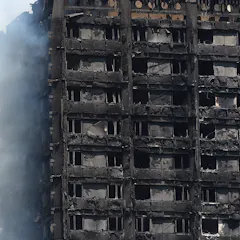
Massive damage and suffering was caused when a London tower block became an inferno.

They used to be boring. Now they’re little arsonists.
Top contributors
-

Adjunct Professor of Architecture, University of Technology Sydney
-
Associate Professor of Civil Engineering, Boise State University; United Nations University
-
Associate Professor in Property, Construction and Project Management, RMIT University
-
Wildfire Specialist, University of California Cooperative Extension; Adjunct Professor at the Bren School, University of California at Santa Barbara, University of California, Santa Barbara
-
Professor of Forest and Natural Resource Policy, Colorado State University
-
Catedrático en instalaciones y sistemas energéticos en arquitectura y urbanismo, Universidad de Navarra
-
Director, Glowpear, Board member, ISDRS, Vice President, AHA and Senior Lecturer in Industrial Design, RMIT University
-
Associate Dean, School of Property, Construction and Project Management, RMIT University
-
Professor of Pyrogeography and Fire Science, University of Tasmania
-
Investigador postdoctoral en ingeniería de seguridad contra incendios, Universidad de Navarra
-
Professor of Marketing, University of Montana
-
Research Fellow in Environmental Science, University of Tasmania
-
Architectural Technologist and Urban Designer, Nottingham Trent University
-
Adjunct associate in archaeology, Flinders University
-
Lecturer, Marketing & Design Thinking, RMIT University