
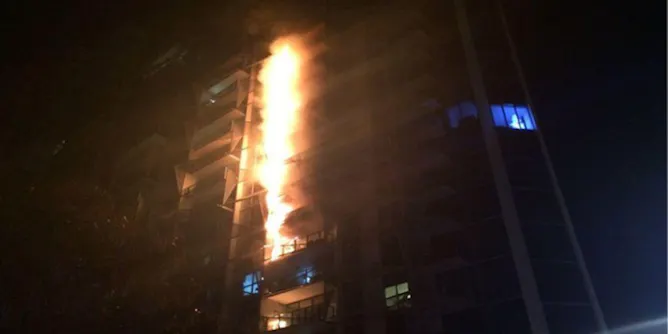
The 2014 Lacrosse fire was costly, but no lives were lost, unlike the 2017 Grenfell Tower fire that claimed 72 lives. Years later, more work is needed in four key areas to ensure buildings are safe.
Articles on Lacrosse fire
Displaying all articles

Since the Grenfell Tower fire claimed 72 lives in 2017, Australia has identified flammable cladding on more than 3,400 buildings. Despite apartment owners’ fears and rising costs, few have been fixed.
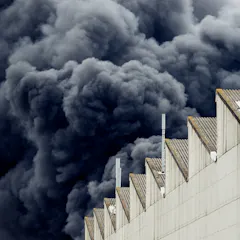
Ensuring a building will be safe against fire requires careful consideration from not only fire engineers, but also from builders, architects and building owners.
Estimated costs for Victoria alone range from hundreds of millions to as much as $1.6 billion If work to rectify buildings fitted with combustible cladding isn’t well handled.
Years of regulatory failure are having direct impacts on the hip pockets of the many Australians who bought defective houses or apartments. It’s turning into a multibillion-dollar disaster.
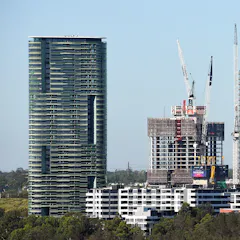
Under the new code, buildings are hardly likely to differ measurably from their fault-ridden older siblings and can still fall short of a six-star rating. It’s possible they may have no stars!
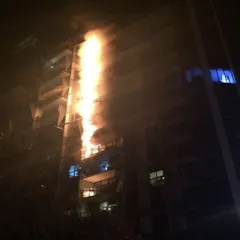
Architects, certifiers and engineers who work as consultants to builders are on notice about potential liability for the use of flammable cladding, but governments are also culpable for their actions.
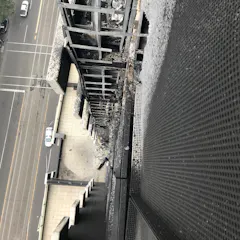
The risks of combustible cladding on high-rise buildings have long been known. And audits have identified hundreds of Australian buildings with this cladding. Delay in replacing it is inexcusable.

As more and more Australians live and work in high-rise buildings, their responsibilities and roles in ensuring all occupants’ safety must not be neglected.
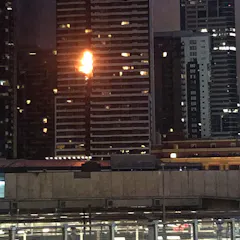
Fortunately, no lives were lost in the latest cladding fire in Melbourne, but it’s a stark reminder of the urgent need to track and verify that building materials comply with safety standards.
Top contributors
-

Adjunct Professor of Architecture, University of Technology Sydney
-
Associate Professor in Property, Construction and Project Management, RMIT University
-
Director, Glowpear, Board member, ISDRS, Vice President, AHA and Senior Lecturer in Industrial Design, RMIT University
-
Associate Dean, School of Property, Construction and Project Management, RMIT University
-
Research Fellow, School of Civil Engineering, The University of Queensland
-
Professor, Sustainable Built Environment, RMIT University
-
Lecturer in Construction and Property, The University of Melbourne
-
Associate Professor and Co-Director of Studies for Construction Law, The University of Melbourne
-
Lecturer, Marketing & Design Thinking, RMIT University