
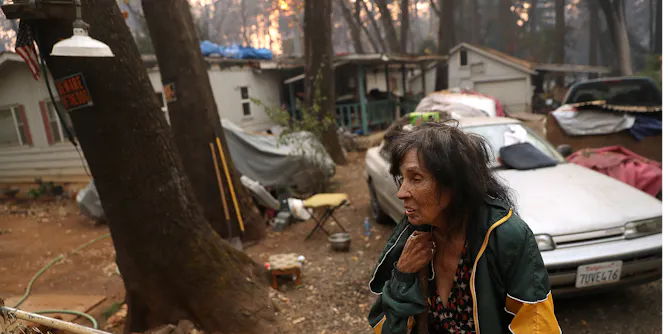
Alarmingly, about half the people exposed to wildfires in Washington and Oregon were those least able to afford to protect their homes, evacuate safely and recover.
Articles on Fire risk
Displaying 21 - 40 of 58 articles
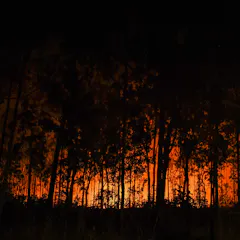
Most fire climate regimes in Australia shifted abruptly around the year 2000 – greatly increasing fire risk.
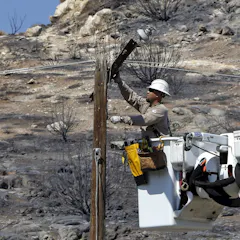
Losing power also has real consequences for people’s businesses, livelihoods and potentially their health and safety.
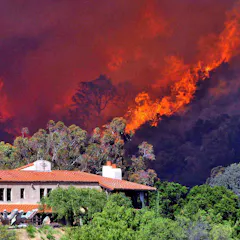
Adapting to our fiery future means preparing for the risks and not putting out every low-risk wildfire, writes the author of a new book on learning to live with fire.
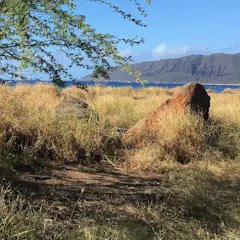
Projections for Hawaii’s climate future are raising concerns about fire risk, ecosystems and freshwater supplies for homes and agriculture.
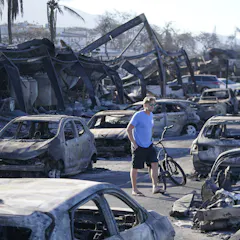
Maui County issued an ‘unsafe water’ alert and urged precautions. Residents can face several toxic hazards from fires, as an expert in the chemical risks from fires explains.
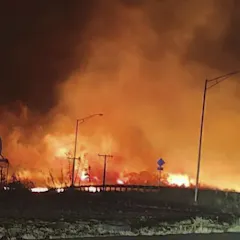
Human exposure to wildfires in the US more than doubled in the past two decades. A climate scientist looks at who is at risk and why.
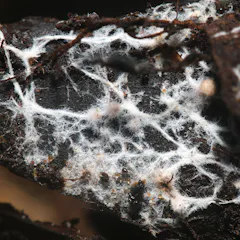
For decades, construction companies have used fireproofing chemicals associated with risks to human health and the environment. We need safer alternatives.
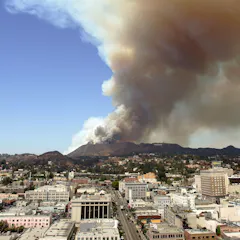
Nearly 22 million people lived within 3 miles of a US wildfire in the past two decades. A new study tracking their locations flips the script on who is at risk.
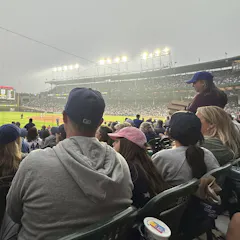
Fires in Canada have sent smoke across several US states, leaving cities including New York, Chicago and Denver with some of the worst air quality in the world – even far from the flames.
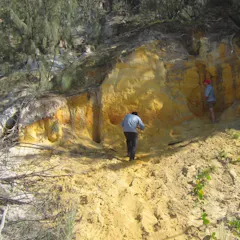
Until now, a limitation of records of past fires is that these have come from sediments laid down in lakes and bogs. Records for dryland regions have been lacking, but dune deposits can fill the gap.

Telling people they have a flood risk rating of 10 is less powerful than explaining how much they’re likely to pay to deal with flooding over the next five years.
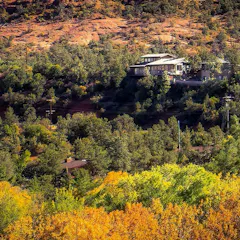
A new study maps vegetation’s fire risk across the West and shows where population in the highest-risk areas from California to Texas is booming.
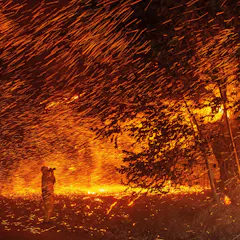
A fire scientist explains the risk of flying embers that can travel over a mile from a wildfire and how people can protect their homes.
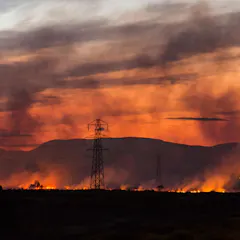
Most fires are started by humans, but warmer and drier summers will mean a small spark will more easily turn into a serious fire.

Since the Grenfell Tower fire claimed 72 lives in 2017, Australia has identified flammable cladding on more than 3,400 buildings. Despite apartment owners’ fears and rising costs, few have been fixed.

Identifying and fixing apartment defects can be challenging, especially as they’re often the shared responsibility of all owners in the building. A new guide aims to help navigate the pitfalls.
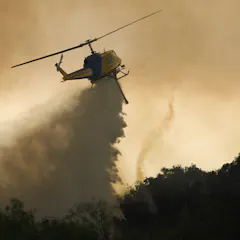
Persistent heat waves and dry lightning are part of the problem. For firefighters, the erratic behavior gets dangerous quickly.
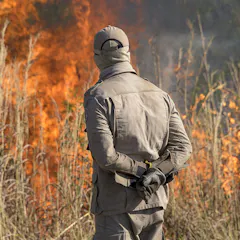
Fires that burn the forest burn crops and pastures alike. But farmers in the eastern Amazon are left with few good options.

The public inquiry into Grenfell makes its first report – but those responsible for the circumstances leading up to the fire are yet to face the consequences.
Top contributors
-

Adjunct Professor of Architecture, University of Technology Sydney
-
Associate Professor of Civil Engineering, Boise State University; United Nations University
-
Associate Professor in Property, Construction and Project Management, RMIT University
-
Wildfire Specialist, University of California Cooperative Extension; Adjunct Professor at the Bren School, University of California at Santa Barbara, University of California, Santa Barbara
-
Professor of Forest and Natural Resource Policy, Colorado State University
-
Catedrático en instalaciones y sistemas energéticos en arquitectura y urbanismo, Universidad de Navarra
-
Director, Glowpear, Board member, ISDRS, Vice President, AHA and Senior Lecturer in Industrial Design, RMIT University
-
Associate Dean, School of Property, Construction and Project Management, RMIT University
-
Professor of Pyrogeography and Fire Science, University of Tasmania
-
Investigador postdoctoral en ingeniería de seguridad contra incendios, Universidad de Navarra
-
Professor of Marketing, University of Montana
-
Research Fellow in Environmental Science, University of Tasmania
-
Architectural Technologist and Urban Designer, Nottingham Trent University
-
Adjunct associate in archaeology, Flinders University
-
Lecturer, Marketing & Design Thinking, RMIT University