
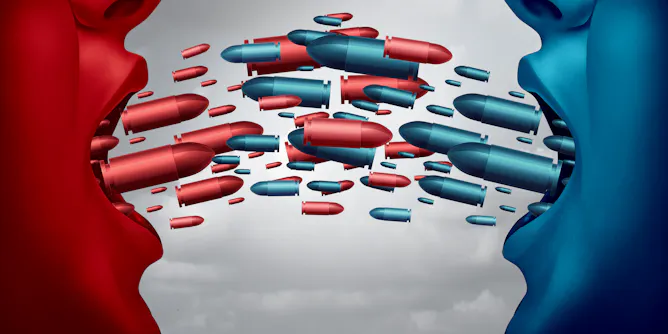
A psychologist explains how to reestablish civil political conversation in your own life.
Articles on Fake news
Displaying 141 - 160 of 375 articles
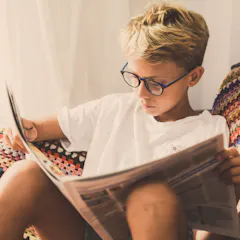
The circulation of misinformation makes understanding the world difficult. Here are three ways you can help children to think critically about the news they see, hear and read.
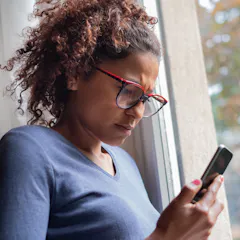
Images without context or presented with text that misrepresents what they show can be a powerful tool of misinformation, especially since photos make statements seem more believable.
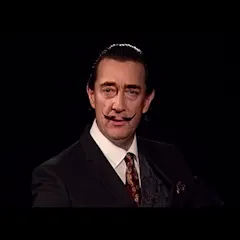
They’re associated with fake news and celebrity porn videos but there are some unexpected upsides to these slippery clips.
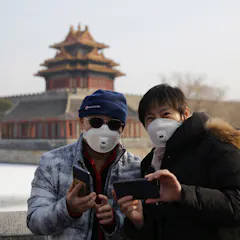
As cities have shut down and residential compounds have issued curfews, social media in China have become more important than ever. But it is a place of rumours and mistruths.

To mitigate the dissemination of medical hoaxes, Southeast asian governments have taken various approaches.
We claim not to trust social media yet it seems to shape our political opinions.
We found about 300 suspicious Twitter accounts, which we suspect included a high proportion of bots and trolls pushing the #ArsonEmergency narrative.
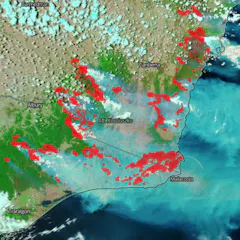
By understanding how bushfire maps are created, and what their features represent, you can get better at spotting fake ones.
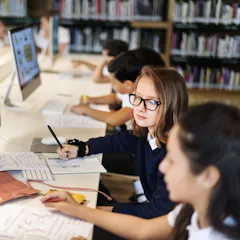
Only 2% of children have the skills needed to identify a credible news story.
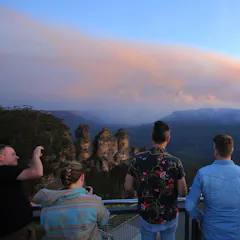
Instagram bushfire images cut through our news fatigue. This developing brand of photojournalism brings authenticity and a different sense of proximity.
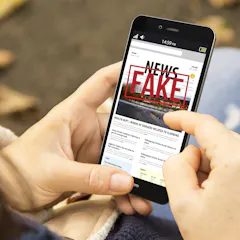
Even established political parties are using a host of tricks to manipulate the news.
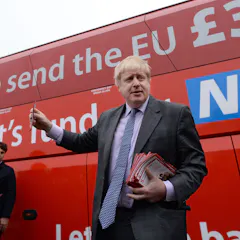
Economic forecasts are flawed but they should not be blindly dismissed as fake facts.
Efforts to mitigate the double edged nature of social media in politics must take into account local information environments
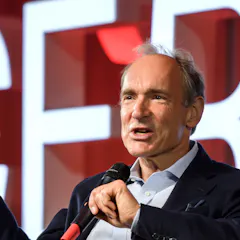
Can we make the web more inclusive or will our online reality always be a lawless wasteland of trolls and lies?
The effective teaching of news literacy needs to go beyond simple fact-checking, a journalism professor argues.
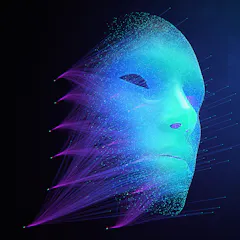
Twitter’s proposed policy would result in the prolific spread of fabricated, but highly realistic images and videos. This could allow widespread misinformation on the platform.
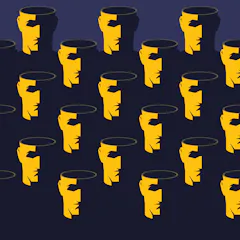
We fall sway to fake news because it grabs our attention through outlandish claims, suggests false memories and contains appeals to our emotions that align with our politics.
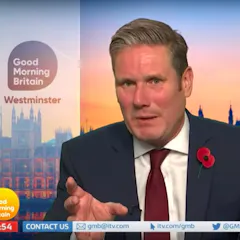
It’s a slippery slope from satire to dangerous deepfakes.
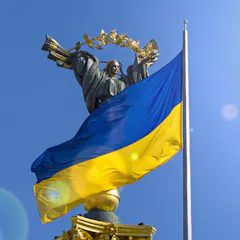
Trump’s attempt to co-opt Ukraine’s precarious position with Russia worsens existing divides inside Ukraine and weakens US influence abroad.
Top contributors
-

Professor of Social Psychology in Society, University of Cambridge
-
Professor and Chair, Department of Journalism, Stellenbosch University
-
Professor of Political Communication; Director CAJII, The University of Melbourne
-
Professor in Digital Media, Western Sydney University
-
Senior Research Fellow, Centre for Advancing Journalism, The University of Melbourne
-
Lecturer in Psychology, University of Cambridge
-
Associate Professor of Interdisciplinary Studies, Royal Roads University
-
Associate Professor, News, Social Media, and Public Communication, Simon Fraser University
-
Professor of Media Industries, University of Nottingham
-
Professor of Policy Impact, University of Leeds
-
Vice-Chancellor and Principal of the University, University of Pretoria
-
Associate Professor of Psychology, Vanderbilt University
-
Associate professor in the Faculty of Business, Government, and Law, University of Canberra, University of Canberra
-
Professor, Digital Media Research Centre, Queensland University of Technology
-
Caxton Professor of Journalism, University of the Witwatersrand