
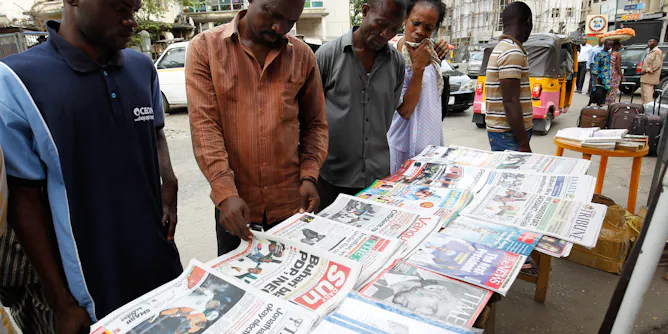
Disinformation in Africa often takes the form of extreme speech inciting violence and spreading racist, misogynous, xenophobic messages.
Articles on Fake news
Displaying 221 - 240 of 375 articles

Despite their derision, media outlets such as the Canary and Breitbart, still source much of their information from the mainstream press.

New research into the economics of attention online casts doubt on the net’s role in fostering public debate, and raises concerns about the future of democracy.
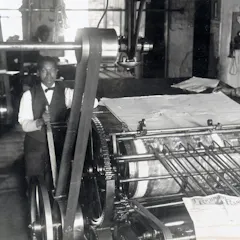
To survive in 19th-century newsrooms, reporters would have to hustle to get by, even if it meant producing fakes, staging events and sharing work with reporters from competing newspapers.

Monitoring the spread of mis-information and dis-information during the Swedish national elections by a group of scholars and journalist could set a precedent elsewhere.

Will we soon no longer be able to discern which videos are real and which are fake?

A psychologist explains what can happen to individuals and societies that lose their grip on the truth.
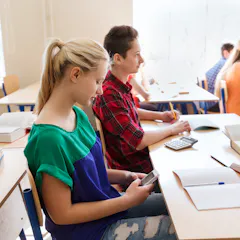
Teaching media literacy to students can curb the impact of false news, but teachers need more support from their schools and community to do this.

As long as there are no hidden agendas, it is surprisingly simple to reach the right decision when faced with contradictory information.
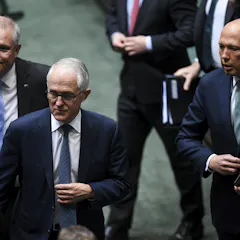
Truth and trust are in short supply in Western democracies. It’s imperative our political leaders end the constant bickering and sideshows and restore public confidence in good governance.
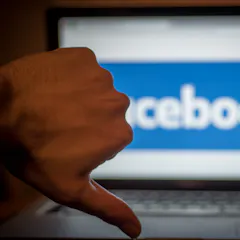
Facebook users may be flagging news as fake just because they disagree with it.
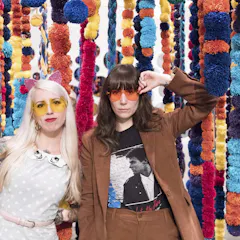
Although some social media users are able to monetize their social media “likes,” much of the pursuit of popularity amounts to nothing and instead turns us into pawns for political and commercial uses
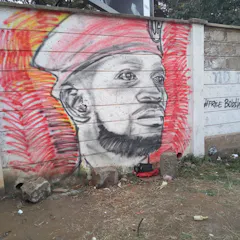
Social media has played a central role in attracting attention to the story of Ugandan politician Bobi Wine across the world.
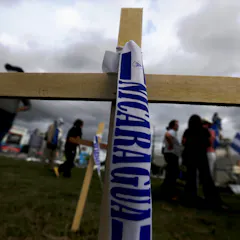
When different sides in a violent political crisis become ever more entrenched, democracy quickly starts to wither.
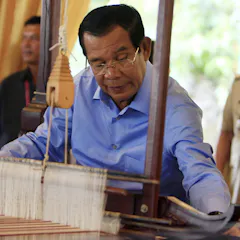
The re-election of Cambodian Prime Minister Hun Sen contributes to the growing global democratic crisis. Here’s why.
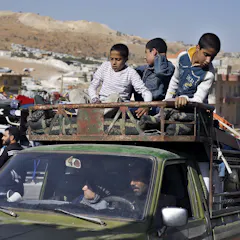
One of the World Bank’s mandates is to prepare for the physical and human capital reconstructions of post-conflict Syria. But an image reconstruction of Syrians and of Syrian refugees is also needed
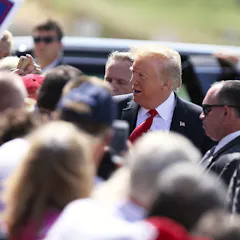
Experts wonder why Donald Trump remains so popular despite his eyebrow-raising statements. The answer may lie in the way he tells stories.
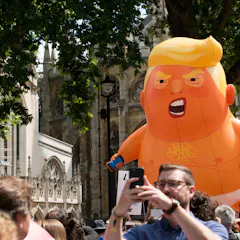
Comrade Cheetolino, Mango Mussolini, Agent Orange … just a few of Trump’s fake tan induced nicknames.
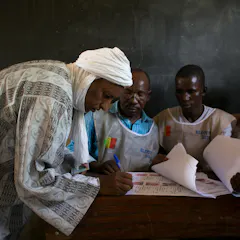
In Africa, biased media coverage is one of the reasons voters have little faith in credible elections.
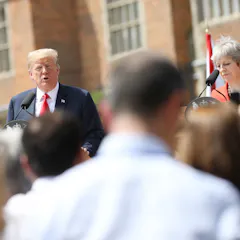
‘Fake news’ is a meaningless term that is used for anti-democratic propaganda. We should all stop using it.
Top contributors
-

Professor of Social Psychology in Society, University of Cambridge
-
Professor and Chair, Department of Journalism, Stellenbosch University
-
Professor of Political Communication; Director CAJII, The University of Melbourne
-
Professor in Digital Media, Western Sydney University
-
Senior Research Fellow, Centre for Advancing Journalism, The University of Melbourne
-
Lecturer in Psychology, University of Cambridge
-
Associate Professor of Interdisciplinary Studies, Royal Roads University
-
Associate Professor, News, Social Media, and Public Communication, Simon Fraser University
-
Professor of Media Industries, University of Nottingham
-
Professor of Policy Impact, University of Leeds
-
Vice-Chancellor and Principal of the University, University of Pretoria
-
Associate Professor of Psychology, Vanderbilt University
-
Associate professor in the Faculty of Business, Government, and Law, University of Canberra, University of Canberra
-
Professor, Digital Media Research Centre, Queensland University of Technology
-
Caxton Professor of Journalism, University of the Witwatersrand