
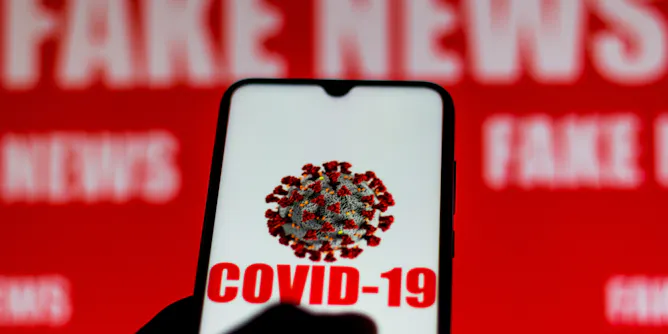
In Africa, people who report higher levels of exposure to disinformation also report lower levels of media trust.
Articles on Fake news
Displaying 121 - 140 of 375 articles

The freedom of the press is important, and of course it must be protected. But the freedom of everybody else and of ordinary citizens is also important.
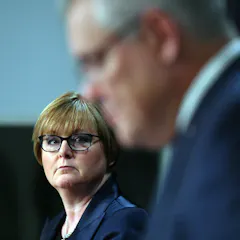
Unlike the US, Australia hasn’t yet been hit by a large-scale disinformation campaign focussed on meddling with elections. But this is a ‘realistic prospect’ moving forward.
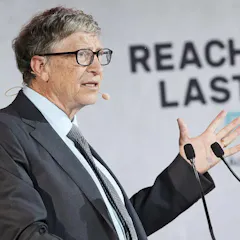
The World Health Organization says the abundance of misinformation swirling around COVID-19 is as dangerous as the virus itself. There are ways to fight this, however.
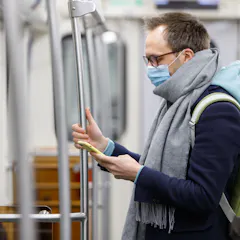
While trust in media has risen in both the US and Australia, a sharp partisan divide is apparent in Americans’ trust in media.
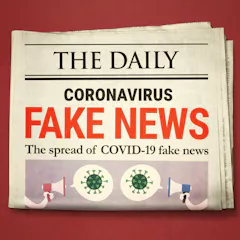
False information about the new coronavirus is a big threat to containing the pandemic but governments must not use ‘fake news’ as an excuse to limit freedom of expression.

The conspiracy theory that Covid-19 was created in a laboratory has been widely reported, yet there is no evidence to support it. Why such theories thrive can easily be explained, however.

Some of the false claims about coronavirus may be harmless. But others can be potentially dangerous.
According to Bot Sentinel, #coronavirus and #COVID19 are among the top hashtags being used by Twitter bot accounts.
Facebook, Google and Twitter are stepping up to block misinformation and promote accurate information about the coronavirus. Their track records on self-policing are poor. The results so far are mixed.
Help stop the infodemic.
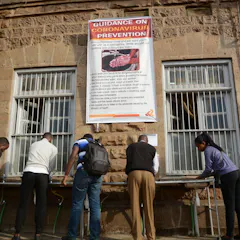
Health literacy is the degree to which people can get, understand and use basic health information to make decisions about health issues.

From coronavirus to climate change, it’s easy to be misled by some reporting.
The social media spread of news, information and myths about coronavirus can help keep the public informed but can also stoke panic.

Jokes and satire can build resilience but also spread misinformation as people don’t always know what is trustworthy and what is just funny.
In the midst of international health and financial crises, how do we stay informed while maintaining mental wellness and productivity?

While COVID-19 is a real concern for businesses and governments, a more serious issue right now is the wider impact of heavily recycled information on society.
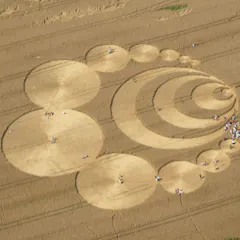
The internet has allowed pseudoscience to flourish. Artificial intelligence could help steer people away from the bad information.
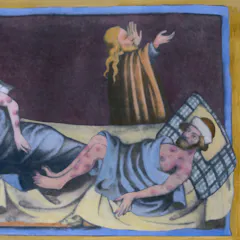
Misinformation and “fake news” was also widespread during the Black Death.
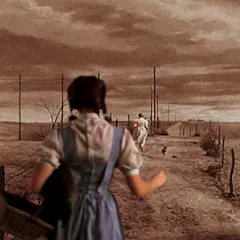
Photographic works drawn from the Art Gallery of New South Wales collection explore fakery, mirrors and tricks of the light. But Shadow Catchers stops short of today’s digital doppelgangers.
Top contributors
-

Professor of Social Psychology in Society, University of Cambridge
-
Professor and Chair, Department of Journalism, Stellenbosch University
-
Professor of Political Communication; Director CAJII, The University of Melbourne
-
Professor in Digital Media, Western Sydney University
-
Senior Research Fellow, Centre for Advancing Journalism, The University of Melbourne
-
Lecturer in Psychology, University of Cambridge
-
Associate Professor of Interdisciplinary Studies, Royal Roads University
-
Associate Professor, News, Social Media, and Public Communication, Simon Fraser University
-
Professor of Media Industries, University of Nottingham
-
Professor of Policy Impact, University of Leeds
-
Vice-Chancellor and Principal of the University, University of Pretoria
-
Associate Professor of Psychology, Vanderbilt University
-
Associate professor in the Faculty of Business, Government, and Law, University of Canberra, University of Canberra
-
Professor, Digital Media Research Centre, Queensland University of Technology
-
Caxton Professor of Journalism, University of the Witwatersrand