
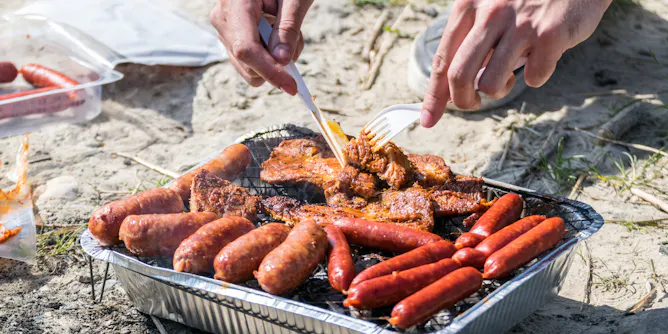
Disposable BBQs are a major, yet preventable, fire risk. Other picnics are a better bet.
Articles on Extreme weather
Displaying 41 - 60 of 710 articles

An expert explains the different types of drought and what happens when they combine with heatwaves.

Complex systems require multiple indicators. A UK food resilience index could identify developing weaknesses in the food system before they become failures.
Wildfire smoke can even affect the weather downwind.
A wildfire can be explained by today’s barbecue, yesterday’s wind direction, a dry spring, four decades of land use change, or a century of emissions.

This new documentary series reveals how nature is fighting back against today’s extreme weather.
A National Academy of Sciences report examined the latest advances in extreme event attribution science. As four of the authors explain, the type of disaster makes a difference.
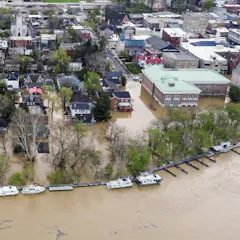
What communities and businesses really need is information they can act on, with examples of what’s worked elsewhere and why – and what fails.

Reducing the risks of increased heat in the UK without compromising climate targets requires policy interventions, investment and a strong political will.
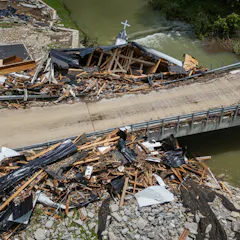
Increasing flash flooding is exhausting communities as they’re hit again and again.

Elite teams plan for heat, recovery and warning signs. Workplaces expecting effort during heatwaves need the same kind of thinking.

More than 90% of the heat trapped by greenhouses goes into the ocean. But what happens in the oceans doesn’t stay there.
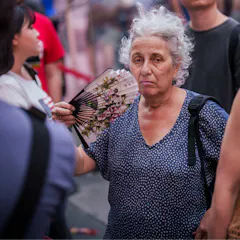
A public health researcher explains the signs to watch for that someone is developing heat exhaustion or heat stroke, and what to do.
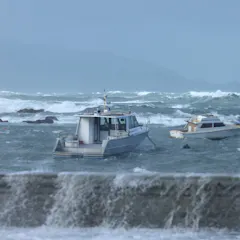
When trust in institutions is weak, emergency warnings can become entangled with narratives about government competency and bureaucratic overreach.

A 35°C heatwave really does “feel worse” in the UK than in many other countries.
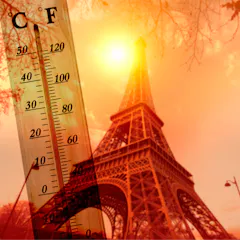
As people across Europe are having to acclimatise to an unprecedented heatwave, coordinated responses for tackling extreme heat need to come from the top, and there’s no time to lose.

The science will tell us what is likely to happen. The harder question is whether that knowledge reaches people in a form they can feel and act on.
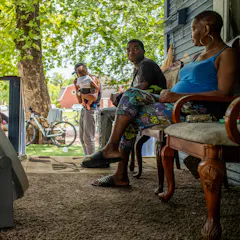
Heat waves can be dangerous, and the conditions indoors can be worse than outdoors. A study of all the single-family homes in Austin, Texas, shows why.
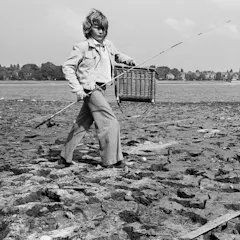
For 15 consecutive days, temperatures were over 32°C. Today, heatwaves are 3°C or 4°C hotter.

Heatwaves can damage hearts, kidneys, lungs and infrastructure.
Top contributors
-

ARC Future Fellow and Associate Professor in Climate Science, ARC Centre of Excellence for 21st Century Weather, The University of Melbourne
-
Adjunct Professor of Environmental Geography, CQUniversity Australia
-
Professor of Climate Science, UMass Lowell
-
Principal Research Scientist in Extreme Weather, The University of Melbourne
-
Professor of Economics and Environmental Studies, Wesleyan University
-
Associate Professor of Landscape Architecture and Urban Planning, Texas A&M University
-
Regius Professor of Meteorology and Climate Science, University of Reading
-
Professor of Geology and Environmental Geosciences, University of Dayton
-
Professor emeritus, The University of Melbourne
-
Honorary Associate Professor of Climate Science, The University of Melbourne
-
Director, ANU Institute for Climate, Energy & Disaster Solutions, Australian National University
-
Meteorologist and Research Program Manager, University of Wisconsin-Madison
-
Senior Lecturer in Climate Science, Imperial College London
-
Professor of Natural Resources and Environmental Science, University of Vermont
-
Professor of Climate Change Impacts, Newcastle University