
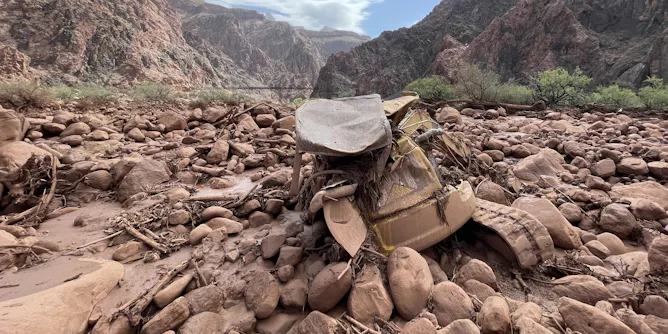
After the deadly Grand Canyon flood, a geologist and avid hiker explains what nature lovers need to prepare and watch for to stay safe.
Articles on Extreme weather
Displaying 21 - 40 of 710 articles
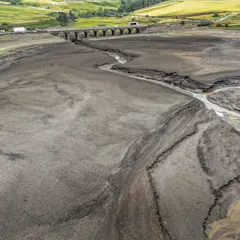
It’s no longer possible to hold climate change to 1.5°C. But it’s not game over – it’s game on.
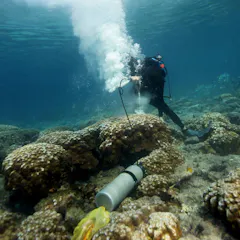
Scientists went to the heart of the El Niño pattern to learn from living and fossil corals. The results show El Niño’s intensifying coincides with global warming.

Climate change does not affect every form of transport in the same way. And the result is more than just cancelled journeys.
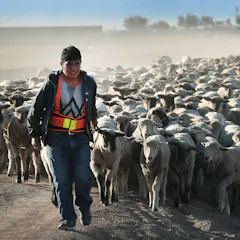
Whether in Kenya or California, herders face dangerous temperatures and difficult conditions that put a strain on their health.
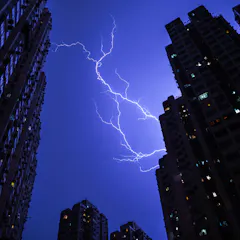
With the help of thunderstorms and everyday fiber-optic cables, these scientists are revealing a hidden world underground.

One way to guard against misinformation is to empower people to identify climate doom in the first place.
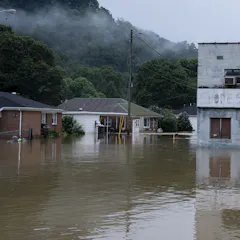
Disasters weaken support systems that take years to rebuild, at the same time people caught in them are under extraordinary financial and psychological stress.

Mobile phones have become part of just about everyone’s emergency infrastructure. But what do you do when the power and service go out?

Climate change leading to extreme weather events is making life uncomfortable for many UK workers. A new survey reveals the depth of the problem.
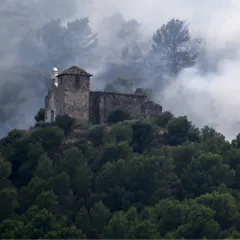
The damage is sometimes only centimeters deep. Three engineers explain the colors of burned masonry and other signs preservationists look for amid another destructive fire year.
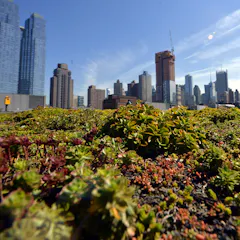
The success of green roofs depends on more than just good intentions and engineering – they need long-term love and care.

This term describes dramatic swings between different kinds of extreme weather.

A home might appear fine, but toxic contamination isn’t always evident by sight or smell. An engineer share safety tips for the recovery.
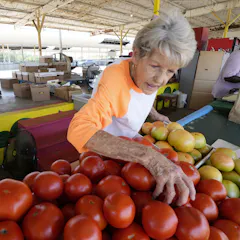
Chronic pain can make it hard to walk, carry groceries or sleep through the night. A new study finds that extreme temperatures are linked to that kind of pain.

Evacuations in the face of a wildfire, hurricane or other disaster are stressful and can take more time than you might expect. Here’s why practice helps and what to think about.
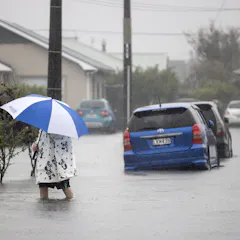
New research shows disabled people remain overlooked in climate policy, despite lived experience that could help build more resilient communities.

On extremely hot days and in the aftermath of storms, people tend to hole up inside. Losing festivals, traditions and gathering places can worsen that loneliness.
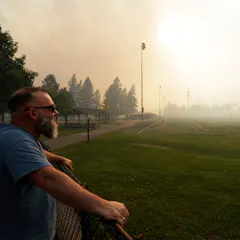
Extreme fire conditions converged in suburban neighborhoods built into the forests, shrubland and grasslands and quickly spread.
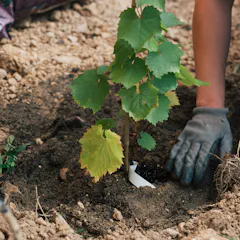
At local level, many grassroots initiatives are cropping up to tackle unforeseen climate-related events, but improvising and instinctive ways of working are often overlooked in public policy.
Top contributors
-

ARC Future Fellow and Associate Professor in Climate Science, ARC Centre of Excellence for 21st Century Weather, The University of Melbourne
-
Adjunct Professor of Environmental Geography, CQUniversity Australia
-
Professor of Climate Science, UMass Lowell
-
Principal Research Scientist in Extreme Weather, The University of Melbourne
-
Professor of Economics and Environmental Studies, Wesleyan University
-
Associate Professor of Landscape Architecture and Urban Planning, Texas A&M University
-
Regius Professor of Meteorology and Climate Science, University of Reading
-
Professor of Geology and Environmental Geosciences, University of Dayton
-
Professor emeritus, The University of Melbourne
-
Honorary Associate Professor of Climate Science, The University of Melbourne
-
Director, ANU Institute for Climate, Energy & Disaster Solutions, Australian National University
-
Meteorologist and Research Program Manager, University of Wisconsin-Madison
-
Senior Lecturer in Climate Science, Imperial College London
-
Professor of Natural Resources and Environmental Science, University of Vermont
-
Professor of Climate Change Impacts, Newcastle University