
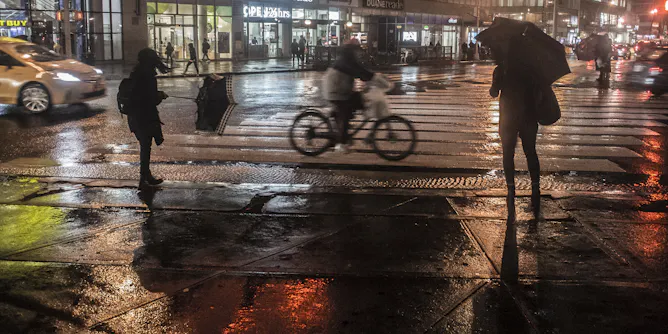
Twin cyclones helped trigger massive ocean warming in the Pacific. But whether that leads to a strong El Niño is still uncertain. Here’s what you need to know.
Articles on Extreme weather
Displaying 81 - 100 of 710 articles

Healthy coral reefs can significantly reduce hurricane damage for coastlines, yet many still face harms, including pollution and ship damage, that people have the power to stop.
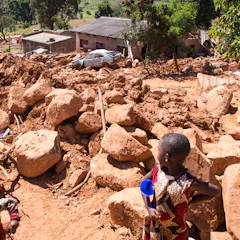
Disaster recovery agencies and governments must pay more attention to survivors’ invisible losses: grief, broken communities and disrupted identities.

Climate risk assessments guide how much funding is available to support climate impacts and need to work out which women are worst affected.
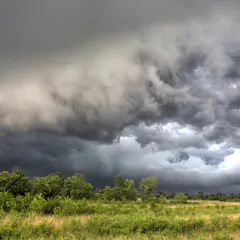
Don’t blame the weatherman. A meteorologist explains where your local weather forecasts really come from, and what storm scientists are doing to bring them closer to home.
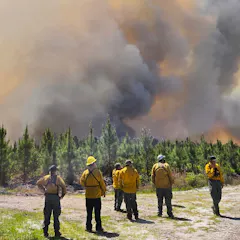
The southeastern US has been in drought for months. With the wind and unusually low humidity, it’s facing perfect conditions for wildfires spreading.
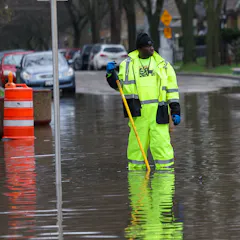
Days of intense rain and snowmelt overwhelmed old dams and breached roads, forcing evacuations. Nearly half the counties in Michigan – often seen as a climate haven – were under a state of emergency.

Computer models of the storm hitting different areas show how much damage is possible, yet flood maps still focus on where flooding is most likely instead.
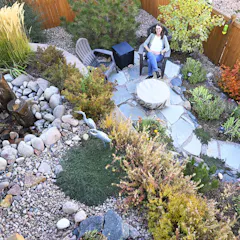
Cities have the best chance of reducing water use when people actively participate in water conservation, but even that might not be enough in the future.
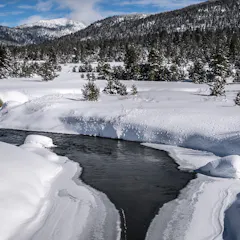
Streamflows the West relies on for drinking water and farms used to follow a fairly predictable arc as winter snow melted. Rising temperatures are changing that.
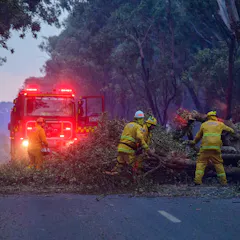
Extreme weather events are increasingly coming in waves, giving communities just days or hours to recover before the next disaster hits.
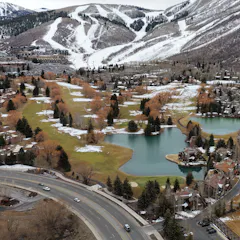
The 2026 water year has been anything but ordinary. In fact, its snow drought has few parallels in recent history.

Kenya faces extreme weather crises. Humanitarian aid must be part of the solution.
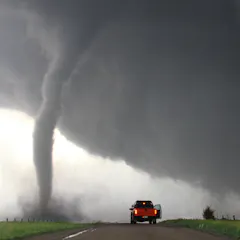
When you’re inside a vortex, your body experiences things the news cameras can’t capture.

Cyclone Narelle is expected to cross the Queensland coast on Friday morning. It has followed a predictable westward path, which is highly unusual.
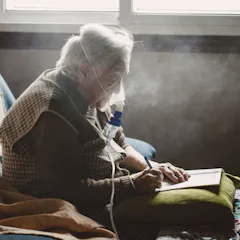
Premature deaths rise during long-term blackouts, and ERs fill up. Knowing who is at risk and some creative solutions can help.
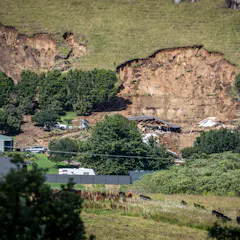
More than 60% of New Zealanders would like the government to do more to address climate change. But this won’t necessarily change how they vote.
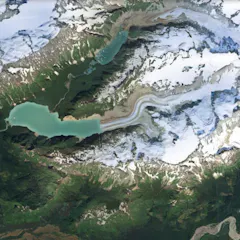
Scientists mapped the evolution of 140 glacial lakes in Alaska and found a way to tell how much larger and destructive they can get as their glaciers melt.
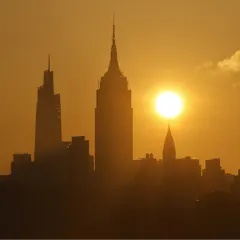
Solar cycles, sea ice and rising electricity use all play a role. So does an unhealthy surprise that has been quietly hiding a large amount of global warming – until now.
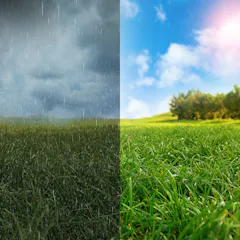
Sharp seasonal swings are happening more often – and they’re a big problem for homes, food and infrastructure.
Top contributors
-

ARC Future Fellow and Associate Professor in Climate Science, ARC Centre of Excellence for 21st Century Weather, The University of Melbourne
-
Adjunct Professor of Environmental Geography, CQUniversity Australia
-
Professor of Climate Science, UMass Lowell
-
Principal Research Scientist in Extreme Weather, The University of Melbourne
-
Professor of Economics and Environmental Studies, Wesleyan University
-
Associate Professor of Landscape Architecture and Urban Planning, Texas A&M University
-
Regius Professor of Meteorology and Climate Science, University of Reading
-
Professor of Geology and Environmental Geosciences, University of Dayton
-
Professor emeritus, The University of Melbourne
-
Honorary Associate Professor of Climate Science, The University of Melbourne
-
Director, ANU Institute for Climate, Energy & Disaster Solutions, Australian National University
-
Meteorologist and Research Program Manager, University of Wisconsin-Madison
-
Senior Lecturer in Climate Science, Imperial College London
-
Professor of Natural Resources and Environmental Science, University of Vermont
-
Professor of Climate Change Impacts, Newcastle University