

Worried about an uncertain future? A psychologist offers tips to overcome the stress.
Articles on Emotions
Displaying 141 - 160 of 249 articles
Puberty can make us behave differently.
Music doesn’t get objectively worse over time. So why do older generations scoff at each new top 40 hit?
Crying is something everyone does sometimes – an expert in the history of emotions explains why people cry to express their feelings.

A person’s political identity is wrapped up in almost everything they do. Exposure to opinions from the other side actually makes it worse.

Worrying a lot or a little has nothing to do with being brave, strong or your character.
Happiness is a human construct, an abstract idea with no biological basis. But this is something to be happy about.

Into the emotional wilderness of 21st-century society, a marketplace has sprung up with places where people can safely vent.
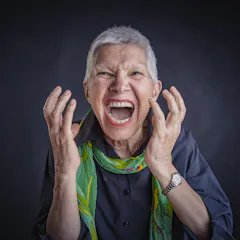
Older people may be vulnerable to the physiological effects of anger, but not sadness.

Even when everything’s going great in your relationship, you likely harbor some ambivalence toward your partner deep down. Psychology research suggests it’s not just OK, but normal.

Recognising animals as sentient means welfare laws must consider animals’ feelings as well as their physical conditions.

A cold, logical list of attributes sought in a partner is cast aside by the hot emotions that come up in real life. A psychology researcher explains how this ‘hot-cold empathy gap’ works in dating.

Proverbs are generally regarded as repositories of folk wisdom and are used widely in African settings.
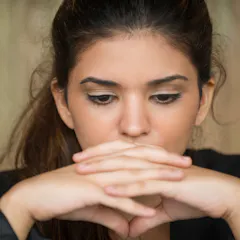
A neuropsychologist explains the underlying brain mechanisms which stop people managing their emotions.

New research sheds light on how identifying and describing emotions may influence eating behaviour and weight.

A new study shows that facial recognition software assumes that black faces are angrier than white faces, even when they’re smiling.

Fertility apps aim to help women understand their bodies. But while some find tracking their data a positive experience, others may feel burdened or trapped.

Some AI technologies aren’t advanced enough to provide useful insights, but simpler tools can yield new opportunities to explore the humanities.
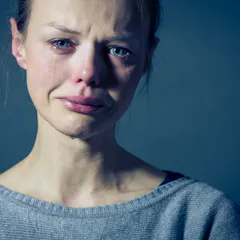
There are many theories around for why we cry and what may be happening in our bodies when we’re doing it. But the research on all these things is fairly mixed, and culture plays a big part.

With the exception of anger, women experience emotions more intensely and share their emotions more openly with others.
Top contributors
-

Associate Professor, School of Psychology, UNSW
-
Associate Professor in Clinical Psychology, Bond University
-
Professor of Psychology, The University of Melbourne
-
Senior Lecturer in Psychiatry, The University of Melbourne
-
Associate Professor, School of Behavioural and Health Sciences, Australian Catholic University
-
Associate Professor of Psychology, University of Delaware
-
Chancellor's Leadership Professor of Psychology, University of California, Davis
-
Former Senior lecturer in Psychology
-
Professor, Business and Management, Queensland University of Technology
-
Wellcome Trust Medical Humanities Research Fellow, Queen Mary University of London
-
Associate Professor of Family & Community Medicine and Pediatrics, retired, University of California, San Francisco
-
Associate Professor in Psychology, Deakin University
-
Lecturer, Bangor University
-
Visiting Research Fellow, Adelaide University
-
Professor of Social Psychology IPU Berlin and Visiting Professor of Social and Political Psychology, Coventry University, Coventry University