

We are living through a one-in-one hundred year event. We are all doing the best we can. And that’s not only OK, it’s enough.
Articles on Emotions
Displaying 101 - 120 of 249 articles

Measuring the heart rate of animlas can reveal their changing emotional state, even when their behaviour stays the same.

Unloading about trauma and mental illness is in vogue. But like undressing, it centers musicians’ vulnerabilities at the expense of their artistry.

After more than a year of idealizing life without COVID-19, people are starting to reenter ‘normal’ life. Clinical psychology provides guidance on how to prepare for your post-pandemic reboot.

Australian Indigenous languages use a fascinating array of expressions drawing on body parts to describe emotions. Here is a guide to some of the most intriguing ones.

A lack of emotional support within the police is leading to PTSD and burnout.

Some therapists are calling for a new way to understand human distress.

TV programmes with certain themes can help boost our mood.

Despite moments of hope, worries about the present and fears that the future may be even worse have been rising for decades. What can geopolitics teach us about the global impact of fear?

One medication-free technique uses your emotions to release stress.

Psychology studies suggest a variety of ways you can strengthen your bond and increase your satisfaction with your partner.

Feelings of empathy for others may be plentiful in a year of suffering. But is feeling more empathy to loved ones than strangers morally right? A research team sought to find out.

Whether in the form of a discreet titter or a full-on roar, laughter comes with many benefits for physical and mental health.

Cut yourself some slack. For most people, the pandemic has been a unique challenge.

It’s been ten years since the term was coined. Here’s what researchers know so far.

The ancient term ‘acedia’ describes the paradoxical combination of jangling nerves and vague lack of purpose many of us are feeling now. Reviving the label might help.

A new study of centuries-old Mesoamerican statues lends weight to the idea that many human facial expressions are universal.

Good mental health is the ability to adapt to changes and stress. Whatever school looks like, parents can help keep kids’ social-emotional development on track in these four areas.
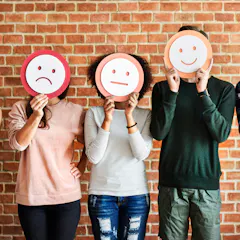
New findings that alexithymia in autistic people made them more vulnerable to eating disorders.

Many people experience love differently. But regardless of the differences in how it’s experienced and how it changes over time, humans are social creatures who are deeply fascinated by it.
Top contributors
-

Associate Professor, School of Psychology, UNSW
-
Associate Professor in Clinical Psychology, Bond University
-
Professor of Psychology, The University of Melbourne
-
Senior Lecturer in Psychiatry, The University of Melbourne
-
Associate Professor, School of Behavioural and Health Sciences, Australian Catholic University
-
Associate Professor of Psychology, University of Delaware
-
Chancellor's Leadership Professor of Psychology, University of California, Davis
-
Former Senior lecturer in Psychology
-
Professor, Business and Management, Queensland University of Technology
-
Wellcome Trust Medical Humanities Research Fellow, Queen Mary University of London
-
Associate Professor of Family & Community Medicine and Pediatrics, retired, University of California, San Francisco
-
Associate Professor in Psychology, Deakin University
-
Lecturer, Bangor University
-
Visiting Research Fellow, Adelaide University
-
Professor of Social Psychology IPU Berlin and Visiting Professor of Social and Political Psychology, Coventry University, Coventry University