

Push through, stay strong, fight back – people often think of resilience as being tough and having grit. But research suggests it’s more about acknowledging the scars as you continue to move forward.
Articles on Negative emotions
Displaying 1 - 20 of 25 articles

In an increasingly fierce war for attention, the temptation to shock in order to make an impression exists. But what are the results?
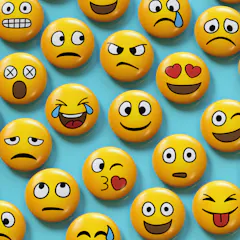
Bittersweet experiences aren’t uncommon. Do people ever truly feel both positive and negative at the same exact moment, or do we just switch quickly back and forth?
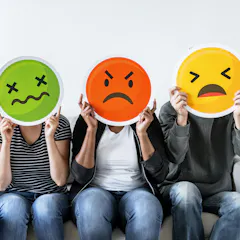
Lots of people will do a lot to avoid feeling negative emotions. But researchers are figuring out how these unpleasant feelings actually have benefits.

When employees are able to reconceptualize jealousy as a motivating force, this opens up new venues to address, overcome, and even capitalize on the feeling.

Negative emotions, especially regret, are seldom expressed when talking about motherhood.

Don’t fear emotions such as regret, anger or worry.

Remorse and sorrow from a bad choice can haunt you for years, even decades. But there are evidence-based ways to move past regret.

Contrary to society’s celebrations of family togetherness, the ‘ties that bind’ often become frayed or broken.
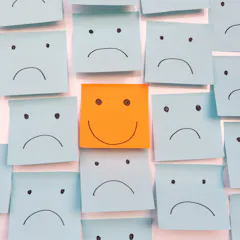
Ignoring negative emotions by trying to be positive all the time — called toxic positivity — can have consequences for mental health. Experiencing negative emotions is inevitable and essential.

A survey conducted in early April reveals that, even in lockdown, fewer than 3% of people were feeling only negative emotions.

In a rapidly warming world, temperature increases are a challenge to mental well-being. A group of economists quantified the relationship.

Algorithmic forces fuel cancel culture. Paradoxically, they’re also used to rehabilitate those who have been canceled.

It’s natural to feel powerless against climate breakdown. But transforming pain into action can be infectious, and might just tip the balance towards a healthy climate.
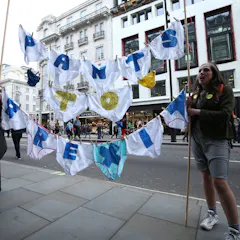
As mental health experts warn that Brexit anxieties are cause for concern, why this is deeply suspect for the country’s political future.

A neuropsychologist explains the underlying brain mechanisms which stop people managing their emotions.

Missing a meal can certainly push you toward a bad mood. But new research identifies in what kind of situations hunger is most likely to tip toward hanger.

Youth mental illness rates are not rising. We don’t need more pills or therapy. We need to stop pathologizing normal life.

With levels of political discourse reaching new lows, some might say the country could use a dose of shame and humility. At the same time, social media have unleashed a torrent of online shaming.
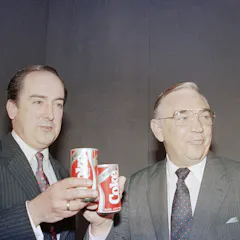
According to new research, the way you respond could determine whether or not you’ll repeat the same mistake in the future.
Top contributors
-

Sun Life Financial Chair in Adolescent Mental Health, Dalhousie University
-
Professor of Marketing, The Ohio State University
-
Ph.D. Candidate in Psychology, Stanford University
-
Professor of Communication Studies, University of Montana
-
University Professor of History, Provost Emeritus, George Mason University
-
Dwight F. Benton Professor of Marketing, University of Michigan
-
Ph.D. Student in Psychology and Neuroscience, University of North Carolina at Chapel Hill
-
Professor, School of Journalism, Media and Culture; University Dean of Research Environment and Culture, Cardiff University
-
Associate Professor of Psychology, University of Calgary
-
Professor of Information Systems, Michigan State University
-
Candidate au doctorat en psychologie, Université du Québec à Montréal (UQAM)
-
Associate Professor of Human Resources and Management, McMaster University
-
Assistant Professor of Human Resources Management and Organizational Behaviour, Toronto Metropolitan University
-
Professor of Psychiatry and Neurobehavioral Sciences, University of Virginia
-
Senior Analyst, Strategic Research, University of Illinois Urbana-Champaign