
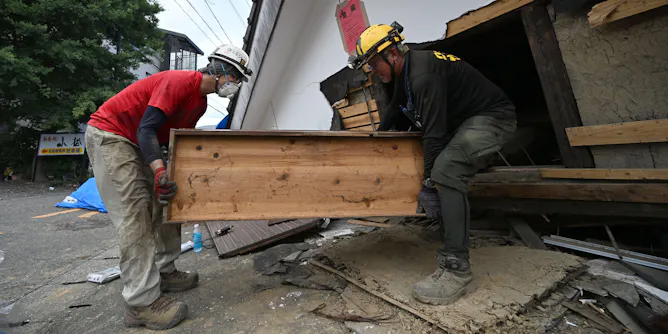
Very high temperatures during and after a disaster needs to be factored into emergency planning.
Articles on Emergency services
Displaying 1 - 20 of 41 articles
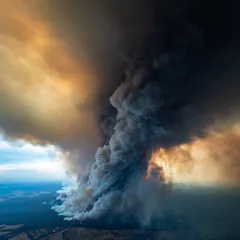
The most effective wildfire risk reduction happens long before the first 999 call.

Community responders often reach cardiac arrest patients quicker than emergency services. Carrying mobile defibrillators would improve people’s survival chances.
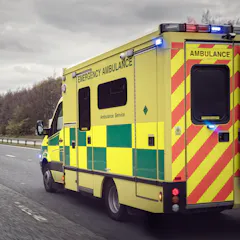
Ambulance workers are increasingly being verbally abused and physically attacked. Two paramedicine researchers explain how we can better protect them.
After two Triple Zero outages, a data breach and a $100 million fine for predatory sales in recent years, sorry is not enough. Here’s what Optus needs to do next.
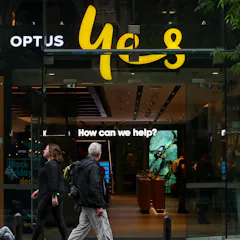
It may be tempting to call for the chief executive to be sacked, but it would only let Optus off the hook. This is how to really hold them to account this time.
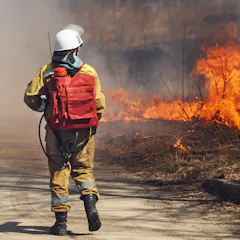
Emergency service volunteers are passionate about serving their communities. But this comes at a personal cost, especially without the right supports.
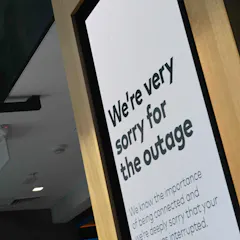
A review of the November 2023 Optus outage has sparked an overhaul for the Triple Zero system and more transparency for telcos.
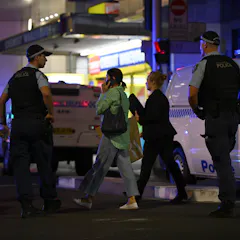
The “zero responders” – bystanders who proactively assist – play a pivotal role in the immediate response to crisis. They can be key players in preventing, reporting and containing a violent incident.

Visitor numbers to national parks are increasing. It means masses of people are being funnelled into potentially dangerous locations for which they may be unprepared.
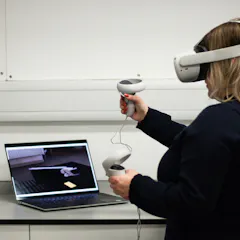
VR can help responders hone the decision making skills they’ll need in emergency scenarios.
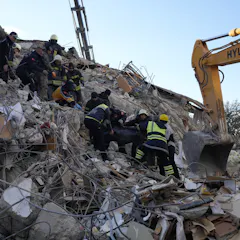
Twitter was blocked in Turkey for about 12 hours at the height of rescue and relief efforts in the aftermath of a massive earthquake, severely hampering a vital tool for disaster response.
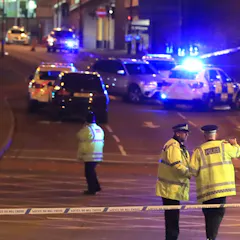
Group psychology can explain why emergency services failed to cooperate effectively in the aftermath of the Manchester Arena bombing.

Collaboration and good working relationships are crucial for community-based ambulance services to work.

Again, thousands of residents in Western Sydney face a life-threatening flood disaster. Obviously, nature is a major culprit – but other drivers are also at play.
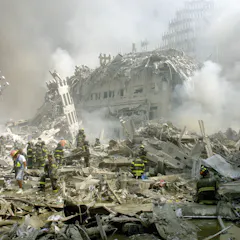
More 9/11 responders died from physical and mental health issues after the terrorist attacks than on the day itself. And survivors are still suffering 20 years later.

Health services are seeing a drop in people seeing urgent care for stroke patients. Here’s how you can make sure your loved ones are safe.
Australian emergency services are using social media for a number of purposes during disasters. What they are not doing well is analysing social media data in real time to improve disaster management.
Nearly 90% of emergency service staff have experienced stress, low mood and poor mental health.

Emergency service workers already have poorer mental health than the rest of us. In the wake of this bushfire crisis, we need to make the well-being of our first responders a top priority.
Top contributors
-

Associate Professor, Paramedicine and Head of Department, Rural Allied Health, La Trobe University
-
Senior Research Manager, University of Oxford
-
Senior Lecturer in Psychology, University of Liverpool
-
Professor of Leadership and Management, Edge Hill University
-
Head, Discipline of General Practice, University of Tasmania
-
Ph.D. Candidate in Information Systems Engineering, Ben-Gurion University of the Negev
-
General Internal Medicine Physician, Queen's University, Ontario
-
Senior Lecturer in Policing, Liverpool John Moores University
-
Deputy Director and Research Professor at the Social and Decision Analytics Laboratory, Virginia Tech
-
Professor of Electrical, Computer and Biomedical Engineering, University of Hartford
-
Research professor, RMIT University
-
Professor of Statistics and Director for the Social and Decision Analytics Laboratory within the Biocomplexity Institute, Virginia Tech
-
Professor of Information Systems Engineering, Ben-Gurion University of the Negev
-
Professor and Project Leader, National Drug Research Institute, Curtin University
-
Associate Professor, Deputy Director Phoenix Australia Centre for Post-traumatic Mental Health, The University of Melbourne