
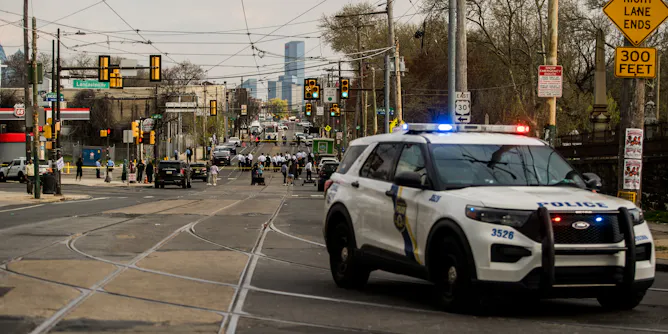
Police departments vary widely in how they use ‘scoop and run’ – and whether they use it just for colleagues who’ve been shot or for members of the public too.
Articles on Ambulance services
Displaying 1 - 20 of 33 articles

Ambulance workers are increasingly being verbally abused and physically attacked. Two paramedicine researchers explain how we can better protect them.
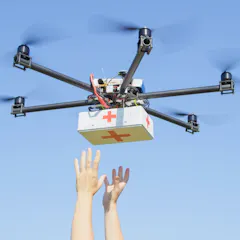
The reality of drone-assisted health care may be closer than we think.
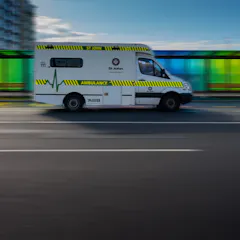
Ambulance staff face a unique and demanding situation when attending unplanned out-of-hospital births. New research shows just how crucial training and support can be.

One in five men experience anxiety at some point in their life. Some don’t seek help until they’re in crisis and call an ambulance for help.
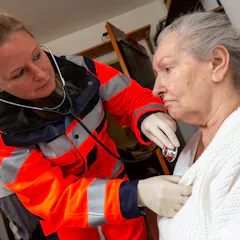
Training paramedics to provide home-based palliative care lets severely ill patients remain at home and takes pressure off emergency departments and the health system.
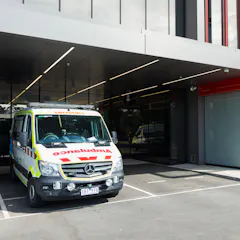
Governments must consider a range of short- and longer-term solutions to this problem.
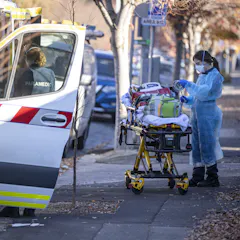
Research on both sides of the globe shows that unmanageable workloads is the main reason why many ambulance service staff are considering quitting the profession.

So far, attempts to fix the emergency services crisis have largely involved short-term solutions without looking at the root causes.
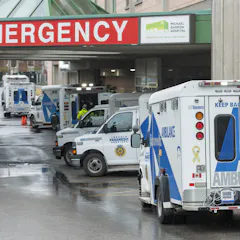
Ambulance response times have not always met targets, but the alarming new pinch point in our health-care system is that there are no ambulances at all available to respond to calls.

With more than half a million notifications of suspected child maltreatment each year in Australia, we need to explore the better use of our health-care workforces to prevent maltreatment.
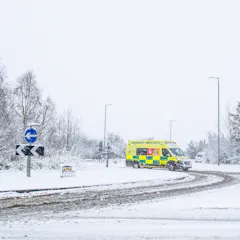
Ambulance services are facing unfair criticism for a situation which is not of their making. The workforce is in crisis, with system-wide pressures seriously hampering their ability to do their jobs.

Collaboration and good working relationships are crucial for community-based ambulance services to work.

Adding more beds won’t fix emergency department pressures. Neither will one-size-fits-all processes. But improving patient flow and addressing staff shortages might.
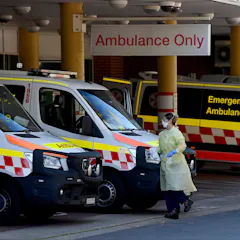
Long lines of ambulances have hit the headlines in recent weeks. But ‘ramping’ isn’t a new problem for patients or paramedics. COVID means we must fix it now.

If your COVID symptoms worsen suddenly, hospital is the best place for you to be monitored, treated and to recover well.
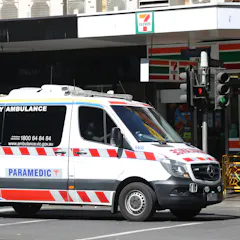
The public deserves an ambulance service that advocates for their staff and their patients, not the needs of politicians who want a simple number to demonstrate their effectiveness.
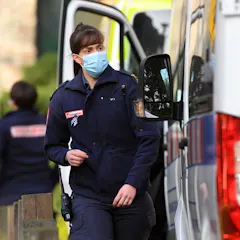
It’s not just because of higher exposure to traumatic events. It’s also toxic workplace culture and harmful management practices.
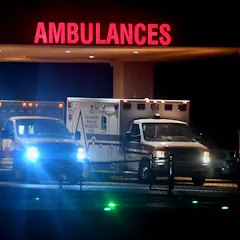
Surprise medical bills have led to financial pain and suffering on top of whatever ailed a patient in the first place. A recent study shows that the practice drives up costs for everyone.
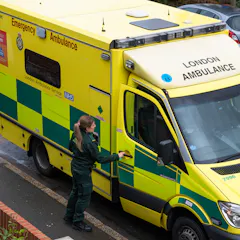
Our study found many ambulance staff felt ill-equipped to respond to these calls.
Top contributors
-

Professor of Leadership and Management, Edge Hill University
-
Senior Research Manager, University of Oxford
-
Associate professor, Charles Sturt University
-
Academic Lead in Paramedic Education and Program Director Paramedicine Programs, Griffith University
-
Adjunct Associate Professor, Monash University
-
Professor of Smart Materials & Structures, University of Bristol
-
Associate Professor of Medicine, The University of Melbourne
-
Associate Director, USC-Brookings Schaeffer Initiative for Health Policy, University of Southern California
-
Associate Professor in Law, Australian National University
-
Senior Lecturer law, ethics and sociology, Charles Sturt University
-
Adjunct Professor at Simon Fraser University, University of Saskatchewan
-
Professor of Smart Materials and Structures, Sheffield Hallam University
-
Research Officer School of Health and Social Care, Swansea University
-
Professor of Health Economics, Flinders University
-
Lecturer in Information Security, Governance and Leadership / Design Thinking, The University of Queensland