
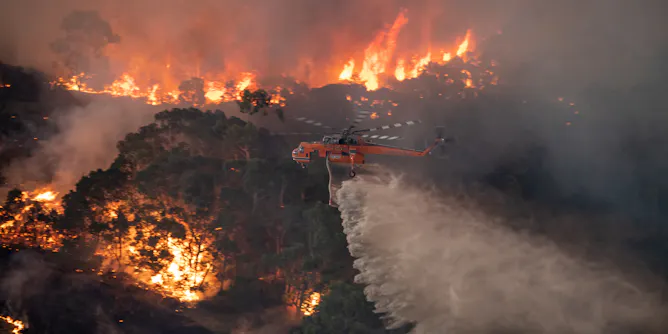
Here’s how Australians and their overseas family and friends can monitor the movement of fire fronts in real time.
Articles on Emergency services
Displaying 21 - 40 of 41 articles
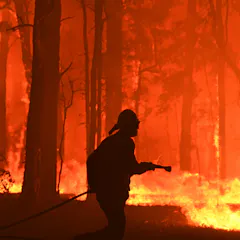
Volunteer numbers are shrinking in rural areas, leaving fewer people to battle bushfires. We need to change our thinking about volunteering to recruit more firefighters and keep the ones we have.
Canadian hospitals are ill-equipped to deal with the inpatient opioid crisis. Lack of specialist addictions care puts patients and staff at risk.
If you’re unsure whether you need an ambulance, it’s OK to call 000 for advice.
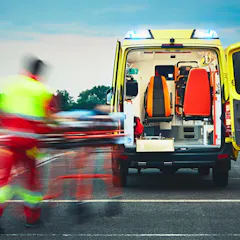
Paramedics face traumatic situations every day. They need policies to ensure support is provided in the immediate aftermath of trauma, and early access to mental health care.
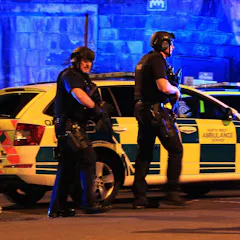
Terrorist attacks are increasingly unpredictable. Manchester provides a key lesson in identifying how the gap between hypothetical plans and the reality of incidents is widening.
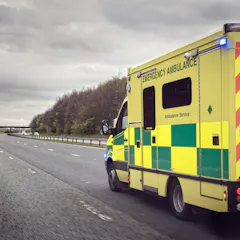
Overstretched ambulance services are increasingly being called out for non-emergencies.

Many cities lack the resources to analyze their own vast troves of administrative data.
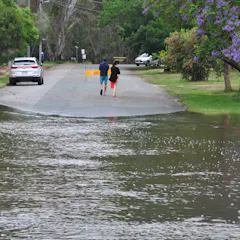
You should never try to drive through floodwater, because you never know what’s beneath the surface. And new research shows some roads are more treacherous than others.
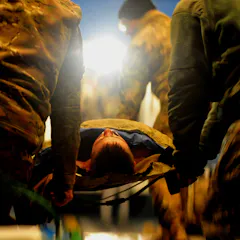
PTSD isn’t just reserved for those on the frontline – my experience alongside a surgical team at Camp Bastion showed how it could affect anyone dealing with the fall out of war.

A multibillion-dollar effort is just beginning to build an all-new nationwide wireless broadband network for emergency responders. How will it work, why do we need it and how will it last 25 years?
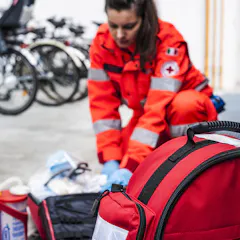
The UK’s blue light services need to adapt and modernise or they will face their own emergency.
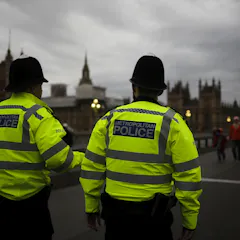
Given the persistent risk of terrorist attacks and large-scale accidents, it’s more critical than ever for EMTs, police, firefighters and others to learn from the past.

A record number of underage drinkers sought urgent medical attention in Western Australia last year, and young women made up the majority.
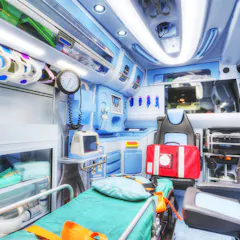
… and supported by a drone.

After-hours home medical services cost the taxpayer dearly and don’t reduce emergency department visits, according to new research.

The new psychoactive drug Spice is taking its toll on frontline policing.
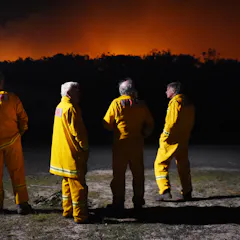
A new training course designed to help volunteers feel like a key part of the team could help to reduce attrition rates among Australia’s estimated 240,000 volunteer emergency service workers.
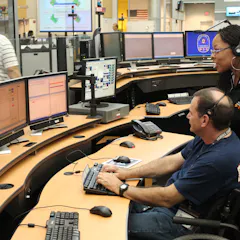
‘Denial of service’ cyberattacks are increasingly used to shut down websites. New research reveals that 911 call centers are vulnerable to the threat as well.

Irrespective of whether climate change contributed to the thunderstorm in Melbourne last week, we can be sure Australia’s climate projections herald new risks to health that cannot be ignored.
Top contributors
-

Associate Professor, Paramedicine and Head of Department, Rural Allied Health, La Trobe University
-
Senior Research Manager, University of Oxford
-
Senior Lecturer in Psychology, University of Liverpool
-
Professor of Leadership and Management, Edge Hill University
-
Head, Discipline of General Practice, University of Tasmania
-
Ph.D. Candidate in Information Systems Engineering, Ben-Gurion University of the Negev
-
General Internal Medicine Physician, Queen's University, Ontario
-
Senior Lecturer in Policing, Liverpool John Moores University
-
Deputy Director and Research Professor at the Social and Decision Analytics Laboratory, Virginia Tech
-
Professor of Electrical, Computer and Biomedical Engineering, University of Hartford
-
Research professor, RMIT University
-
Professor of Statistics and Director for the Social and Decision Analytics Laboratory within the Biocomplexity Institute, Virginia Tech
-
Professor of Information Systems Engineering, Ben-Gurion University of the Negev
-
Professor and Project Leader, National Drug Research Institute, Curtin University
-
Associate Professor, Deputy Director Phoenix Australia Centre for Post-traumatic Mental Health, The University of Melbourne