
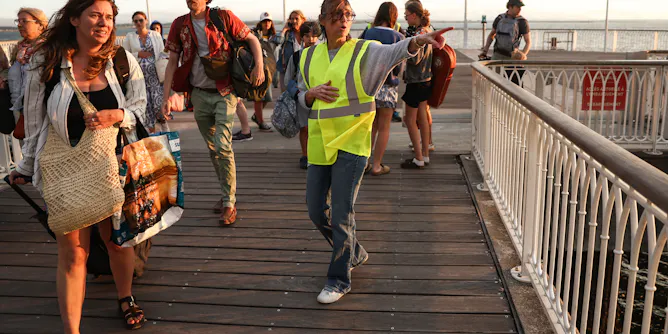
The Gironde wildfires reveal how logistics are key in firefighting. Emergency operations in the French region are twofold: providing relief and evacuating large populations.
Articles on First responders
Displaying 1 - 20 of 24 articles

Drones with the right sensors and AI analyzing the data could quickly find a person lost or stranded in the wilderness, crucial to keeping them alive.
Social workers are often female and often arrive first on the scene, but have little protection.
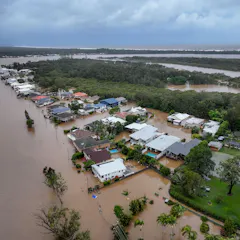
Many volunteer first responders will have loved ones also affected by the Mid North Coast floods in NSW.

Natural disasters prompt a flood of social media posts. AI can help sift the wheat of helpful information from the chaff of chitchat and misinformation.

Increasingly, these types of tranquilizers are turning up in fentanyl, oxycodone and other illegal opioids.

Health systems are made up of people who are often members of the same disaster-stricken communities they serve. They respond to climate-related events, but are affected by them too.
Feelings of sadness or irritability that last a month or more after a life-threatening event could be signs of acute stress or PTSD.
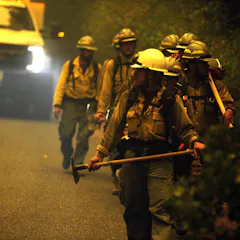
Firefighters work long hours to protect communities, often in dangerous conditions and for low starting pay. Surveys show the impact that can have on their physical and mental health.
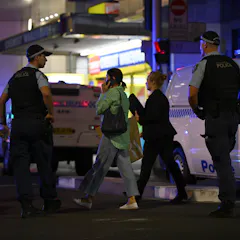
The “zero responders” – bystanders who proactively assist – play a pivotal role in the immediate response to crisis. They can be key players in preventing, reporting and containing a violent incident.
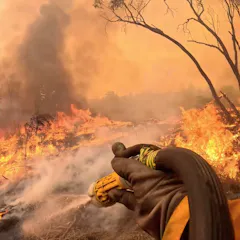
Survey respondents overwhelmingly prioritised saving a human life – even if that person had been repeatedly told to evacuate and even if, as a consequence, a snail or shrub species became extinct.
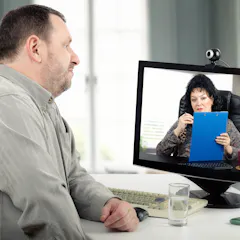
By creating both an urgent need for mental health care and the need to prevent the spread of COVID-19, the pandemic is enabling telemedicine to go mainstream.

Canada’s emergency management system is poorly funded and lacks consistent attention between disasters. This chronic underfunding has undermined public confidence and trust in emergency management.
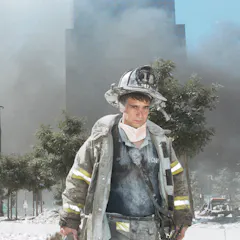
Those directly exposed to toxic dust and trauma on and after 9/11 carry with them a generation of chronic health conditions, which are placing them at higher risk during the pandemic and as they age.
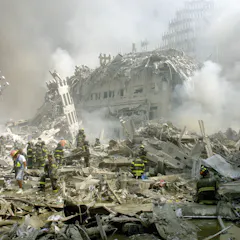
More 9/11 responders died from physical and mental health issues after the terrorist attacks than on the day itself. And survivors are still suffering 20 years later.
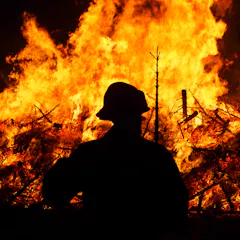
Firefighters are hailed as heroes and pillars of strength, bravery and courage. But the daily stressors and traumas of their jobs take a heavy emotional toll that largely goes unnoticed by the public.

Just like in the days following 9/11, celebrities most successfully use their star power in the COVID-19 crisis when they appear to step out of the limelight, publicly praising first responders.

Emergency service workers already have poorer mental health than the rest of us. In the wake of this bushfire crisis, we need to make the well-being of our first responders a top priority.
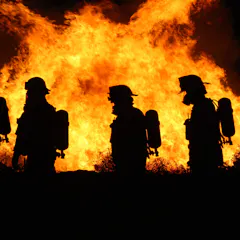
A sociologist spent time as a volunteer firefighter – and learned more about how institutional culture can shape a person’s behavior.
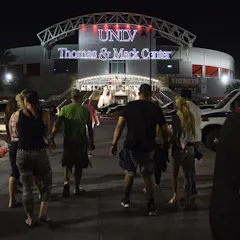
One year after the Oct. 1 shooting massacre in Las Vegas, a team of scholars from the University of Nevada, Las Vegas offers insights into how to best help those affected by the violence.
Top contributors
-

Associate Professor, Paramedicine and Head of Department, Rural Allied Health, La Trobe University
-
Professor of Psychiatry, Wayne State University
-
Associate Professor of Disaster and Emergency Management, York University, Canada
-
Associate Faculty-in-Residence in Psychology, University of Nevada, Las Vegas
-
Senior Lecturer in Social Work, North-West University
-
Professor of Environmental Economics, Charles Darwin University
-
Professor of Conservation and Sustainable Livelihoods, Charles Darwin University
-
Lecturer, Paramedical Science, School of Medical and Health Sciences, Edith Cowan University
-
Professor of Conservation Biology, Charles Darwin University
-
Distinguished University Professor, Department of English and Cultural Studies, McMaster University
-
Associate Professor and Principal Fellow in Urban Risk and Resilience, The University of Melbourne
-
PhD candidate, Edith Cowan University
-
Assistant Professor-in-Residence in Psychology and Assistant Director of Clinical Services and Research at The PRACTICE, University of Nevada, Las Vegas
-
Associate Professor, Applied Disaster and Emergency Studies Department, Brandon University
-
Assistant Professor, Dept. of Counselor Education, School Psychology, and Human Services, University of Nevada, Las Vegas