

It could be the first steps towards a Star Trek-style holodeck.
Articles on Electronics
Displaying 21 - 40 of 92 articles
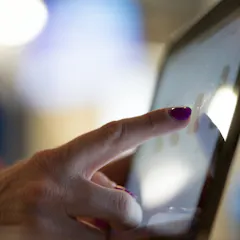
The touch screen in your phone relies on a very scarce element called indium. But now researchers have used plasma technology to do the same job without the risk that the world will run out.
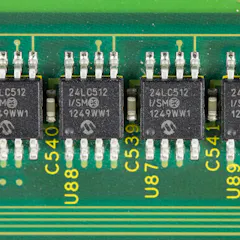
Shutdowns at microchip factories, panic-buying by electronics manufacturers, and legions of workers and home-schoolers needing new devices, have put a global squeeze on the electronics market.

Right now, the nation is almost entirely dependent on other countries for minerals that are used in everything from wind turbines to strike fighters and satellites.
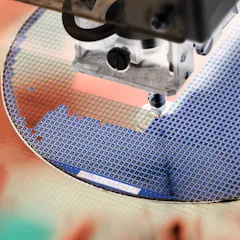
The high cost and long lead times for building computer chip factories makes it difficult for the U.S. to reverse the steady decline of its domestic semiconductor manufacturing capacity.
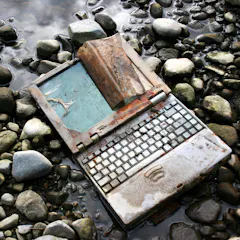
Technical advances are reducing the volume of e-waste generated in the US as lighter, more compact products enter the market. But those goods can be harder to reuse and recycle.
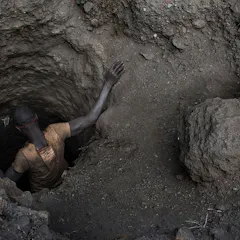
Companies can’t verify that their source didn’t involve artisanal mining. A discussion over responsible sourcing strategies and practices is needed.

Batteries power much of modern life, from electric and hybrid cars to computers, medical devices and cellphones. But unless they’re made easier and cheaper to recycle, a battery waste crisis looms.
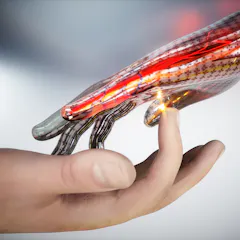
A new silicone ‘skin’ contains electronics that mimic the human body’s lightning-fast response to pain, potentially paving the way for smart prosthetics that can detect painful sensations.
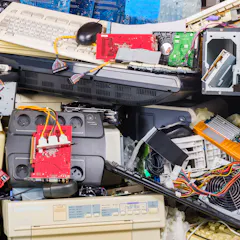
Demand for electric and electronic products is fuelling the meteoric rise in e-waste.
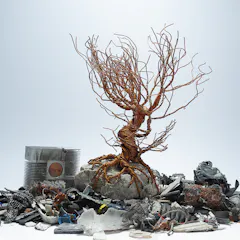
There is an urgent need for greater awareness of the dangerous substances found in the environment.

The most thoughtful gifts can also be the most sustainable, and last long after Christmas has ended.
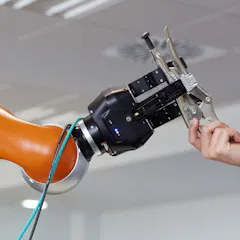
Engineers predict a time when people and robots physically interact all day long. For that to happen safely will require new soft materials that can do things like sense touch and change shape.
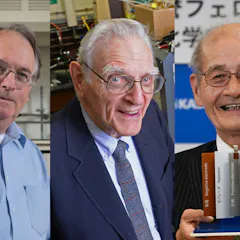
M. Stanley Whittingham, John B. Goodenough and Akira Yoshino made the batteries in our pockets possible.
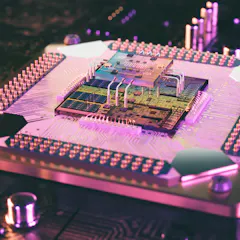
Manufacturing quantum computers would be a lot easier with existing technology than the exotic components currently used to build them.

The typical American’s annual household carbon footprint is over five times the world per capita average.
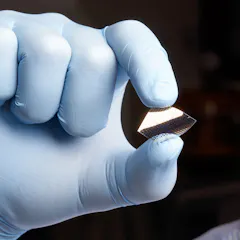
Our brains create new memories, and forget old ones, by forging and breaking connections between nerve cells. Now researchers can do something similar using a light-sensitive electronic chip.
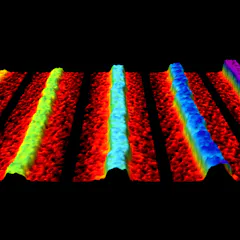
Phosphorene nanoribbons are like tagliatelle, but carry the potential to boost battery capacity by 50%.

When teenagers sleep for less than eight hours a night, they are at increased risk of suicide, being overweight, high rates of injury, poor sustained attention and low school grades.
Technological advances and discoveries are moving at a rate faster than engineering education can keep up with. The solution is a revised approach to teaching engineering.
Top contributors
-

Reader in Theoretical and Computational Condensed Matter Physics, University of Edinburgh
-
Associate Professor of Physics and Electronics, Hunan University
-
Professor of Physics, Clemson University
-
PhD Candidate, Queen's University Belfast
-
Assistant Professor in Nanoscience, University of British Columbia
-
Professor, Department of Computer Science, University of Surrey
-
John M. Thompson Chair in Information Technology and Innovation and Professor, Western University
-
Professor in Nanoelectronics, University of York
-
PhD candidate in Atomic Imaging, University of British Columbia
-
Research Scientist in Computer Science and Engineering, Nanyang Technological University
-
Associate Professor of Electrical and Computer Engineering, Binghamton University, State University of New York
-
Associate Professor of Electrical and Computer Engineering, Tufts University
-
Assistant Professor of Electrical and Computer Engineering, The Ohio State University
-
PhD candidate in Materials Engineering, Monash University
-
Professor/Head of Aviation, CQUniversity Australia