
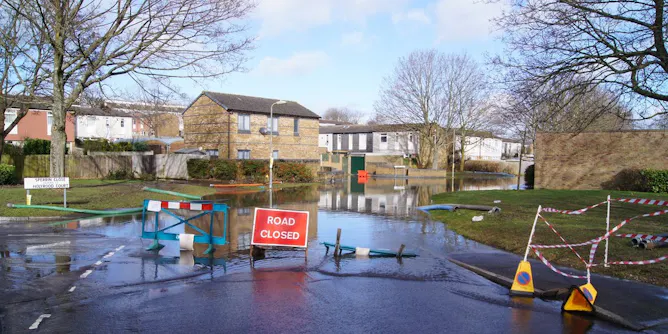
Some flood dangers can be hard to spot initially – to planners, developers and home-buyers. Sometimes, the danger comes from underground.
Articles on Disaster & Resilience series
Displaying 21 - 40 of 51 articles
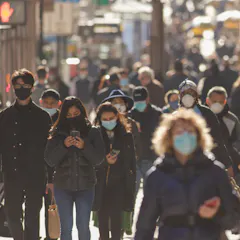
Measuring the equivalent economic cost of ‘lost life years’ due to the pandemic allows us to map the true scale of the crisis.
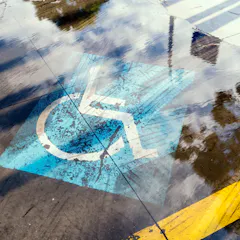
We surveyed people with disability and carers after a major flood in the Northern Rivers area of New South Wales area. Some of the stories were shocking.
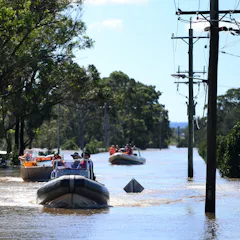
Many flood-affected Sydneysiders live in what amounts to a bathtub. With the next flooding season on their doorstep, they can expect more frequent, devastating floods.
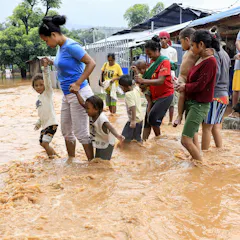
In flood-ravaged Dili, COVID-19 restrictions were abandoned as the disaster unfolded. But it means an already escalating pandemic situation may spiral out of control.
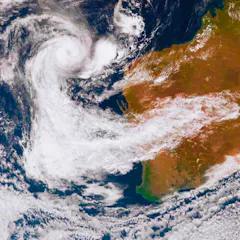
Climate change is likely to mean disasters such as Cyclone Seroja will become more intense, and be seen further south in Australia more often.
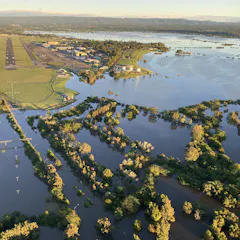
Floodplains are among the most productive ecosystems on the planet – they are biodiversity hotspots. That’s in large part due to periodic flooding between different parts of a river-floodplain system.
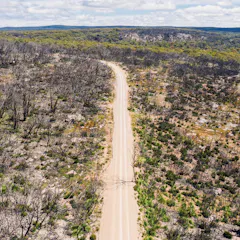
New research shows nature started its long road to recovery in 2020 – especially in NSW and Victoria. But overall conditions across large swathes of the country remain poor.
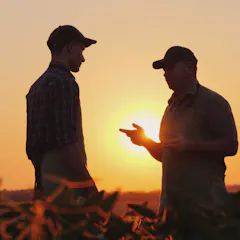
Our report draws on data from more than 1,000 participants who told us of their experiences through community meetings, repeated surveys years after the fires or in-depth interviews.
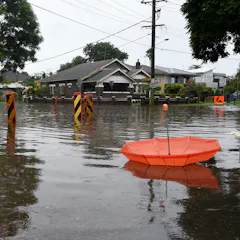
One interviewee in our study described having compiled a database of more than 150 interactions with insurers or their representatives over the two months since they were caught up in a disaster.
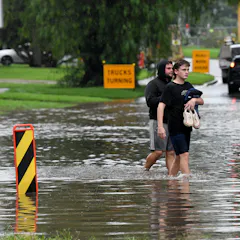
It’s not enough to continue to build cities and towns based on business-as-usual planning principles. We need to plan and design our urban spaces around the idea that flooding is inevitable.
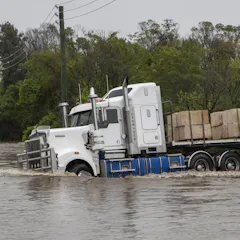
The expert advice is to never drive, walk, or ride through flood waters. Unfortunately, however, this is advice often not heeded. Research on psychology and floods reveals clues as to why.
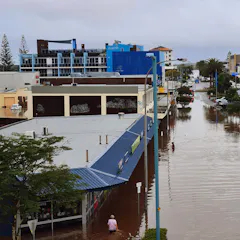
Unless you’ve lived through it, it’s hard to understand how stressful a catastrophic flood can be - both in the moment and long after the event. That’s especially true for vulnerable populations.
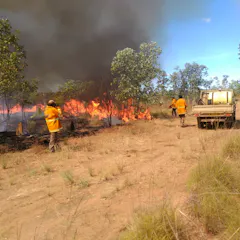
By collaborating with Indigenous ranger groups, we can make strategic fire and land management practices economically sustainable for traditional landowners.
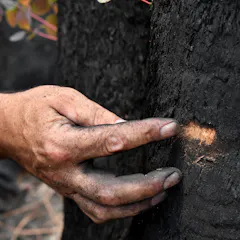
Bushfire Recovery Victoria has a focus on Aboriginal culture and healing – a long overdue approach in disaster recovery.

In Australia and around the world, failures in flood warnings can have devastating effects. But ‘humanitarian engineering’ may have the answer.

The unprecedented intensity of two summers of bushfires, first in the east and then in the west, offered harsh lessons for Australians. One is that some settlements must retreat from high-risk areas.
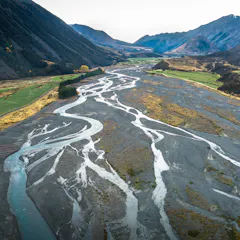
Given climate change predictions of more extreme floods in New Zealand, it’s time to change management practices to work with a river, allowing it room to move and its channels to adjust.
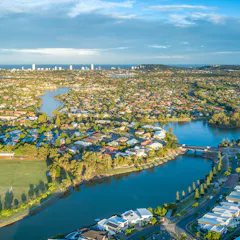
Infrastructure is often seen as the main way to reduce the impacts of climate-related disasters like floods and drought. But cities are complex systems with many factors affecting their resilience.
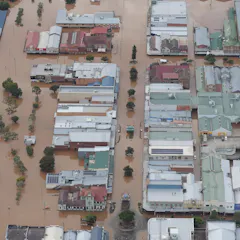
When disaster strikes, not everyone is affected the same way. Research shows the experiences of sexually and gender diverse people are frequently very different to those of heterosexual people.
Top contributors
-

Associate Professor, University of Sydney
-
Honorary Professor of Hazards and Disaster Risk Sciences, University of Sydney
-
Lecturer, RMIT University
-
Garry Stevens is a Friend of The Conversation.
Program Director in Humanitarian and Development Studies, Western Sydney University
-
Senior Ecological Economist, Charles Darwin University
-
Academic Director Living Lab Northern Rivers, University of Technology Sydney
-
Associate Professor of Human Geography, University of Tasmania
-
Research Fellow in Disaster Resilience, Monash University
-
Lecturer and Research Fellow, School of Geography, Planning, and Spatial Sciences. Coordinator, Education for Sustainability Tasmania, University of Tasmania
-
Professor of Health Economics, Monash University
-
Professor of Globalisation and Development; Director of the Oxford Martin Programmes on Technological and Economic Change, The Future of Work and the Future of Development, University of Oxford
-
Research Fellow, Australian National University
-
Research Associate, Sydney Policy Lab, University of Sydney
-
Doctoral student in economics, Te Herenga Waka — Victoria University of Wellington
-
Associate Professor, International Research Institute of Disaster Science, Tohoku University