

Being forced back into the routine of work after a summer break can be unsettling. But there are strategies to getting over it.
Articles on Depression
Displaying 81 - 100 of 859 articles
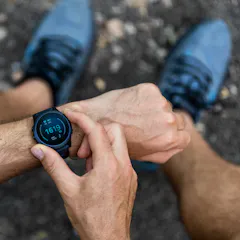
Our study found that tracking your exercise boosts mental wellbeing.

Leigh’s film examines the underlying anger and cynicism of the central character’s depression, but it may leave the viewer without resolution.

We lose the majority of the daylight available when we’re inside and a few metres away from a window.

Breathwork is an ancient practice to calm the mind and improve physical health.

Hypnosis is safe and can work as both a stand-alone or a complementary treatment with other therapies.

Mental health needs for pregnant women and mothers with newborn babies are being recognised at last in South Africa.

Adolescents with HIV are at risk of mental health issues. Here are some recommendations to help reduce that risk.

In a new study, we interviewed and shadowed 14 doctors in a public hospital to understand the pressures they are under.

Among the common but lesser-known consequences of intimate partner violence is a heightened risk for cardiovascular disease.

Even we were surprised at the levels of mental ill-health years after being released into the community.

Transcranial direct current stimulation delivers a weak electrical current to the brain to improve depression symptoms.

Teachers who took the course reported less depression and better sleep − and needed fewer sick days.

Depression can severely hinder the ability of refugees to rebuild their lives and integrate into host communities.

A person’s style of making decisions can have an impact on their mental health.

Psilocybin studies to treat mental health disorders have tended to only look at short-term results.

Many people report eating as a way of helping them to cope when experiencing difficult emotions. Here’s what you can do about it.

There is an epidemic of isolation gripping the United States, health experts say, with the resulting loneliness disproportionately impacting men and leading to concrete health issues.

The first wind phone appeared in Japan in 2010, and the concept has since spread around the world.

Long before the pandemic, health care workers were experiencing high levels of stress, burnout and compassion fatigue, all of which contribute to reduced quality of care for patients.
Top contributors
-

Professor of Psychiatry, Monash University
-
Professor of Psychiatry, Wayne State University
-
Professor and Personal Chair, Swansea University
-
Professor of Clinical Neuropsychology, University of Cambridge
-
Scientia Professor of Psychiatry, UNSW
-
Professor of Psychology, The University of Melbourne
-
Professor of Psychology, San Diego State University
-
Head of the Department of Psychiatry, The University of Melbourne
-
Director School of Medicine and Psychology, Australian National University
-
Professor of Health Sciences, Simon Fraser University
-
Visiting Clinical Research Fellow in Psychiatry, UCL
-
Professor of Critical and Social Psychiatry, UCL
-
Associate Professor, Centre for Positive Health Sciences, RCSI University of Medicine and Health Sciences
-
Postdoctoral Research Associate, Cognitive Neuroscience, University of Cambridge
-
Clinical Psychologist and Professor in the Department of Psychology and Neuroscience, Dalhousie University