

Guidelines on mental health during pregnancy and after birth emphasise antidepressants should be prescribed if they’re needed.
Articles on Depression
Displaying 141 - 160 of 859 articles

People who hold higher levels of hope will be less likely to experience symptoms of depression. Shared hopes are also important for expectations of national and international futures.

Research suggests AI could diagnose depression from health records or even social media posts. And it could overcome GP bias when it comes to prescribing medications.

Can a trip to a museum help cure mental dullness? Here’s what the science has to say.
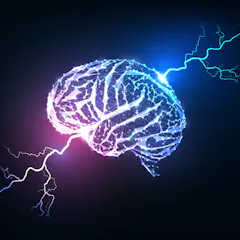
Electroconvulsive therapy often evokes inaccurate images of seizing bodies and smoking ears. Better understanding of how it reduces depression symptoms can illuminate new ways to treat mental illness.
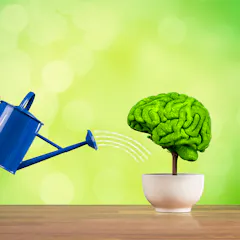
Lifestyle-related dementia risks are complex, with factors like sleep, exercise, diet and social contact interacting with things like cognitive reserve, neuroplasticity and inflammation in the body.

Our global review of research into the link between financial crises and mental health highlights three key challenges: stigma, stress and social roles

SAD is a debilitating condition affecting many people, but there is light at the end of the tunnel.
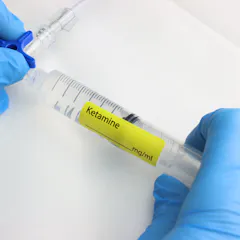
The analysis shows that ketamine may start relieving symptoms of PTSD within one day, but it is still unclear how long the effects last and how many injections are needed to maintain benefits.

Group therapy can be at least as effective as individual therapy. It improves mental health by giving people a stronger sense of belonging – without medicines, hospitals or expensive professionals.
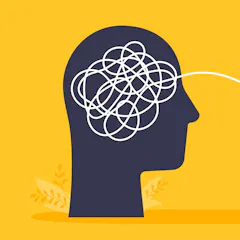
Insomnia and mental disorders are inter-related in a way we’ve yet to fully understand. But treating one can often help the other.

Half a million new mothers in the US suffer from postpartum depression every year, yet a lack of awareness and stigma toward the condition keep many from getting the help they need.

A recent study from Sweden found people with a history of chronic stress or depression had a heightened risk of developing Alzheimer’s disease.

Cancer screening and other routine primary care can help address inequities if we choose to leave the unfair status quo behind.

With our faces seemingly everywhere − from Zoom meetings to selfies − more people are developing anxieties about how they appear online.

Teen depression is on the rise but effective help is available. We look at what parents can do to support their teen.

Tyson Fury has a history of mental ill health, something which is reflected in his series, At Home With The Furys on Netflix.

Stigmatised people living with HIV often suffer from fear, depression and abuse. It’s sometimes easier to stop a treatment regime than risk being ostracised or assaulted by the community.
Deep brain stimulation can help some people with treatment-resistant depression feel better, but it can be unclear whether a bout of low mood is a relapse or a bad day.

Whether experienced directly or indirectly, racial incidents can trigger numerous psychological impacts on Black people, including lower self-esteem and anxiety.
Top contributors
-

Professor of Psychiatry, Monash University
-
Professor of Psychiatry, Wayne State University
-
Professor and Personal Chair, Swansea University
-
Professor of Clinical Neuropsychology, University of Cambridge
-
Scientia Professor of Psychiatry, UNSW
-
Professor of Psychology, The University of Melbourne
-
Professor of Psychology, San Diego State University
-
Head of the Department of Psychiatry, The University of Melbourne
-
Director School of Medicine and Psychology, Australian National University
-
Professor of Health Sciences, Simon Fraser University
-
Visiting Clinical Research Fellow in Psychiatry, UCL
-
Professor of Critical and Social Psychiatry, UCL
-
Associate Professor, Centre for Positive Health Sciences, RCSI University of Medicine and Health Sciences
-
Postdoctoral Research Associate, Cognitive Neuroscience, University of Cambridge
-
Clinical Psychologist and Professor in the Department of Psychology and Neuroscience, Dalhousie University