

The idea is to catch mental health problems early, before they get worse. Here’s how it works – and the outcomes of those who’ve tried similar programs.
Articles on Depression
Displaying 21 - 40 of 859 articles
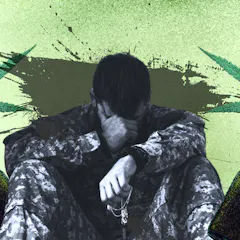
Many Australians are taking medicinal cannabis for their anxiety, depression and post-traumatic stress disorder. But does it actually work?
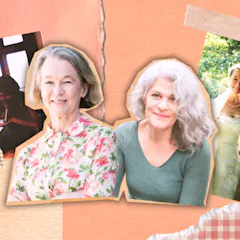
Debra Adelaide’s new book, When I Am Sixty-Four, is a complex, devastating and often funny love letter to her friend, the late Gabrielle Carey.
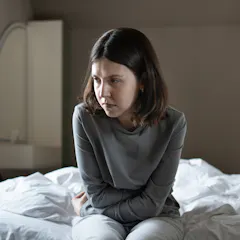
Depression affects an estimated 40% of adults with chronic pain.

Increasing numbers of Australians are using medicinal cannabis for anxiety, depression, insomnia, substance disorders and more. Is it safe? And does it work?

For many adults, anxiety may be the only visible symptom. When it fades, underlying ADHD, which may have been masked for years, finally becomes clear.

Exercise can be a powerful tool to improve symptoms of anxiety and depression. The amino acid tryptophan may be part of the reason why.

A nurse scientist interviewed 29 formerly incarcerated Black men in Philadelphia to understand how they address their mental health needs.
No time for therapy? A new study shows you can learn key skills to challenge depression in 10 minutes.
All five African countries surveyed – Nigeria, Egypt, Kenya, South Africa and Tanzania – were ranked in the top six most forgiving nations.

The idea that depression is caused by a chemical imbalance in the brain is more than half a century old. The reality is more complex.

Certain kinds of exercise were more effective at reducing symptoms. And some people benefited more.
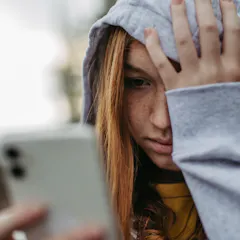
Tik Tok, Instagram, Youtube… Social Media is driving offline disorders among teenagers, suggests a large-scale report by French Agency for Food, Environmental and Occupational Health & Safety (Anses).

Because we can’t make enough omega-3s on our own, we need to get them from food or, sometimes, supplements.

Like many of us, Orwell saw January as a month to be endured rather than enjoyed.

Using evidence-based strategies that focus on mindset, light exposure, activity, rest and social connection can help people beat winter-related low mood.

It can be exhausting for autistic people to live in a world designed for neurotypical people.

Post-Christmas sadness has biological and psychological roots. Understanding them can help protect your wellbeing.

Young people are embracing the ‘healthization’ of all aspects of their lives, from the physical to the emotional and beyond. The trick is finding the right balance.

Unwinding can be hard during the holidays for many reasons. Building in time to recharge through active leisure can help.
Top contributors
-

Professor of Psychiatry, Monash University
-
Professor of Psychiatry, Wayne State University
-
Professor and Personal Chair, Swansea University
-
Professor of Clinical Neuropsychology, University of Cambridge
-
Scientia Professor of Psychiatry, UNSW
-
Professor of Psychology, The University of Melbourne
-
Professor of Psychology, San Diego State University
-
Head of the Department of Psychiatry, The University of Melbourne
-
Director School of Medicine and Psychology, Australian National University
-
Professor of Health Sciences, Simon Fraser University
-
Visiting Clinical Research Fellow in Psychiatry, UCL
-
Professor of Critical and Social Psychiatry, UCL
-
Associate Professor, Centre for Positive Health Sciences, RCSI University of Medicine and Health Sciences
-
Postdoctoral Research Associate, Cognitive Neuroscience, University of Cambridge
-
Clinical Psychologist and Professor in the Department of Psychology and Neuroscience, Dalhousie University