

‘Hervs’ date back hundreds of thousands of years – and play an important role in regulating genes.
Articles on Depression
Displaying 121 - 140 of 859 articles
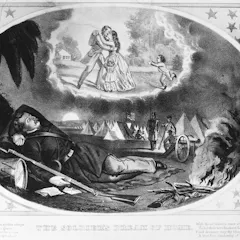
People experiencing symptoms such as lethargy, depression and disturbed sleep were once diagnosed with “nostalgia”.
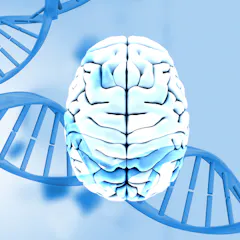
Our study turns a common way of thinking about depression on its head, which may influence how people are treated.

Substantial economic growth in the psychedelic drugs market has drawn interest from corporations and start-ups. While this may accelerate research, it also sparks concerns about conflicts of interest.

Parents increasingly organise entertainment for their children rather than letting them come up with it themselves.
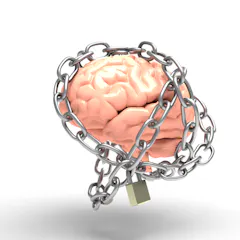
Corruption imposes mental health costs on individuals.

For some, emptiness is a chronic, life-limiting issue. But how can we quantify such a complex feeling?

What exactly is ketamine and what is its role in the treatment of depression?

A new review looks at whether psychological therapies, such as cognitive behavioural therapy, are an effective way to treat older people in aged care with symptoms of depression.

Our new study shows you may be able to walk, run, lift or dance away depression. And the more intense your exercise program, the better.

Australia has among the highest antidepressant prescribing rates in the world.

A Finnish study found antidepressant use increased among men and women in the four years leading to the relationship ending – but there was a larger increase among women.

Employers have a duty to address work stressors and make adjustments for workers with long-term illnesses.
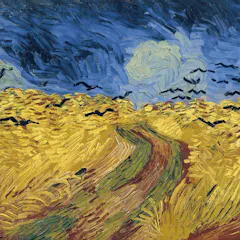
Despite his mental anguish, Van Gogh produced some of his greatest paintings in the last few months of his life.

Research suggests we should embrace feeling down when ill.

I want to help people without prior knowledge of art history write about issues that affect them – through the prism of an artwork.

Mindfulness, being in the present moment, is often achieved through meditation, the practice of sitting still and focusing on the breath. Both help relieve feelings of anxiety and depression
Montréal is home to one of the world’s largest brain banks, the Douglas-Bell Canada Brain Bank, where discoveries about different neurological and psychiatric diseases are made.

A trauma-informed therapist discusses how grief affects the brain and highlights the role of a sixth stage of grief – finding meaning – in the healing process.

Perry was being legally prescribed infusions of ketamine.
Top contributors
-

Professor of Psychiatry, Monash University
-
Professor of Psychiatry, Wayne State University
-
Professor and Personal Chair, Swansea University
-
Professor of Clinical Neuropsychology, University of Cambridge
-
Scientia Professor of Psychiatry, UNSW
-
Professor of Psychology, The University of Melbourne
-
Professor of Psychology, San Diego State University
-
Head of the Department of Psychiatry, The University of Melbourne
-
Director School of Medicine and Psychology, Australian National University
-
Professor of Health Sciences, Simon Fraser University
-
Visiting Clinical Research Fellow in Psychiatry, UCL
-
Professor of Critical and Social Psychiatry, UCL
-
Associate Professor, Centre for Positive Health Sciences, RCSI University of Medicine and Health Sciences
-
Postdoctoral Research Associate, Cognitive Neuroscience, University of Cambridge
-
Clinical Psychologist and Professor in the Department of Psychology and Neuroscience, Dalhousie University