

Readers with depression initially wanted the ‘instant gratification of being fixed’ from self-help books. That didn’t happen, but they did benefit from the right books at the right times.
Articles on Depression
Displaying 161 - 180 of 859 articles

Amid the fanfare about a new medication for postpartum depression, it’s important to remember that PPD is underdiagnosed and undertreated, and that safe and effective treatments already exist.

New motherhood is often portrayed as a time of joy but it can also be filled with fears and complicated feelings. Here’s how you can get help and support.
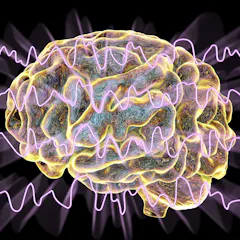
What do we know so far about this promising form of treatment and how it might help people with a range of neurological conditions? And is it living up to its promise for people with depression?
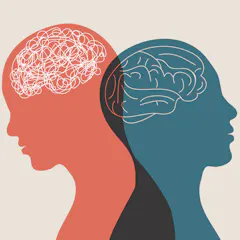
Combining psychotherapy with medication can lead to more immediate and enduring results by boosting the brain’s neuroplasticity.

Discrimination, isolation and stigma related to sexual orientation or gender identity likely contribute to the higher rates of depression and lower quality of life of LGBTQ+ caregivers.

More than half our interviewees described feelings of profound anguish as long COVID forced them to doubt their identity and question their life purpose

An increase in anti-Asian hate incidents during the pandemic contributed to a rise in depression among Asian and Asian American college students, a study found.

‘Anhedonia’ affects up to 75% of people with depression.

The COVID-19 pandemic may have played a considerable role in the uptick of adults being treated for ADHD. But more data is needed to determine whether the trends will continue.

The 988 Suicide & Crisis Lifeline is for anyone experiencing suicidal thoughts, emotional distress, substance abuse issues or mental health problems.

The six books on this year’s Miles Franklin shortlist vary in style, themes and the writers’ experience, with veteran novelists and debuts – including an international prize-winner and a 26-year-old.

This latest research provides hope for people whose symptoms are harder to treat.

In addition to placebo effects, patients might be motivated to report they have gotten better, even when they haven’t.
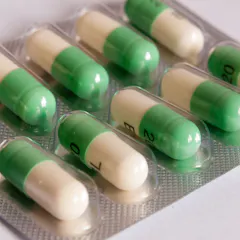
The longer you taken an antidepressant, the more likely you are to experience withdrawal effects.

Cognitive immobility, brought on by being separated from family, can lead to emotional exhaustion, anxiety, depression and post-traumatic stress disorder.
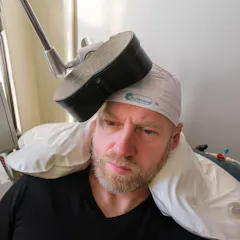
Transcranial magnetic stimulation is a safe, well-tolerated way to treat depression.

Postnatal depression is thought to affect up to 10% of fathers.

Areas of Danish towns and cities with fewer people and more cars come with a higher risk of depression.

There is often a long delay between the onset of bipolar symptoms and correct diagnosis and treatment which puts vulnerable young people at risk of suicide.
Top contributors
-

Professor of Psychiatry, Monash University
-
Professor of Psychiatry, Wayne State University
-
Professor and Personal Chair, Swansea University
-
Professor of Clinical Neuropsychology, University of Cambridge
-
Scientia Professor of Psychiatry, UNSW
-
Professor of Psychology, The University of Melbourne
-
Professor of Psychology, San Diego State University
-
Head of the Department of Psychiatry, The University of Melbourne
-
Director School of Medicine and Psychology, Australian National University
-
Professor of Health Sciences, Simon Fraser University
-
Visiting Clinical Research Fellow in Psychiatry, UCL
-
Professor of Critical and Social Psychiatry, UCL
-
Associate Professor, Centre for Positive Health Sciences, RCSI University of Medicine and Health Sciences
-
Postdoctoral Research Associate, Cognitive Neuroscience, University of Cambridge
-
Clinical Psychologist and Professor in the Department of Psychology and Neuroscience, Dalhousie University