

Although Medicare has agreed to pay for Aduhelm, its coverage comes with restrictions.
Articles on Dementia
Displaying 281 - 300 of 565 articles

When aged care residents are involved with mealtime jobs such as sorting cutlery and laying the table, they are treated like people not task lists.

Across Canada and the United States, more than two million people are living with aphasia and its language and communication challenges.

New research reveals how socioeconomic status influences our memory abilities and risk of dementia.

A clearer understanding of the true treatment costs of dementia for American Indian and Alaska Native adults could help health services better meet the needs of the populations they serve.

While longer naps are a normal part of aging, excessively long dozes could be a warning signal for cognitive decline.
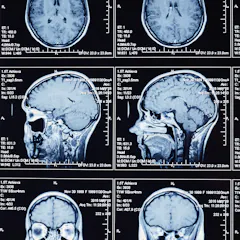
Brain changes including shrinkage, weakened connections and poorer performance on thinking and memory tests could explain ‘brain fog’ after COVID – even after ‘mild’ cases.

Picture how you’d like to be cared for as an older Australian who needs help. Now compare that to the reality for today’s aged care residents and carers.

Sometimes Granny can be a bit too honest. This is a normal part of ageing.
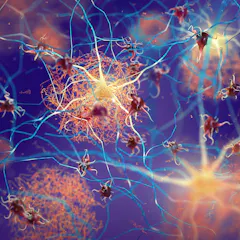
If replicated in humans, these findings could mean that targeting or boosting the circadian rhythm in Alzheimer’s patients, could help with managing the disease

During the pandemic, carers reported their loved ones with dementia became more disoriented, restless and withdrawn. And carers themselves experienced poorer mental health.

People living with dementia in the South Asian community often face challenges accessing care because of a lack of culturally appropriate services, language barriers or perceived stigma about dementia

Heart health is strongly linked to brain health and risk of dementia. That means improving one can protect us from the other.

Coronavirus has disproportionately impacted the most vulnerable seniors. We need socially innovative solutions to redesign long-term care and help seniors age safely and with dignity.

Research shows that violence between patients is prevalent, often overlooked and largely unaddressed.

In tough conversations, show your respect for loved ones’ autonomy and dignity.

The symptoms of menopause, which can include sleep disturbance, depression, anxiety and ‘brain fog’ can span perimenopause and last for up to ten years.
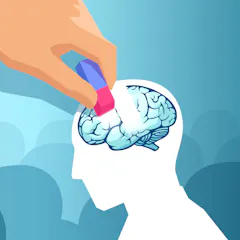
Genetics and other health conditions were both linked to greater risk of developing mild cognitive impairment.

For First Nations peoples living with Dementia, loss of speech can bring loss of connection to family and culture. A new initiative has found a culturally friendly way to assist with communication.
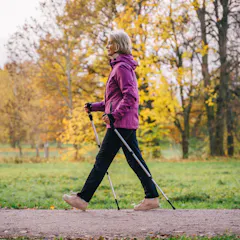
People who were more active had lower levels of inflammation in their brain.
Top contributors
-

Professor of Biological Psychology, Loughborough University
-
PhD Candidate, Neuroscience, University of Sheffield
-
Head of Clinical Services, Dementia Support Australia, & Associate Professor of Psychiatry, Monash University
-
Research Fellow in Neuroimmunology, UCL
-
Associate Professor, Turner Institute for Brain and Mental Health, Monash University
-
Professor of Chemistry and Senior Scientist of the Krembil Research Institute, University Health Network, University of Toronto
-
Associate Professor | Deputy Director, The MARCS Institute for Brain, Behaviour and Development, Western Sydney University
-
Lecturer, School of Psychology, UNSW ; Neuroscience Research Australia
-
Senior Research Fellow in the Institute of Population Health & NIHR ARC North West Coast Social Care Theme Lead, University of Liverpool
-
Associate professor, University of Sydney
-
Host, The Conversation Weekly Podcast, The Conversation
-
Professor in Ageing and Health, University of Sydney
-
Affiliate Professor, Department of Family Medicine, McGill University
-
Professor Emeritus of Molecular Neurobiology at the University of Manchester and a Visiting Professorial Fellow, University of Oxford
-
Associate Professor in Cellular Neuroscience, University of Reading