

Pollution from more frequent floods and wildfires – exacerbated by the warming climate – is threatening human health and poses particular risks to the brain.
Articles on Dementia
Displaying 301 - 320 of 565 articles
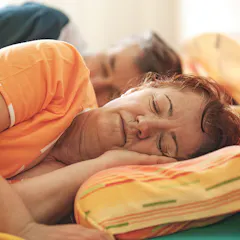
The researchers found that people who slept less than 4.5 hours and more than 6.5 hours every night had a greater risk of cognitive decline.

We found the more headers former professional footballers made over their careers, the lower they tended to score on a memory test.
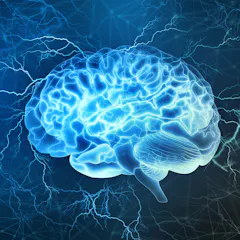
Our research suggests the multiplication of protein aggregates in individual regions of the brain, rather than their spread between regions, is key to the progression of Alzheimer’s disease.

Research shows how heat can have negative effects on emotional states, mental health conditions and aggressive behaviours.

Keeping mentally, physically and socially active helps people with dementia maintain their brain and thinking. But in lockdown, when people with dementia did less, this can lead to a decline.
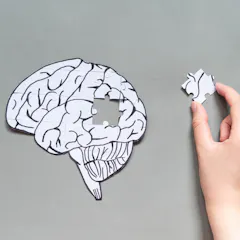
PET scans using a special tracer can pick up ‘tau tangles’ in the brain.
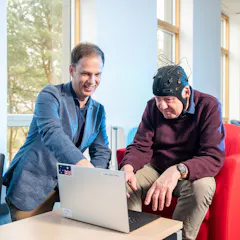
New diagnostic tool for dementia could improve early detection.
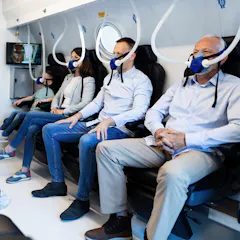
Hyperbaric oxygen therapy helped to reduce plaques in the brains of mice with Alzheimer’s disease.

More 9/11 responders died from physical and mental health issues after the terrorist attacks than on the day itself. And survivors are still suffering 20 years later.

The Attica uprising marked a milestone in the prisoners’ rights movement. Many of the grievances aired in 1971 are still relevant to today’s incarcerated population.

Poor hearing was associated with almost double the risk of dementia.

It seems as though every other week there’s a study telling us coffee is good for us, or it’s bad for us. Here’s what to make of this new piece of research.

Clinical trials of the drug have shown mixed results.

In the absence of guidelines or training regarding sexual expression in long-term care homes, most staff are ‘just winging it’ on potentially sensitive issues.
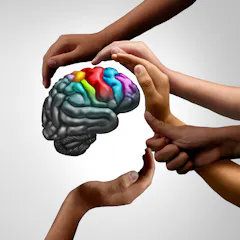
‘Dementia friendly’ communities seek to support people with memory loss, recognize them as equals, celebrate their contributions and enable them to live with purpose in welcoming communities.

A neuroscientist and a clinician watched two new films about dementia. They recognised what they saw.

In our new study, we’ve found the majority of news stories are failing to cover potential downsides of early detection tests. This could be perpetuating the problem of overdiagnosis.

If so, it’s just one lifestyle risk among many others.
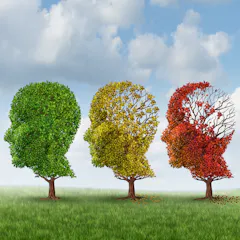
It was first officially described 115 years ago, but we still do not have a cure for Alzheimer’s disease. The human brain is extremely complex, and Alzheimer’s is its most complex disease.
Top contributors
-

Professor of Biological Psychology, Loughborough University
-
PhD Candidate, Neuroscience, University of Sheffield
-
Head of Clinical Services, Dementia Support Australia, & Associate Professor of Psychiatry, Monash University
-
Research Fellow in Neuroimmunology, UCL
-
Associate Professor, Turner Institute for Brain and Mental Health, Monash University
-
Professor of Chemistry and Senior Scientist of the Krembil Research Institute, University Health Network, University of Toronto
-
Associate Professor | Deputy Director, The MARCS Institute for Brain, Behaviour and Development, Western Sydney University
-
Lecturer, School of Psychology, UNSW ; Neuroscience Research Australia
-
Senior Research Fellow in the Institute of Population Health & NIHR ARC North West Coast Social Care Theme Lead, University of Liverpool
-
Associate professor, University of Sydney
-
Host, The Conversation Weekly Podcast, The Conversation
-
Professor in Ageing and Health, University of Sydney
-
Affiliate Professor, Department of Family Medicine, McGill University
-
Professor Emeritus of Molecular Neurobiology at the University of Manchester and a Visiting Professorial Fellow, University of Oxford
-
Associate Professor in Cellular Neuroscience, University of Reading